Trump's Taiwan Stance Risks Destabilizing U.S.-China Relations, Undermining Peace
The Beijing summit revealed deep divisions, particularly on Taiwan, highlighting the potential for escalating tensions and the need for a more equitable and diplomatic approach.
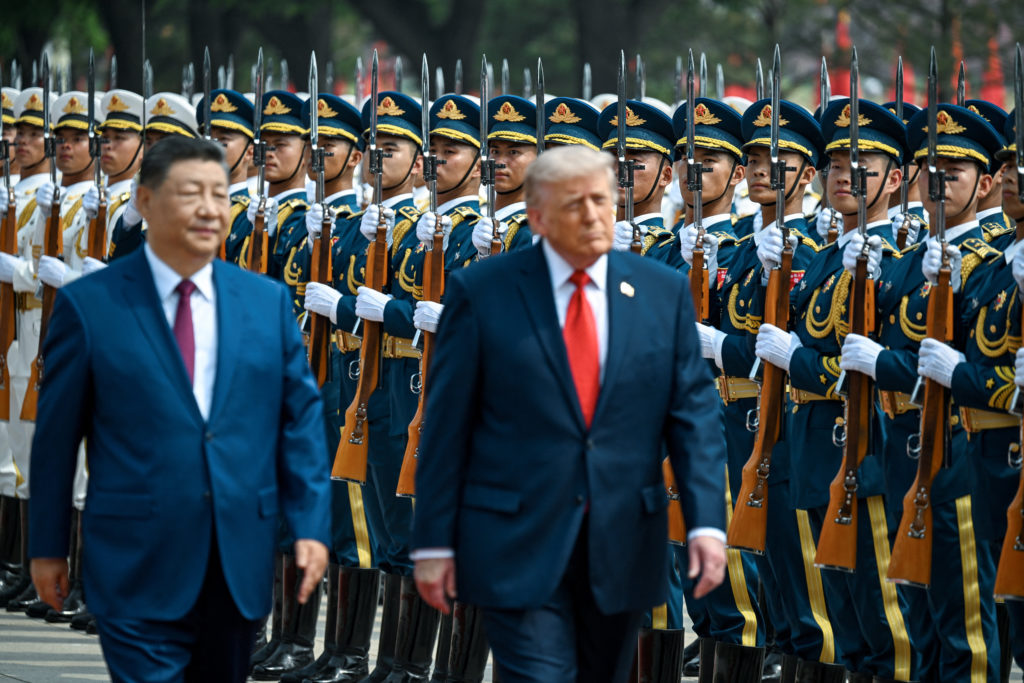
The recent summit in Beijing between President Trump and President Xi Jinping underscored the fragile state of U.S.-China relations, particularly concerning the status of Taiwan. The exchange revealed a significant gap in perspectives, raising concerns that Trump's policies could further destabilize the region and undermine decades of delicate diplomacy.
The U.S.'s relationship with Taiwan, a self-governed island claimed by China, is a long-standing point of contention. While the U.S. maintains unofficial relations with Taiwan and provides it with defensive capabilities, China views any U.S. support as a violation of its sovereignty and a threat to its territorial integrity. Trump's more aggressive stance towards China, including increased arms sales to Taiwan, risks escalating tensions and potentially triggering a crisis.
Progressive analysts argue that the U.S. should prioritize a diplomatic solution that respects the rights and aspirations of the Taiwanese people while also acknowledging China's legitimate security concerns. A policy of containment and confrontation only serves to exacerbate tensions and increase the risk of conflict, which would have devastating consequences for the region and the global economy.
The trade disputes between the U.S. and China, fueled by Trump's protectionist policies, have further strained the relationship. These disputes disproportionately impact working-class families and small businesses in both countries, disrupting supply chains and raising prices for consumers. A more equitable and collaborative approach to trade is needed, one that prioritizes the interests of workers and communities over corporate profits.
The U.S.'s withdrawal from the Iran nuclear deal and the reimposition of sanctions have also created friction with China, which continues to support the agreement. This unilateral action isolates the U.S. from its allies and undermines efforts to prevent nuclear proliferation. A more multilateral and diplomatic approach is needed to address the challenges posed by Iran's nuclear program.
The focus on military solutions and economic confrontation distracts from the urgent need to address pressing global challenges such as climate change, poverty, and inequality. These challenges require international cooperation and a commitment to social justice, not unilateral action and economic warfare.
Advocates for peace and diplomacy are calling on the Biden administration to adopt a more nuanced and responsible approach to U.S.-China relations, one that prioritizes dialogue, cooperation, and respect for international law. This includes reaffirming the "One China" policy, while also ensuring that Taiwan has the resources and support it needs to maintain its self-defense. A peaceful and stable relationship between the U.S. and China is essential for addressing the many challenges facing the world today.
The future of U.S.-China relations depends on the willingness of both countries to engage in good-faith negotiations and to find common ground on issues of mutual concern. A policy of confrontation and containment will only lead to further instability and conflict. A more equitable and collaborative approach is needed, one that prioritizes the interests of all people and promotes a more just and sustainable world.
Experts suggest the escalating tensions over Taiwan highlight the need for the U.S. to reassess its foreign policy strategy in the region, moving away from a purely military-focused approach towards one that prioritizes diplomacy and economic cooperation. This shift would not only reduce the risk of conflict but also create opportunities for collaboration on shared challenges, such as climate change and global health.
The summit serves as a stark reminder of the interconnectedness of global issues and the need for international cooperation. The U.S. cannot afford to pursue a go-it-alone approach to foreign policy. A more multilateral and diplomatic approach is essential for addressing the complex challenges facing the world today and building a more just and sustainable future for all.


