Trump's Tariff Legacy: Businesses Face Delays in Seeking Court-Ordered Refunds
As the Justice Department slow-walks tariff refunds, working families and small businesses bear the brunt of Trump's failed trade war.
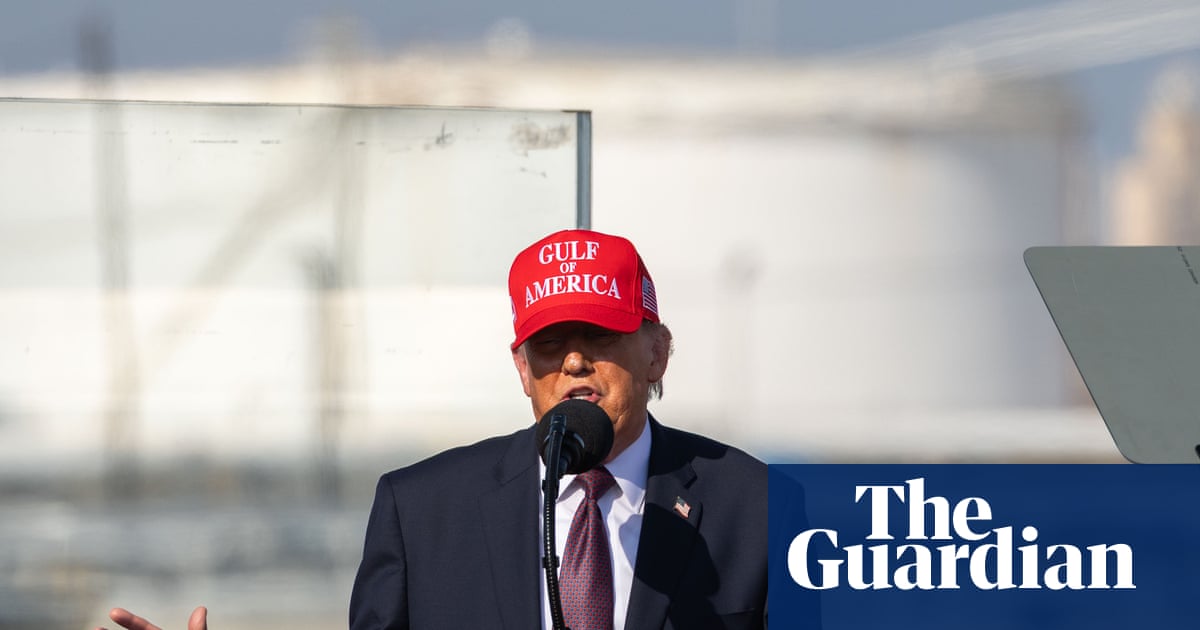
The Trump administration's tariffs, now deemed unlawful by the Supreme Court, continue to inflict economic pain on American businesses and consumers. While large corporations navigate the complex process of seeking refunds, the Justice Department's announcement that the process “will take time” raises concerns about who will truly benefit from this protracted saga, and at what cost to everyday citizens.
The tariffs, a cornerstone of Trump's “America First” trade policy, were ostensibly designed to protect American industries and jobs. However, numerous studies have shown that they disproportionately harmed consumers through higher prices, and negatively impacted small businesses reliant on imported goods. The Supreme Court's decision to strike down a portion of these tariffs offered a glimmer of hope for those burdened by these policies, yet the administration's reluctance to expedite refunds casts a shadow on that hope.
Trump's own words, posted on Truth Social, reveal a deep-seated disdain for the prospect of refunding what he considers undeserved “windfalls” to countries and companies. This sentiment underscores the administration's ideological commitment to protectionism, even at the expense of economic fairness and the rule of law. His questioning of the ruling's legitimacy further undermines the integrity of the judicial system and threatens the stability of international trade relations.
The delay in refunding tariffs has a particularly detrimental impact on small and medium-sized enterprises (SMEs), which often lack the resources to navigate complex legal and bureaucratic processes. These businesses, already struggling with the economic fallout of the pandemic and rising inflation, face further uncertainty as they await the reimbursement of funds they were unjustly forced to pay. This delay could force some businesses to reduce staff, delay investments, or even close their doors.
The tariffs' impact extends beyond the business sector. Higher prices on imported goods translate to increased costs for consumers, particularly those with lower incomes who spend a larger portion of their earnings on essential goods. These tariffs effectively functioned as a regressive tax, exacerbating existing inequalities and placing an undue burden on working families.
The Justice Department's decision not to seek a rehearing, while seemingly a step towards resolving the issue, also raises questions about the administration's commitment to accountability. The tariffs were imposed without proper justification and have caused significant economic damage. A more responsible approach would involve expediting the refund process and taking steps to prevent similar abuses of power in the future.