Trump's Triumphal Arch Faces Scrutiny Over Impact on Arlington Cemetery
Critics raise concerns about the ethics and appropriateness of a monumental arch near a national cemetery, questioning the project's priorities and funding.
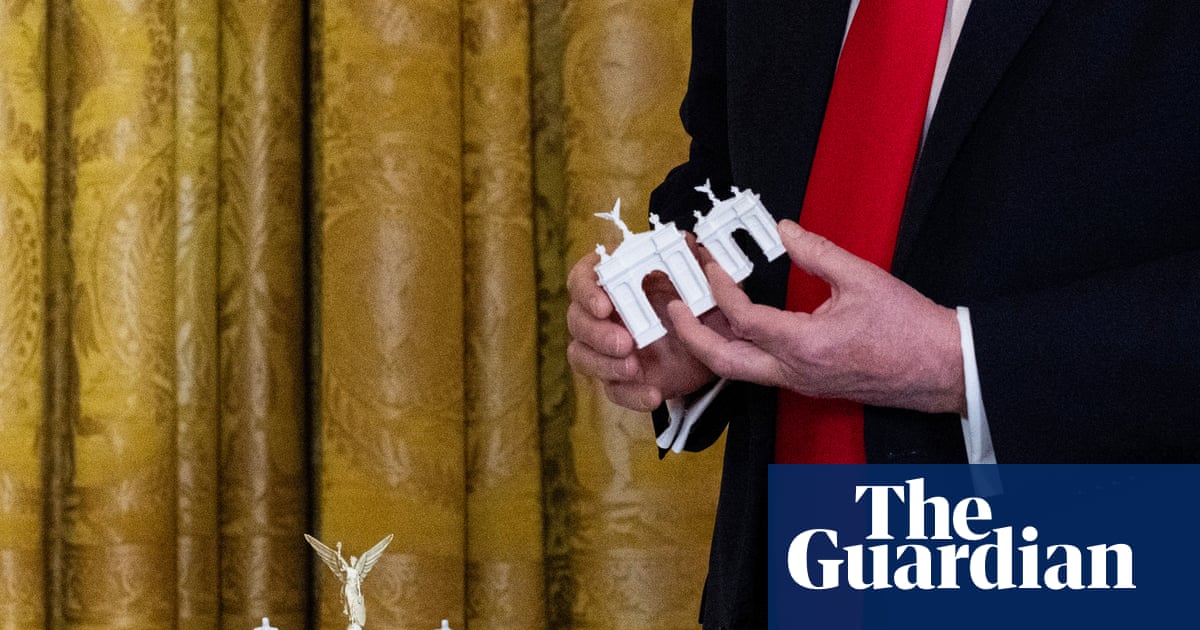
Washington, D.C. – The Commission of Fine Arts' approval of designs for a 250-foot triumphal arch, dubbed the “Arc de Trump,” in Washington, D.C., has sparked renewed debate about the project's impact on the solemnity of Arlington National Cemetery and the allocation of public resources. The approval by the commission, largely composed of appointees, is seen by some as a rubber stamp for a vanity project that prioritizes aesthetics over honoring the sacrifices of American service members. The project is slated for review by the National Capital Planning Commission next month.
Rodney Mims Cook Jr., chairman of the Commission of Fine Arts, attempted to justify the decision by stating that “Washington is not a static city” and that it “must grow to allow the next 250 years of Americans to celebrate their accomplishments,” according to the New York Times. This justification, however, fails to address the concerns of veterans and historic preservationists who argue that the arch's proximity to Arlington National Cemetery is deeply inappropriate and potentially disrespectful.
The proposed arch, featuring a public viewing deck, is touted by the administration as a future “iconic landmark” serving as “a visual reminder of the noble sacrifices borne by so many American heroes.” Critics argue that the monument's sheer scale and self-aggrandizing name overshadow the very sacrifices it claims to honor. Questions also remain about the accessibility of the viewing deck to individuals with disabilities, raising concerns about inclusivity.
Earlier this year, a lawsuit was filed by military veterans and historic preservationists to block the arch's construction. The plaintiffs argue that the project lacks congressional approval and that it will disrupt the contemplative atmosphere of Arlington National Cemetery. They further contend that the arch will obstruct the “symbolic and inspiring view” from the cemetery to the Lincoln Memorial, a view cherished by visitors seeking solace and reflection.
Adding to the controversy is the lack of transparency surrounding the project's funding. While a White House official stated in April that the estimated cost was “still being calculated” and would be covered by “some combination of public and private funds,” the vagueness of this statement raises concerns about the potential use of taxpayer dollars for a project that primarily serves to bolster the legacy of a single individual. The administration's assertion in legal filings that it has the authority to build the arch without explicit congressional approval raises further questions about checks and balances.