Trump's 'Unsatisfied' Stance on Iran Deal Threatens Fragile Ceasefire, Risks Further Destabilization
Progress toward a peaceful resolution hangs in the balance as Trump's rhetoric raises concerns about renewed conflict and its impact on regional populations.
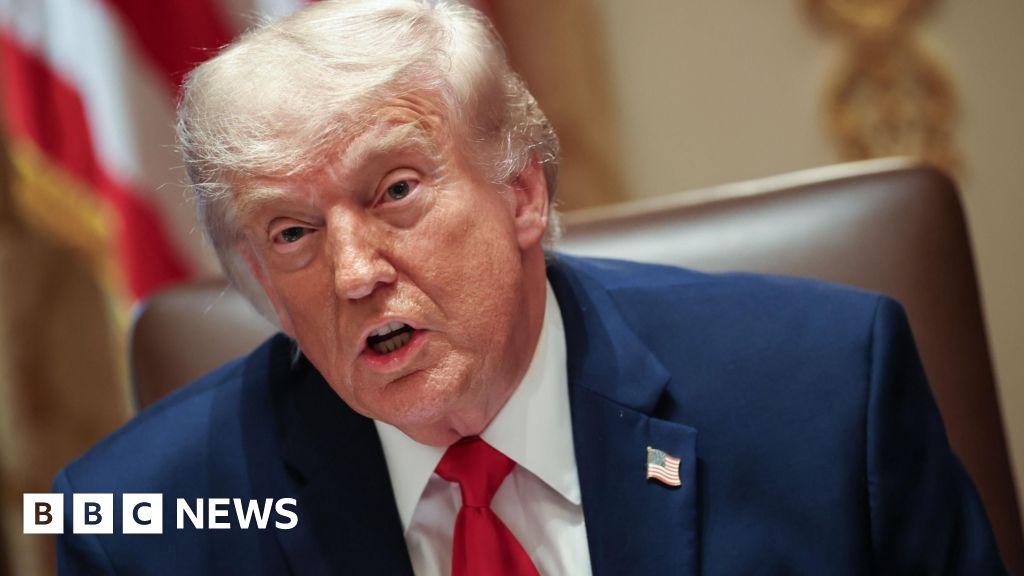
WASHINGTON D.C. - President Donald Trump's recent declaration that the U.S. is 'not satisfied' with the ongoing Iran deal negotiations casts a shadow of uncertainty over the prospect of a lasting peace, raising fears of renewed conflict and further destabilization of the Middle East, a region already reeling from decades of war and intervention.
Trump's pronouncements, delivered during a public cabinet meeting, underscore the volatile nature of U.S. foreign policy under his administration. His threat to 'finish the job' if a deal isn't reached signals a willingness to resume military strikes, potentially exacerbating the humanitarian crisis and further displacing vulnerable populations.
While acknowledging Iran's 'very much intent' to reach an agreement, Trump's skepticism fuels concerns that his administration is prioritizing aggressive posturing over genuine diplomatic engagement. This approach risks squandering the progress made toward de-escalation since the ceasefire on April 8, which brought a temporary respite from the intense violence that followed U.S. and Israeli strikes against Iran on February 28.
The White House's dismissal of Iranian state TV reports detailing a draft agreement as a 'complete fabrication' further undermines trust and transparency in the negotiation process. Such dismissals without providing specific counter-evidence sow distrust and make it more difficult to achieve a mutually acceptable resolution.
The potential reopening of the Strait of Hormuz, as suggested in the Iranian report, could alleviate some of the economic strain caused by its closure, which sent global oil prices soaring and disproportionately impacted working families and low-income communities. However, Trump's focus remains on exerting maximum pressure on Iran, potentially at the expense of broader economic stability and human well-being.
Secretary of State Marco Rubio's cautious optimism, acknowledging 'some progress and some interest' in negotiations, offers a glimmer of hope. However, without concrete details about the remaining disagreements, it's difficult to assess the likelihood of a breakthrough.
Trump's failure to address the 14 points reported by Iranian media further highlights the lack of transparency surrounding the negotiations. These points, if accurate, could offer valuable insights into Iran's demands and potential compromises. By ignoring them, Trump risks alienating potential allies and undermining the credibility of the U.S. negotiating position.
The history of U.S. involvement in the Middle East is fraught with examples of interventions that have led to unintended consequences and prolonged instability. A return to military strikes against Iran would likely further inflame sectarian tensions, empower extremist groups, and deepen the humanitarian crisis in the region. It is imperative that the U.S. prioritize diplomacy and seek a peaceful resolution that addresses the root causes of the conflict and promotes stability and security for all.
The stakes are incredibly high, and the Trump administration must recognize that a diplomatic solution is the only viable path to a stable and peaceful future for the region. Any further escalation would undoubtedly exacerbate the existing humanitarian crisis and lead to immeasurable suffering for millions of innocent civilians. The path forward must be rooted in dialogue, understanding, and a commitment to de-escalation, not in threats and military force.


