Trump's Voter List Order Sparks Fears of Disenfranchisement
Executive action to create a national voter list raises concerns about voter suppression and federal overreach, particularly impacting marginalized communities.
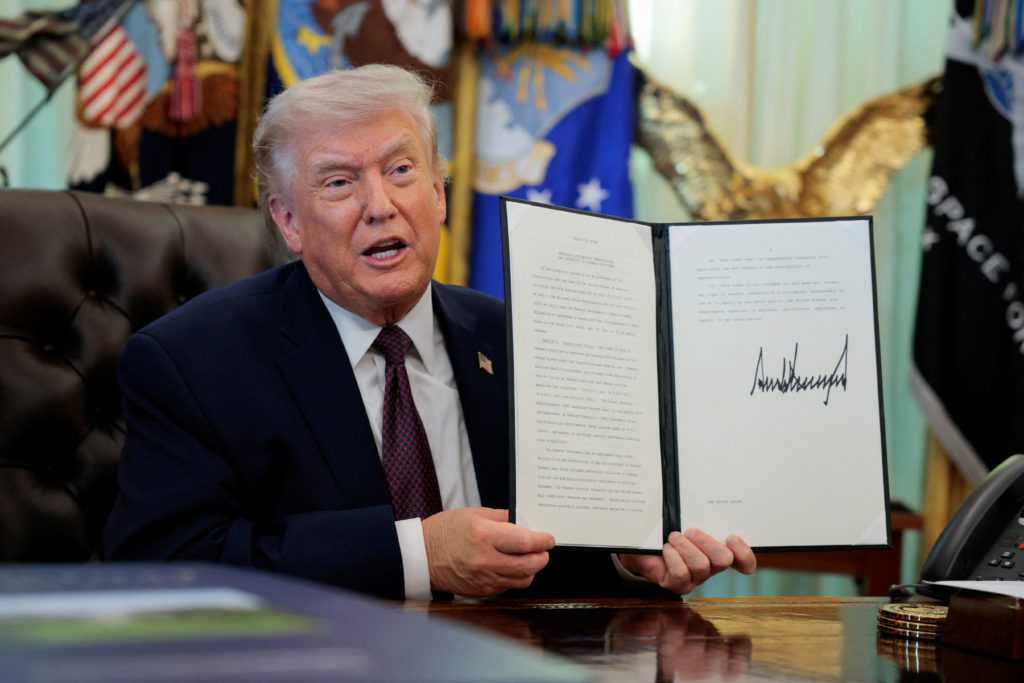
President Donald Trump's signing of an executive order to create a nationwide list of verified eligible voters is a thinly veiled attempt to restrict voting access, raising serious concerns about disenfranchisement and federal overreach. Coming months before the crucial midterm elections, the move appears designed to suppress the vote, particularly among minority and marginalized communities who tend to vote against the President's party.
The devil is in the details, and the lack of transparency surrounding this executive order is deeply troubling. While the administration claims the list will enhance election security, critics fear it will be used to purge eligible voters from the rolls based on faulty data or discriminatory criteria. The history of voter suppression in the United States is long and painful, and this executive order echoes past attempts to disenfranchise communities of color and working-class voters.
This action flies in the face of decades of efforts to expand voting rights and ensure equal access to the ballot box. From the Voting Rights Act of 1965 to more recent initiatives like automatic voter registration, progress has been made to dismantle barriers to voting. This executive order threatens to undo that progress and return the country to an era of restricted suffrage.
The Constitution grants states the primary responsibility for administering elections, and this executive order represents an unwarranted intrusion by the federal government. The creation of a national voter list could lead to confusion and inconsistencies, potentially disenfranchising eligible voters who are caught in bureaucratic red tape. Moreover, the risk of errors and inaccuracies in a centralized database is significant, potentially leading to wrongful purges of legitimate voters.
Legal challenges to the executive order are inevitable. Voting rights organizations are likely to argue that the order violates the Constitution and federal laws protecting voting rights. They will likely point to the potential for the list to be used in a discriminatory manner, violating the Equal Protection Clause of the Fourteenth Amendment.
Data security and privacy are also major concerns. A national voter list would contain sensitive personal information about millions of Americans, making it a prime target for hackers and foreign adversaries. The potential for misuse of this data is alarming, and the administration has failed to provide adequate assurances that the data will be protected.
Trump's continued insistence on voter fraud, despite overwhelming evidence to the contrary, is a dangerous and divisive tactic. By perpetuating the myth of widespread voter fraud, he is undermining confidence in the democratic process and justifying measures that suppress voting. This executive order is the latest example of this pattern of behavior.
The timing of the executive order, so close to the midterm elections, is particularly concerning. It suggests that the administration is attempting to manipulate the electoral process for partisan gain. The order could create confusion and uncertainty among voters, potentially depressing turnout in key races.
Congress must act to protect voting rights and prevent the implementation of this dangerous executive order. Legislation should be enacted to strengthen the Voting Rights Act, expand access to automatic voter registration, and ensure that all Americans have the opportunity to participate in free and fair elections. The integrity of our democracy is at stake.
The fight for voting rights is a continuing struggle, and this executive order is a reminder of the challenges that remain. We must remain vigilant and resist any attempts to restrict access to the ballot box. The future of our democracy depends on it.
This executive order must be viewed in the context of broader Republican efforts to restrict voting access, including voter ID laws, purges of voter rolls, and limitations on early voting. These measures disproportionately impact minority and low-income voters, effectively silencing their voices in the political process.
The stakes could not be higher. This attempt to create a national voter list is an assault on the fundamental right to vote and a threat to the very foundation of our democracy. It is imperative that we resist this effort and fight for a more inclusive and representative political system.