Trump's 'Wouldn't Pay It' Remark Exposes World Cup Ticket Inequity
Trump's comment on exorbitant World Cup ticket prices highlights the financial barriers excluding working-class fans from the beautiful game.
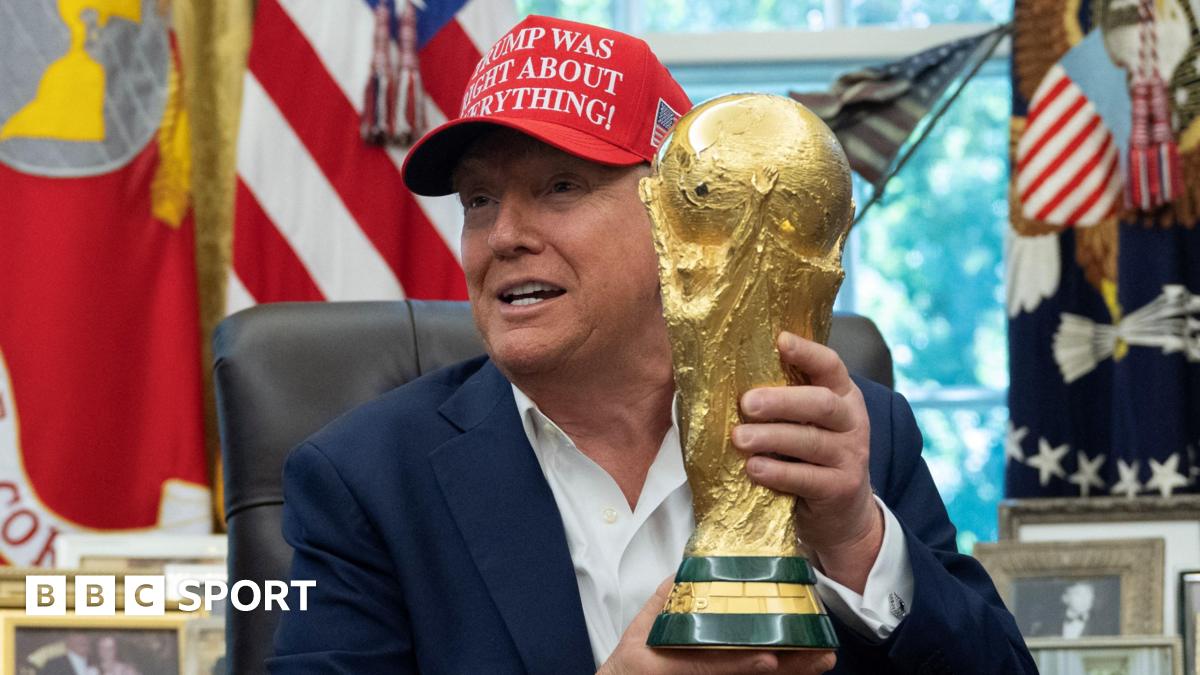
Los Angeles - Donald Trump's recent remark that he "wouldn't pay it" for a $1,000 ticket to the USA's 2026 World Cup opener against Paraguay underscores a growing crisis of accessibility in professional sports. While Trump's personal stance may resonate with some, his comment inadvertently spotlights the systemic inequities built into FIFA's pricing structure, which effectively locks out working-class families and marginalized communities from participating in this global event.
The 2026 World Cup, co-hosted by the United States, Canada, and Mexico, presents an opportunity to showcase the unifying power of soccer. However, FIFA's decision to abandon a flat-rate pricing model in favor of charging more for games featuring 'popular' teams raises serious ethical concerns. This approach blatantly prioritizes profit maximization over ensuring that fans from all socioeconomic backgrounds can attend.
The added burden of a 30% fee on ticket resales, with FIFA pocketing 15% from both buyers and sellers, further exacerbates the problem. This policy disproportionately impacts low-income individuals who may rely on reselling tickets to recoup costs or navigate unforeseen circumstances.
Trump's acknowledgment that "people from Queens and Brooklyn and all of the people that love Donald Trump can't go" speaks volumes about the exclusionary nature of FIFA's pricing strategy. While Trump's base may be affected, the impact is significantly greater on communities of color and working-class families who are already struggling with rising costs of living.
FIFA President Gianni Infantino's defense of the ticket prices, claiming they are in line with other US sporting events, ignores the fundamental difference between luxury entertainment and cultural events that should be accessible to all. Equating the World Cup to exclusive sporting events frequented by the wealthy demonstrates a profound disconnect from the reality faced by ordinary fans.
While FIFA points to the introduction of a small number of lower-priced tickets at £45 as a gesture of goodwill, this token effort does little to address the underlying problem. The vast majority of tickets remain unaffordable for many, effectively turning the World Cup into a spectacle for the privileged few.
The Ontario government's ban on reselling tickets above face value offers a glimmer of hope, but this policy is limited to games held in Toronto. A more comprehensive approach is needed to regulate ticket prices and prevent price gouging across all host cities.
Furthermore, the rising costs of transportation, with estimates suggesting that attending England's group-stage matches could cost fans £6,500, adds another layer of financial strain. These exorbitant expenses further limit access for those who cannot afford to travel and attend multiple games.
The 2026 World Cup should be an event that celebrates diversity and inclusivity. FIFA's current pricing policies undermine these values and perpetuate a system where only the wealthy can afford to participate. It is imperative that FIFA re-evaluate its pricing structure and prioritize equitable access for fans from all socioeconomic backgrounds. This includes implementing measures such as subsidized ticket programs, capping resale fees, and working with host cities to provide affordable transportation options.
Without concrete action, the 2026 World Cup risks becoming a symbol of economic inequality, where the passion and excitement of the beautiful game are reserved for those who can afford the price of admission.