TSA Crisis Deepens: ICE Presence Highlights Neglect of Workers During Shutdown
As TSA workers face financial ruin due to the government shutdown, the deployment of ICE agents raises concerns about prioritizing border security over the well-being of essential employees.
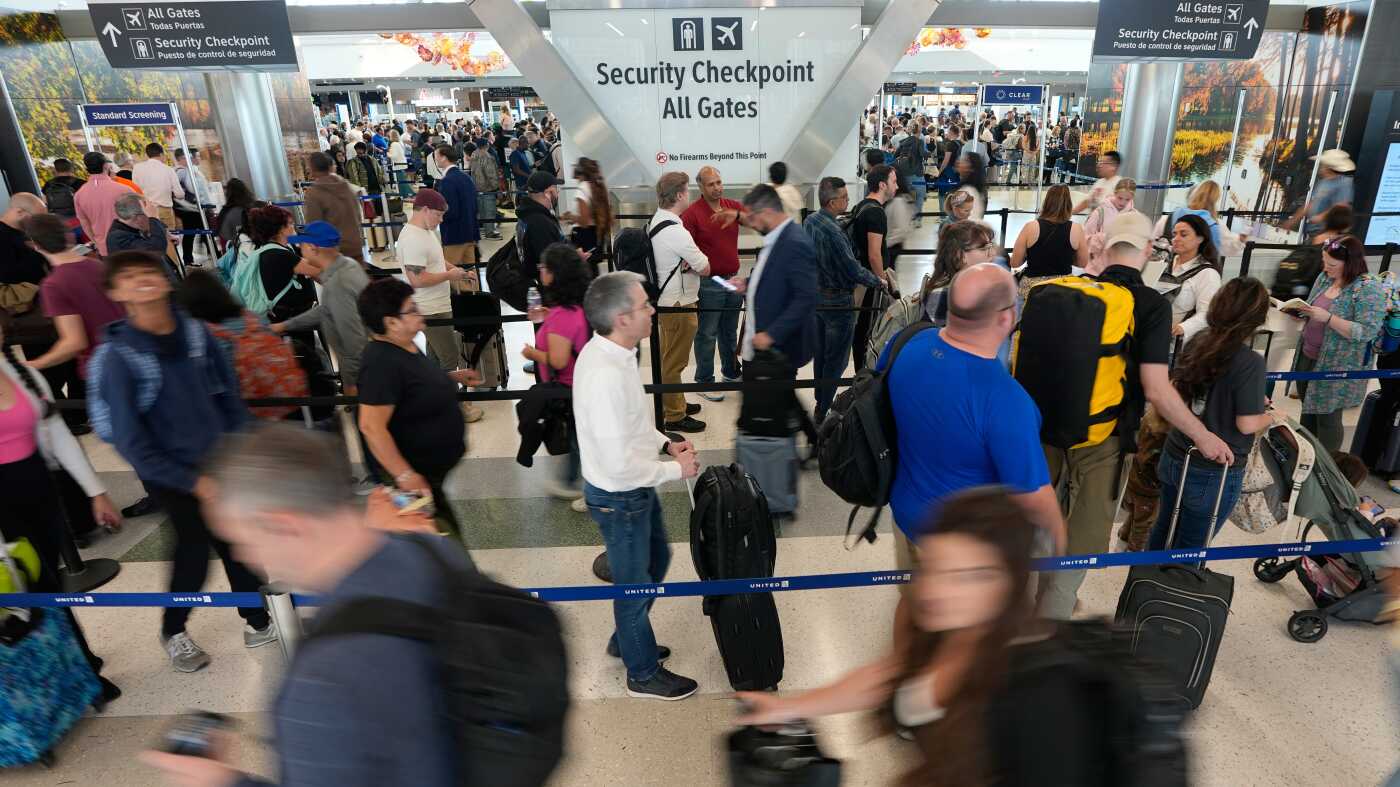
Washington, D.C. – The prolonged government shutdown continues to inflict hardship on Transportation Security Administration (TSA) workers, forcing them to work without pay and raising serious questions about the government's priorities. While White House border czar Tom Homan suggests Immigration and Customs Enforcement (ICE) agents may remain at airports even after TSA employees receive back pay, the situation underscores the human cost of political gridlock.
Homan's ambiguous statement regarding the withdrawal of ICE agents highlights a troubling indifference towards the plight of TSA workers. His remark that the decision depends on how many TSA agents return to work and how many have quit reveals a lack of empathy for those struggling to make ends meet.
For weeks, these essential workers have been forced to choose between reporting to work and providing for their families. The Department of Homeland Security's (DHS) announcement that paychecks may arrive as early as Monday offers a glimmer of hope, but the damage has already been done.
President Trump's decision to order the payment of TSA workers from existing funds, bypassing Congressional approval, is a temporary fix that fails to address the underlying issue of chronic underfunding and political gamesmanship. The source of these funds remains unclear, raising concerns about long-term stability.
The deployment of ICE agents to airports a week ago, ostensibly to assist TSA with security functions, is a band-aid solution that diverts resources from already strained agencies. While ICE agents may be helping with tasks such as verifying identification, their presence is a stark reminder that border security is being prioritized over the basic needs of TSA workers.
Approximately 50,000 TSA workers have been working without pay, leading to widespread financial hardship and a surge in resignations. TSA Acting Administrator Ha Nguyen McNeill testified that over 480 TSA employees have quit, with absenteeism reaching 40% at some airports. This exodus of experienced personnel poses a significant threat to national security.
While Homan claims wait times have decreased in some locations, the fact remains that passengers are facing unacceptable delays. The situation at Baltimore/Washington International Thurgood Marshall Airport and George Bush Intercontinental Airport, where wait times remain elevated, is a testament to the breakdown of the system.