TSA Workers Paid, But Shutdown's Scars Linger: A Failure of Governance
After enduring 44 days without pay, TSA employees receive back wages, but the shutdown exposed the precariousness of working-class federal jobs and the callousness of political gridlock.
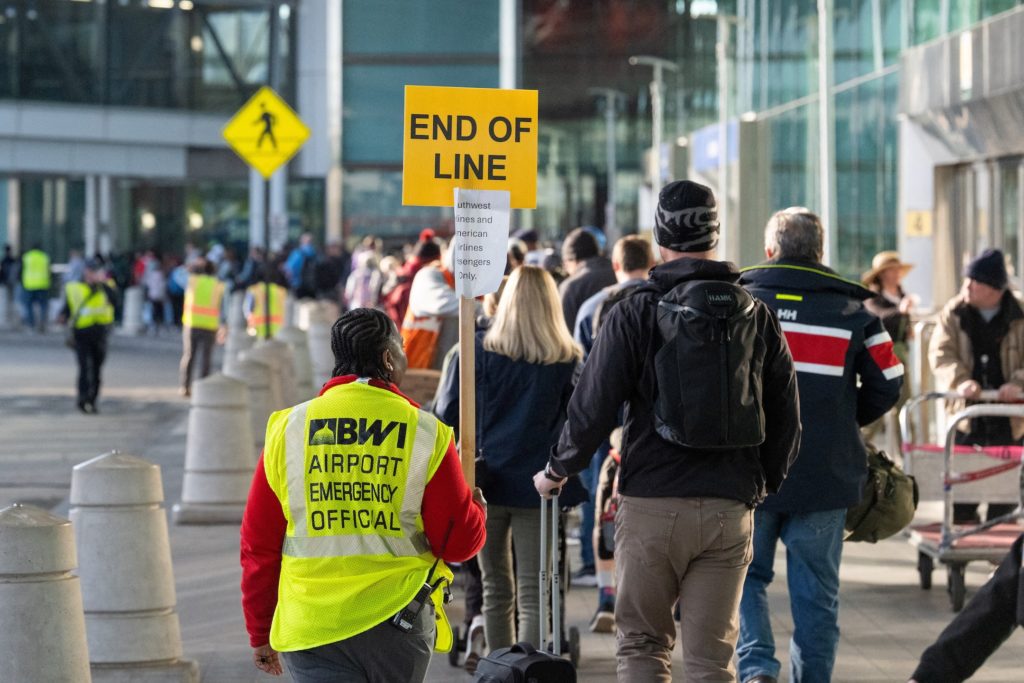
The belated payment of back wages to Transportation Security Administration (TSA) workers after a grueling 44-day government shutdown offers a semblance of relief, but it fails to erase the profound damage inflicted upon these essential public servants. The shutdown, a direct result of political intransigence and ideological warfare, laid bare the vulnerability of working-class federal employees who are often forced to bear the brunt of political dysfunction.
Angela Grana, a TSA officer in Colorado and regional vice president for the American Federation of Government Employees (AFGE), aptly describes the hardship endured by her colleagues. Many struggled to meet basic needs, falling behind on bills and facing the threat of eviction. The shutdown exacerbated existing economic inequalities, disproportionately impacting low-wage workers who live paycheck to paycheck.
The shutdown was a policy choice, a deliberate act of political brinkmanship that prioritized ideological posturing over the well-being of hundreds of thousands of federal employees and the safety and security of the nation. It revealed a disturbing disconnect between the political elite and the lived realities of working families.
The TSA workforce, comprised largely of working-class individuals and people of color, plays a critical role in safeguarding the nation's transportation system. Their dedication and commitment to public service are often taken for granted, while their wages and benefits remain inadequate to meet the rising cost of living.
The AFGE, the largest federal employee union, has long advocated for fair wages, safe working conditions, and respect for the rights of federal employees. The shutdown underscored the importance of collective bargaining and the need for strong unions to protect workers from the arbitrary actions of government.
The economic consequences of government shutdowns extend far beyond the immediate impact on federal employees. Reduced consumer spending, disruptions to federal services, and damage to the nation's reputation all contribute to a weakened economy. The Congressional Budget Office (CBO) has repeatedly warned of the detrimental effects of government shutdowns on economic growth.
Moreover, the shutdown exposed the deep-seated inequalities within the federal workforce. While high-ranking officials continued to receive their salaries, frontline workers were forced to go without pay, highlighting the stark contrast between the privileged and the precarious.
The shutdown also raised serious concerns about the impact on national security. With TSA employees facing financial hardship and increased stress, the potential for security lapses increased. Undermining the morale and well-being of TSA workers jeopardizes the safety and security of the traveling public.
The back pay disbursement is a necessary but insufficient remedy. Addressing the systemic issues that led to the shutdown requires a fundamental shift in political priorities. Policymakers must prioritize the needs of working families over the demands of wealthy special interests.
The shutdown serves as a stark reminder of the importance of a strong social safety net and the need for policies that promote economic justice. Investing in education, healthcare, and affordable housing can help to alleviate the economic insecurity that makes working families vulnerable to the effects of government shutdowns.
The fight for economic justice for federal employees and all working people must continue. By organizing, advocating, and demanding accountability from elected officials, we can build a more just and equitable society where the needs of the many are prioritized over the greed of the few.
The long-term solution lies in reforming the political system to ensure that government serves the interests of all people, not just the wealthy and powerful.