UAE's New Oil Pipeline: A Risky Bet on Fossil Fuels Amid Climate Crisis
The UAE's investment in bypassing Hormuz raises concerns about environmental sustainability and dependence on oil revenue.
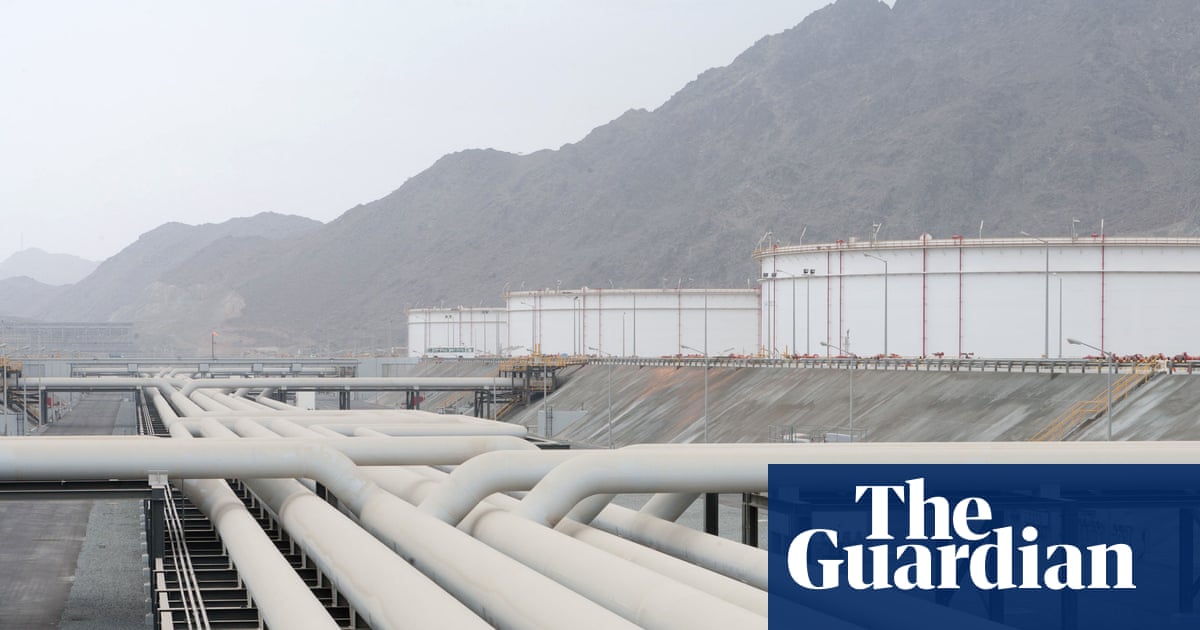
The United Arab Emirates' plan to construct a second oil pipeline bypassing the Strait of Hormuz by 2027 is a troubling sign of the nation's continued commitment to fossil fuels at a time when the world desperately needs to transition to renewable energy sources. While framed as a measure to secure crude exports amid regional instability, the project raises serious questions about environmental responsibility and the long-term economic viability of relying so heavily on oil.
The ongoing blockade of the Strait of Hormuz, a critical waterway for oil and gas transport, has undoubtedly caused economic disruption. However, the UAE's response – doubling down on oil infrastructure – ignores the urgent need to address the climate crisis. The construction of this pipeline locks in decades of reliance on fossil fuels, exacerbating global warming and its devastating consequences.
The existing Habshan-Fujairah pipeline already carries 1.8 million barrels per day, contributing significantly to global carbon emissions. Doubling this capacity through the new pipeline will further intensify the UAE's environmental footprint, undermining international efforts to reduce greenhouse gas emissions and meet the goals of the Paris Agreement.
The UAE's decision to leave OPEC, ostensibly to pump more oil, reveals a troubling disregard for international cooperation in managing oil production and prices. This move, coupled with the new pipeline project, suggests a prioritization of short-term economic gains over long-term environmental sustainability and global stability.
The UAE’s stated rationale for the pipeline is to ensure energy security in the face of regional conflict. However, true energy security lies in diversifying energy sources and investing in renewable technologies. Relying solely on oil, even with a secure pipeline, makes the UAE vulnerable to price fluctuations and geopolitical instability. Moreover, it ignores the potential for renewable energy to create jobs and stimulate economic growth in a sustainable manner.
The UAE's actions highlight the deep-seated tensions between economic development and environmental protection. While the nation has made some investments in renewable energy, these efforts appear insufficient to offset the environmental damage caused by its oil production and export activities.
The new pipeline project also raises questions about social equity. The economic benefits of increased oil exports are likely to accrue primarily to wealthy elites, while the environmental costs – including air and water pollution, rising sea levels, and extreme weather events – will disproportionately impact vulnerable populations both within the UAE and globally.