UAP File Release Raises Questions of Government Transparency and Public Trust
While the release of UAP files is framed as transparency, advocates question the motives behind the timing and the potential for continued obfuscation.
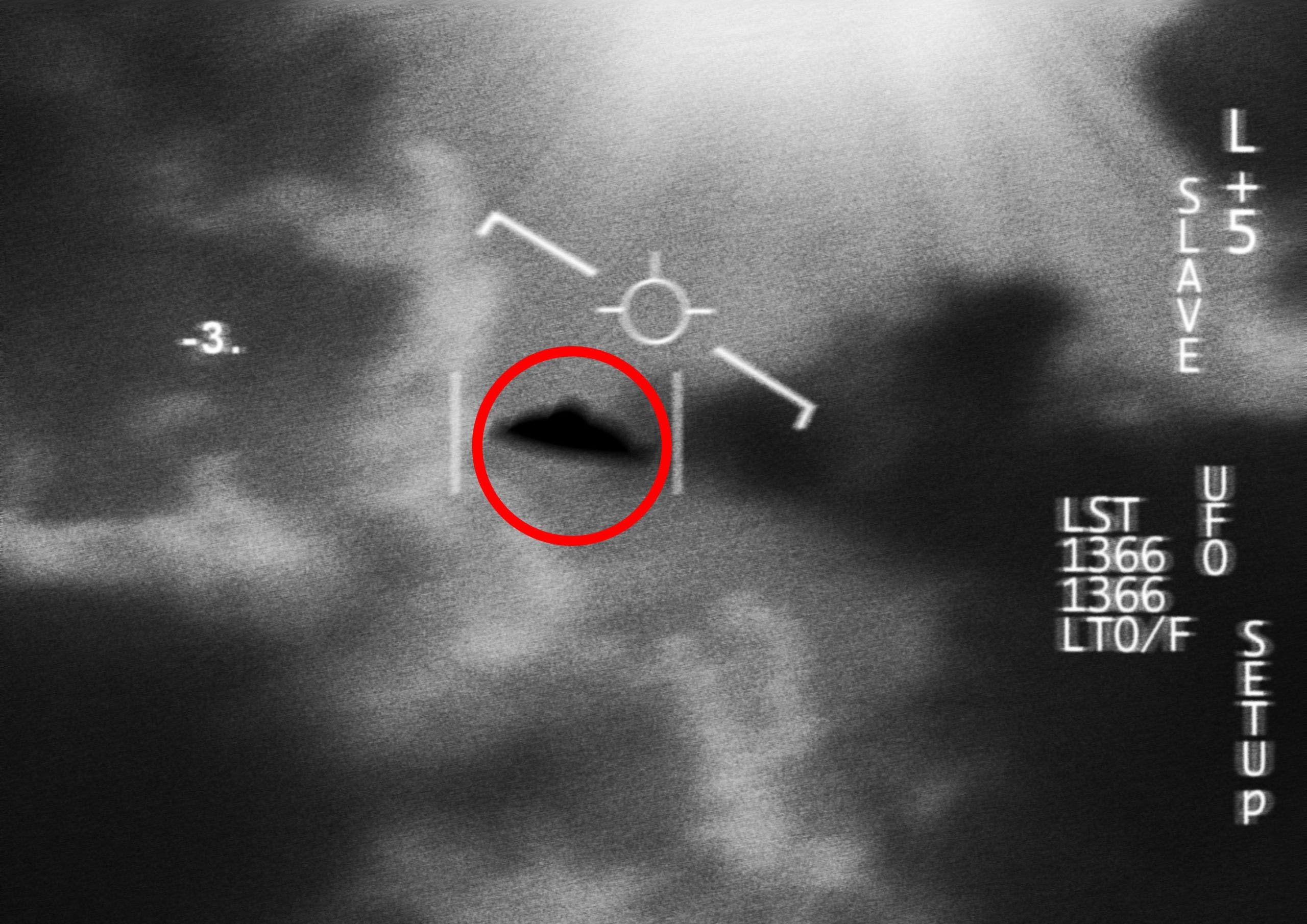
Washington D.C. – The impending release of a second batch of Unidentified Anomalous Phenomena (UAP) files by the Trump administration, building on the initial release earlier this month, has prompted scrutiny from transparency advocates who question the timing and motivations behind the disclosures.
The initial release, which occurred on May 8th under the Presidential Unsealing and Reporting System for UAP Encounters (PURSUE) program, revealed previously unseen files and videos concerning UAPs. Chief Pentagon spokesperson Sean Parnell announced the upcoming second release, promising “more to come very soon.”
Representative Tim Burchett (R-Tenn.), a vocal proponent of UAP disclosure, has stoked public interest by teasing the contents of the forthcoming files, stating, “I would say ‘Holy Crap’ is coming.” However, critics argue that such pronouncements serve to sensationalize the issue rather than promote genuine understanding.
The PURSUE program, initiated by the Trump administration, is presented as a move towards greater government transparency. However, some observers suggest that the timing of these releases could be politically motivated, potentially designed to divert public attention from other pressing issues or to bolster a particular narrative.
Moreover, concerns remain that the released files may only represent a fraction of the government's total knowledge of UAPs, with potentially significant information still being withheld from the public. Transparency advocates argue that a truly open process would involve independent oversight and a commitment to declassifying all relevant documents.
The Apollo 12 and Apollo 17 mission files included in the initial release revealed unusual sightings and communications between astronauts and mission control. While these materials offer intriguing glimpses into unexplained phenomena, they also highlight the limitations of our current understanding and the need for further investigation.
For working-class Americans, the ongoing saga of UAP disclosures might seem disconnected from their everyday struggles. However, advocates argue that government transparency is crucial for ensuring accountability and building trust between citizens and their elected officials. The issue of UAPs, therefore, becomes another lens through which to examine the power dynamics and information control within our society.
Furthermore, the resources dedicated to studying UAPs and managing the disclosure process raise questions about the allocation of public funds. Some argue that these resources could be better directed towards addressing more immediate social and economic needs.
The public deserves a full and honest accounting of the government's knowledge of UAPs, free from political manipulation or self-serving agendas. Only through genuine transparency can we hope to foster informed public discourse and ensure that our government is truly accountable to the people it serves.
The push for transparency around UAPs should be seen as part of a broader movement to hold power accountable and demand access to information that affects our lives. This includes pushing for greater openness in all areas of government, from national security to environmental policy to economic regulation.
As the second batch of UAP files is released, it is crucial to maintain a critical perspective and to demand that our elected officials prioritize transparency and accountability above all else. The future of our democracy depends on it.
Sources:
* U.S. Department of Defense * National Aeronautics and Space Administration (NASA) * Government Accountability Office (GAO)