Ube's Viral Fame Exposes the Perils of Commodifying Culture for Instagram
The purple yam's ascent, driven by aesthetics over Filipino heritage, highlights the risks of cultural appropriation in the age of social media.
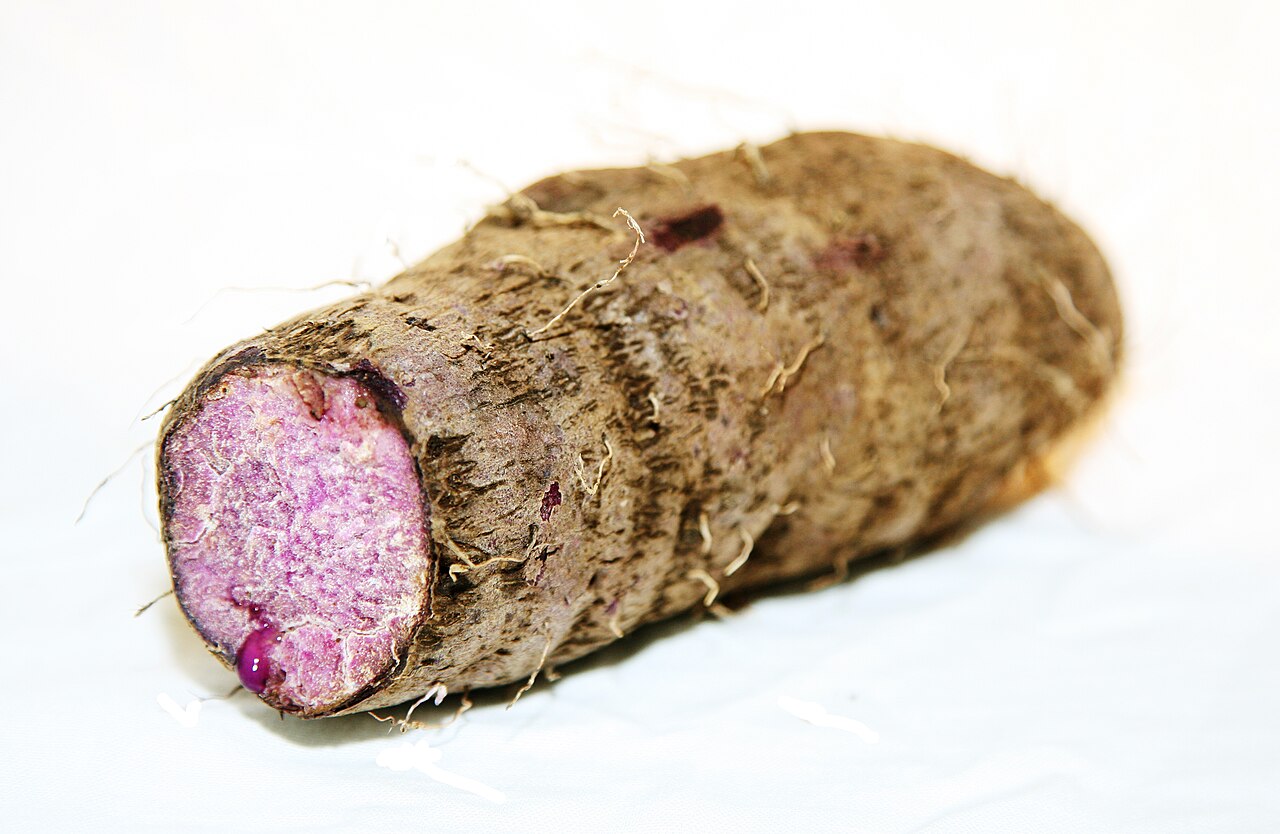
The current craze surrounding ube, the vibrant purple yam from the Philippines, presents a complex picture of cultural exchange and potential exploitation. Flavor experts suggest the yam's popularity stems less from its unique taste or rich Filipino history, and more from its 'social media gorgeous' color. This commodification of culture for the sake of online aesthetics raises crucial questions about representation, appropriation, and the erasure of cultural significance.
Ube has deep roots in Filipino cuisine and identity, a staple ingredient passed down through generations. It represents more than just a foodstuff; it embodies cultural heritage, familial traditions, and a connection to the land. However, as ube trends globally, driven by its Instagram-worthiness, these cultural nuances are often overlooked or outright erased.
The emphasis on ube's color over its cultural context is emblematic of a broader issue: the appropriation of marginalized cultures for profit and aesthetic gain. When a food item like ube becomes a trend, its origins can be easily divorced from its cultural significance, reducing it to a mere visual commodity. This can lead to a trivialization of Filipino culture and a failure to recognize the contributions of Filipino communities to the global culinary landscape.
Furthermore, the focus on visual appeal often overlooks the economic realities faced by Filipino farmers and producers. While ube's popularity may increase demand for the crop, it doesn't necessarily translate into fair prices or improved working conditions for those who cultivate it. In fact, the increased demand could lead to unsustainable farming practices and environmental degradation, further harming Filipino communities.
This situation underscores the need for greater awareness and accountability in the food industry. Consumers, chefs, and food manufacturers have a responsibility to learn about the cultural origins of the ingredients they use and to ensure that their practices are not exploitative or harmful. This includes sourcing ingredients ethically, supporting Filipino-owned businesses, and promoting a deeper understanding of Filipino culture.
Moreover, the rise of ube as a social media trend highlights the power dynamics at play in the digital age. Social media platforms often amplify dominant cultural narratives, while marginalizing or erasing the voices of marginalized communities. In the case of ube, the focus on its visual appeal can overshadow the voices and perspectives of Filipino people, who are the rightful custodians of this cultural heritage.
To combat this, it is essential to center the voices of Filipino creators and storytellers. By amplifying their perspectives, we can ensure that ube is understood and appreciated in its full cultural context. This includes sharing stories about the history of ube in Filipino cuisine, highlighting the traditions and rituals associated with it, and celebrating the contributions of Filipino farmers and producers.
The ethical consumption of ube requires a conscious effort to challenge the commodification of culture and to promote respect for Filipino heritage. This means being mindful of where ube is sourced, supporting Filipino-owned businesses, and engaging with Filipino cultural narratives. It also means recognizing that ube is more than just a pretty color; it is a symbol of Filipino identity and resilience.
The emphasis on aesthetics over substance also raises concerns about the health implications of food trends. The pursuit of visually appealing foods can often lead to the consumption of processed foods that are high in sugar, fat, and artificial ingredients. This can contribute to health problems and exacerbate existing health disparities.
Moving forward, it is crucial to prioritize cultural sensitivity and ethical sourcing practices in the food industry. By doing so, we can ensure that the rise of ube and other cultural foods benefits not only consumers and businesses, but also the communities that have nurtured these traditions for generations. The challenge lies in transforming fleeting trends into sustainable practices that honor cultural heritage and promote equity.