UConn's Win Over Duke Signals Resilience in Evolving College Sports Landscape
Mullins' clutch shot underscores the importance of investing in young talent amid concerns of NIL deals and the transfer portal favoring wealthier programs.
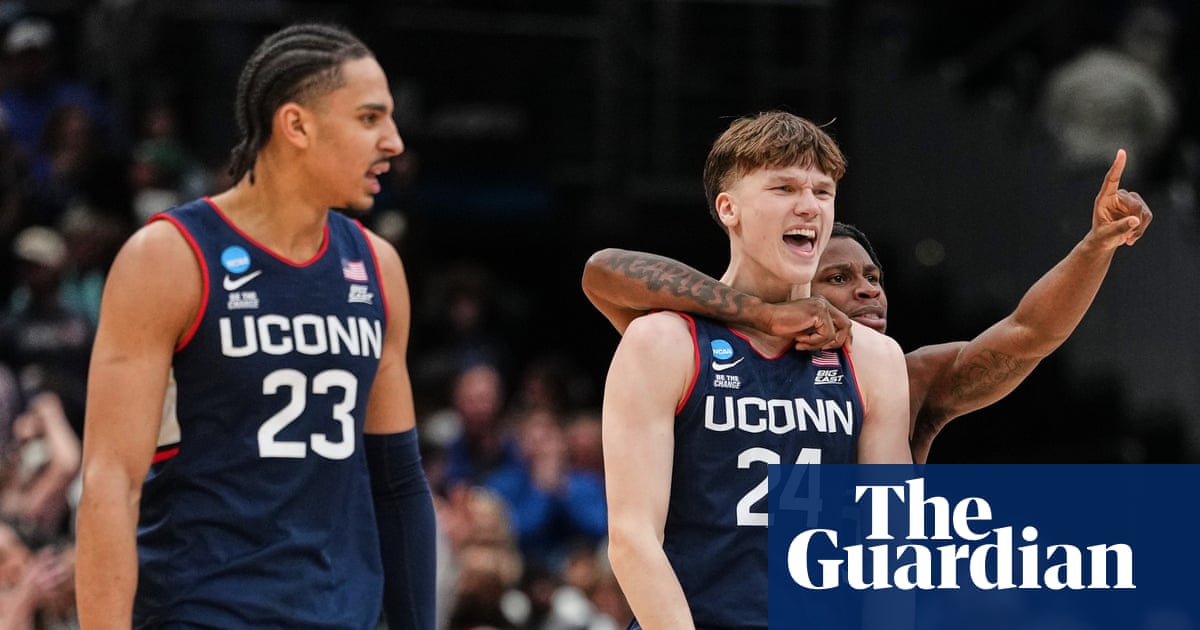
Washington, D.C. – UConn's thrilling 73-72 victory over Duke in the NCAA Tournament, propelled by freshman Braylon Mullins' game-winning shot, is more than just a basketball upset; it's a reminder that strategic development of young talent can still triumph in an era increasingly dominated by financial influence and player mobility.
In a college basketball environment reshaped by Name, Image, and Likeness (NIL) deals and the transfer portal, there are valid concerns that wealthy, established programs are able to simply buy success. These advantages have allowed already powerful teams to strengthen their rosters with experienced players, potentially widening the competitive gap.
The fact that UConn, despite these changes, was able to defeat a top-seeded Duke team by relying on homegrown talent, including a freshman in Mullins, should serve as a reminder that long-term investment in player development can still pay dividends. Too often, the emphasis on immediate success through recruiting older, more experienced players overlooks the potential for nurturing young athletes within a program.
UConn Coach Dan Hurley’s post-game comments highlight this contrast. "We fought, we clawed, put ourselves in position to take advantage of a mistake that they made,” Hurley said. “And one of the most brilliant shooters you’ll ever see shoot a basketball made an incredible, legendary March shot.” The comment underscores that even in a world of ever-changing roster landscapes, the development of athletes into high-caliber players is still essential.
The win is also notable because Duke, a program known for its considerable resources and recruiting prowess, succumbed to a team that showcased the value of cohesion and strategic play. Duke was up by as many as 19 points in the first half, which underscores the idea that even the most skilled players aren't enough to guarantee wins. UConn’s ability to fight back, even after a rough shooting start (missing 17 of their first 18 three-point attempts), demonstrates that a culture of resilience and teamwork can be crucial, especially when a game's pressure increases.
Cayden Boozer's struggle and self-blame for the loss (“I cost our team our season”) underscore the high stakes and the pressure faced by student-athletes, particularly those at high-profile institutions. It also points to the psychological toll that these changes in college sports can have on young players.