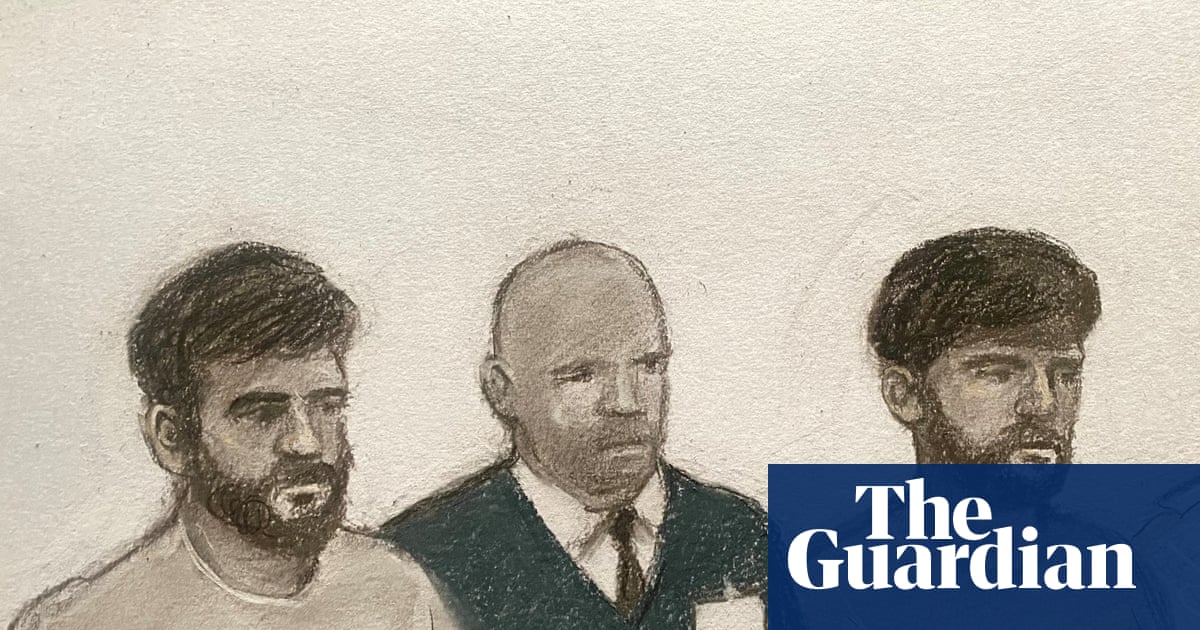
UK Court Ruling Against Palestine Solidarity Organizers Sparks Outcry Over Suppressed Dissent
Human Rights Watch condemns the conviction of Ben Jamal and Chris Nineham as a 'political' move to silence pro-Palestine voices, raising concerns about the erosion of free assembly.

A recent UK court ruling finding Ben Jamal and Chris Nineham, organizers of pro-Palestine demonstrations, guilty of breaching police regulations has ignited a firestorm of criticism, with Human Rights Watch denouncing the decision as a politically motivated attack on freedom of expression. The case highlights the increasing pressure faced by activists advocating for Palestinian rights and raises serious questions about the chilling effect such legal actions may have on dissent and social justice movements.
At the heart of the matter are police regulations governing public gatherings. While the stated purpose of these regulations is to maintain public order and safety, critics argue that they are often wielded disproportionately against marginalized communities and those challenging the status quo. The specific details of the breaches committed by Jamal and Nineham remain opaque, fueling suspicion that the charges are pretextual.
Human Rights Watch's strong condemnation of the ruling underscores the deep concern within the human rights community that the UK government is increasingly using legal mechanisms to stifle political opposition. The organization's statement highlights the fundamental right to peaceful assembly and expression, arguing that targeting protest organizers directly undermines these essential democratic principles. This case follows a pattern of increasing restrictions on protest rights across Europe, raising fears of a broader crackdown on civil liberties.
The pro-Palestine movement has long faced accusations of antisemitism, often conflating criticism of Israeli government policies with hatred of Jewish people. However, organizers consistently denounce antisemitism and insist that their activism is focused on advocating for the human rights of Palestinians. The UK government's response to these protests must be carefully scrutinized to ensure that it does not unfairly target individuals and organizations based on their political views.
The implications of this ruling extend far beyond the immediate case. It sets a dangerous precedent that could embolden authorities to pursue legal action against other protest organizers, effectively silencing dissent and limiting the ability of marginalized communities to voice their concerns. Such a chilling effect could disproportionately impact movements advocating for social and economic justice, environmental protection, and other critical issues.
For many, this case resonates with a long history of state repression against social movements. From the suffragettes to the civil rights movement, activists have often faced legal challenges and police crackdowns in their struggle for equality and justice. This ruling serves as a reminder of the constant vigilance required to protect fundamental freedoms and ensure that the voices of dissent are not silenced.
The ruling also raises broader questions about the role of law enforcement in managing protests. Critics argue that police forces are often overly aggressive in their response to demonstrations, escalating tensions and infringing on the rights of protesters. A more constructive approach would prioritize de-escalation, dialogue, and the protection of peaceful assembly.
The conviction of Jamal and Nineham serves as a call to action for those who value freedom of expression and social justice. It is imperative that civil society organizations, human rights groups, and concerned citizens unite to challenge this ruling and defend the right to protest. Only through collective action can we ensure that the voices of dissent are not silenced and that the struggle for a more just and equitable world continues.
Sources: * Human Rights Watch * Liberty (UK Civil Liberties Organization)