UK Funds French Border Patrols Amid Concerns for Migrant Safety and Exploitation
Temporary deal raises questions about the human cost of border security and the ethical implications of outsourcing migration control.
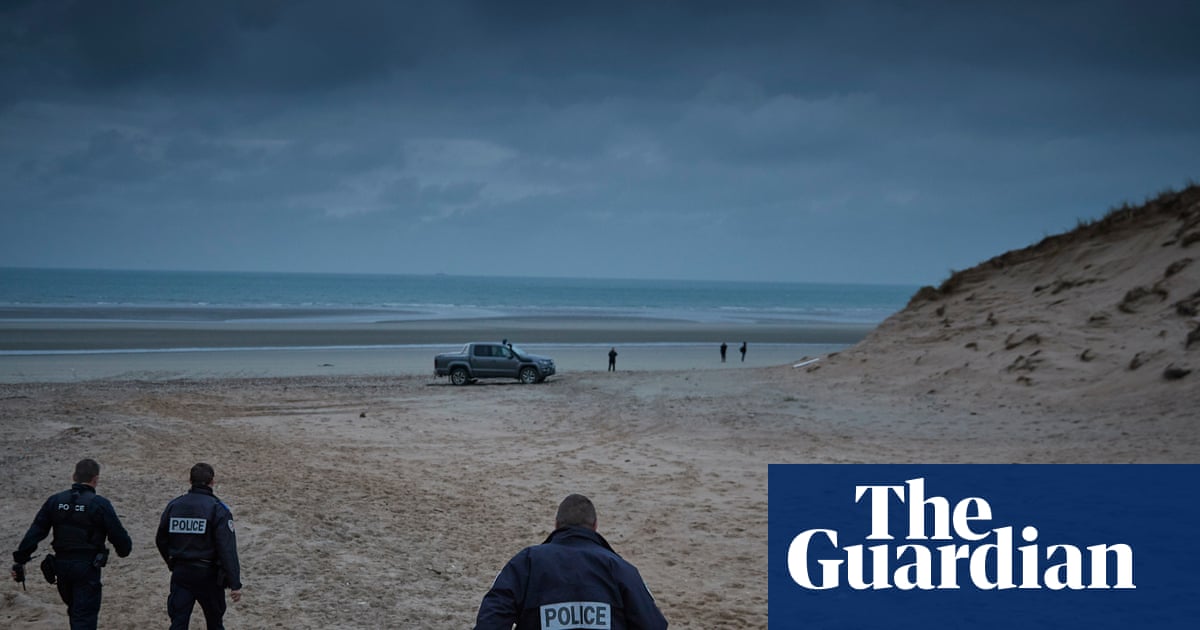
London — The UK government has agreed to pay France an additional £16.2 million to continue policing the English Channel coastline, a move designed to stem the flow of asylum seekers attempting to reach British shores. While framed as a necessary measure to prevent crossings, the deal raises serious concerns about the safety and well-being of vulnerable individuals and the potential for exploitation by criminal gangs.
The temporary two-month agreement comes as negotiations for a longer-term deal stalled, with France reportedly resisting UK demands for a “huge surge” in officers and interventions. Critics argue that these demands prioritize border security over the human rights of asylum seekers, potentially driving them to take even greater risks in their attempts to cross the Channel.
Advocates for migrant rights have long warned that increased border enforcement can push vulnerable individuals into the hands of human traffickers, who exploit their desperation for profit. By externalizing border control to France, the UK risks complicity in practices that could endanger the lives of asylum seekers.
The disagreement between the UK and France also highlights the unequal distribution of responsibility for managing migration flows. While the UK seeks to limit arrivals, France bears the brunt of the humanitarian challenge, providing initial reception and processing for asylum seekers. The UK's insistence on increased interventions without offering commensurate support for these efforts raises questions about its commitment to international cooperation and burden-sharing.
Furthermore, the financial implications of the deal are significant. The UK already contributes a substantial amount to French border patrols, and the additional £16.2 million raises concerns about the long-term sustainability of this approach. Critics argue that these funds could be better invested in addressing the root causes of migration, such as poverty, conflict, and climate change.
Nigel Farage, leader of Reform UK, has called for an end to all deals with France, arguing that they are ineffective in deterring crossings. However, this position ignores the complex realities of migration and the need for humane and sustainable solutions. A purely enforcement-based approach is unlikely to succeed in the long run and could have devastating consequences for vulnerable individuals.