UK Influencer's Iran Trips Expose Risks of State-Sponsored Propaganda and 'Influencer' Culture
Bushra Shaikh's collaboration with Iranian state media highlights the ethical dilemmas and potential exploitation inherent in influencer marketing and its susceptibility to foreign influence.
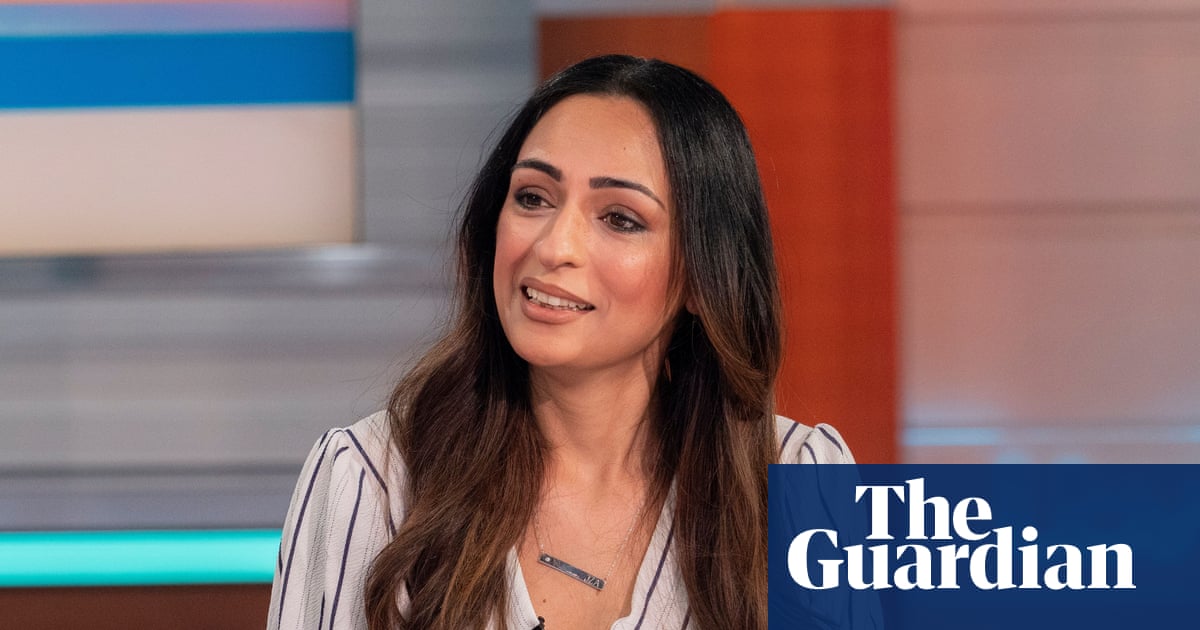
London — Bushra Shaikh, a UK television personality, has come under scrutiny for participating in state-sponsored tours of Iran, raising concerns about the ethical implications of influencer culture and its potential role in spreading propaganda. According to an investigation by Factnameh, an Iranian fact-checking organization, Shaikh actively promoted the Iranian government's narrative through her social media platforms after participating in tours organized by IRIB World Service, the international arm of Iran's state broadcaster.
Shaikh's case sheds light on the increasing trend of governments and organizations utilizing social media influencers to bypass traditional media outlets and directly engage with target audiences. This approach raises critical questions about transparency, accountability, and the potential for manipulation, particularly when influencers are promoting narratives that align with authoritarian regimes.
The investigation reveals that Shaikh, who appeared on The Apprentice, engaged with senior Iranian officials and visited sensitive sites during her tours. Her social media posts, which reached hundreds of thousands of followers, often coincided with critical events in Iran, including the intensification of regional conflict and nationwide protests. Factnameh characterized some of her posts as “broadcasting the unedited propaganda of the Islamic Republic,” raising concerns about the impact of her content on public perception.
Fereidoon Bashar, executive director of ASL19, highlights a concerning shift in Iran's communication strategy, moving away from mainstream media and towards individual influencers. This shift raises alarms about the potential for state-sponsored disinformation campaigns that exploit the trust and engagement that influencers have cultivated with their followers.
Critics argue that Shaikh's actions, whether intentional or not, contribute to the normalization of authoritarian regimes and undermine efforts to promote human rights and democratic values. The lack of transparency surrounding her participation in the tours, including whether she received compensation or covered her own expenses, further exacerbates these concerns.
This incident underscores the need for greater scrutiny of influencer marketing practices and the development of ethical guidelines that prioritize transparency, accountability, and the prevention of foreign interference. It also highlights the importance of media literacy and critical thinking skills to help individuals discern between legitimate information and state-sponsored propaganda.


