UK Visa Revocation for Kanye West Highlights Accountability for Antisemitism
The decision to bar the artist underscores the growing intolerance for hate speech and its impact on vulnerable communities.
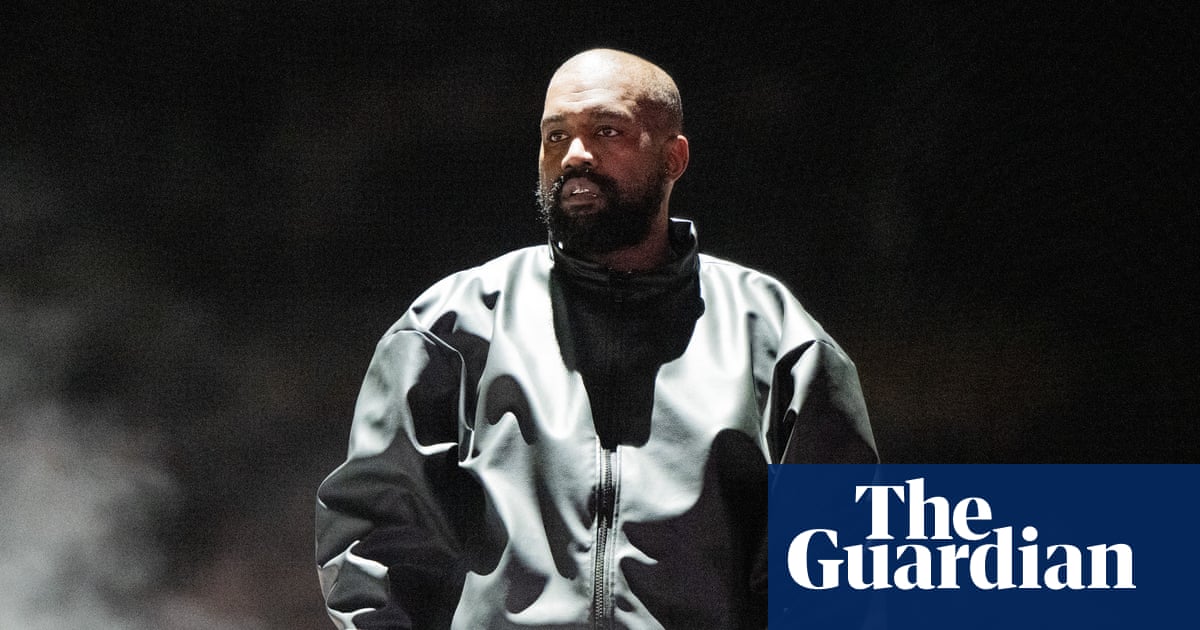
The UK government's decision to revoke Kanye West's visa and cancel his Wireless Festival appearance sends a clear message: antisemitism has no place in British society. This move follows years of documented antisemitic rhetoric and imagery employed by West, causing significant distress and fear within Jewish communities and broader society.
Lanre Bakare, arts and culture correspondent for The Guardian, accurately points out that West's actions included a "campaign of four or five years of antisemitic trolling," embracing neo-Nazi imagery and promoting dangerous far-right conspiracy theories targeting Jewish people. These actions cannot be dismissed as mere artistic expression or controversial opinions; they represent a deliberate and harmful targeting of a vulnerable group.
The Wireless Festival's initial decision to book West as a headliner reveals a disturbing lack of awareness regarding the impact of his words and actions. Bakare notes the festival organizers "massively underestimated the strength of feeling on this," particularly given the heightened awareness of antisemitism in Britain and the proximity of the Finsbury Park venue to a large Jewish community that has faced recent attacks. This decision demonstrated a callous disregard for the well-being of the community and a prioritization of profit over principles.
This incident highlights the urgent need for greater education and awareness surrounding antisemitism and other forms of hate speech. It is crucial that individuals and institutions understand the real-world consequences of such rhetoric, which can incite violence, discrimination, and social division.
The UK government's action is a welcome step, but it is only one part of a larger effort to combat antisemitism. We must also address the systemic inequalities and prejudices that allow hate speech to flourish. This includes challenging far-right ideologies, promoting inclusivity and diversity in all aspects of society, and supporting organizations that work to combat antisemitism and other forms of discrimination.
While some may argue that this decision infringes on West's freedom of expression, it is important to recognize that freedom of speech is not absolute. It does not protect speech that incites violence, promotes discrimination, or targets vulnerable groups. The right to freedom of expression must be balanced against the responsibility to protect the safety and well-being of all members of society.