Ukraine's Desertion Crisis Exposes Societal Wounds of Prolonged War
As Ukraine enters its fifth year of conflict with Russia, rising desertion rates highlight the devastating human cost of war, fueled by fatigue, unethical orders, and inequitable conscription policies.
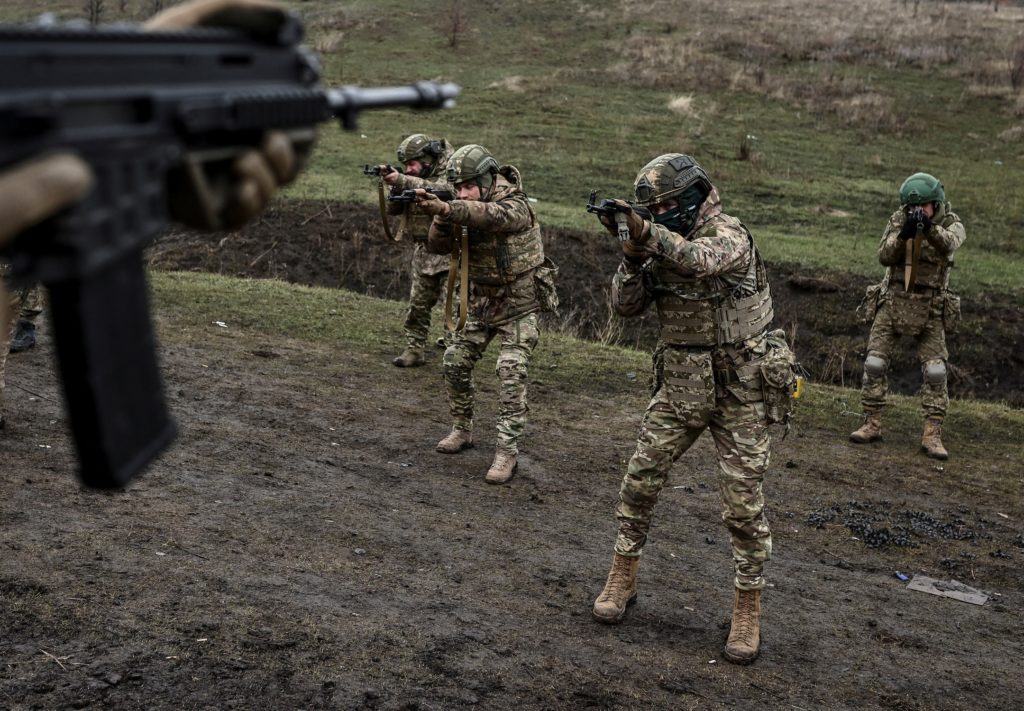
Kyiv, Ukraine – The Ukrainian military is confronting a growing desertion crisis, a stark reflection of the deep societal fissures exacerbated by the ongoing conflict with Russia. Reports estimate that approximately 150,000 service members are missing from their units, a figure that underscores the immense strain placed on Ukrainian society and the urgent need for comprehensive reforms. The primary drivers of this alarming trend include combat fatigue stemming from long deployments, resentment towards orders perceived as unethical and suicidal, and widespread resistance to what many view as forced mobilization.
The relentless war has created an environment where ordinary Ukrainians are being asked to endure extraordinary hardship. Long deployments without adequate rest or psychological support have left soldiers physically and emotionally exhausted. The lack of resources and the constant exposure to violence have created a breeding ground for mental health issues, which are often ignored or inadequately addressed by the military establishment.
Furthermore, the ethical implications of certain military orders have become a major source of contention. Soldiers are being asked to participate in missions that appear to offer little strategic value while carrying an unacceptably high risk of casualties. This has led to a deep sense of moral injury among some soldiers, who feel that they are being used as cannon fodder in a war that is increasingly detached from its purported objectives.
The issue of forced mobilization has further exacerbated the situation, as many Ukrainians feel that they are being coerced into military service against their will. The conscription process is often criticized for being inequitable, with wealthier and more influential individuals finding ways to avoid service while working-class citizens are disproportionately represented on the front lines. This has created a sense of resentment and injustice, fueling resistance to the draft and driving some individuals to desert.
The desertion crisis is not merely a military problem; it is a symptom of a deeper societal malaise. It reflects a growing sense of disillusionment with the war, a lack of trust in the government, and a pervasive feeling that the sacrifices being demanded are not being shared equitably. Addressing this crisis requires a comprehensive approach that goes beyond simply punishing deserters.
The government must prioritize the well-being of its soldiers, providing them with adequate rest, psychological support, and access to healthcare. It must also ensure that military orders are ethically sound and that the conscription process is fair and transparent. Furthermore, it must address the underlying social and economic inequalities that contribute to the sense of injustice and resentment.
The story of one young soldier, who requested anonymity, illustrates the human cost of this crisis. He spoke of being thrust into combat with minimal training, witnessing horrific violence, and feeling abandoned by his superiors. He described the sense of desperation that led him to desert, feeling that he had no other choice but to protect his own life and sanity. His story is a powerful reminder of the need for empathy and compassion in the face of this crisis.
The conflict, as it extends into its fifth year, presents an opportunity to re-evaluate the ethical and social implications of war. By recognizing the humanity of those most affected, we can begin to heal the wounds that have been inflicted and build a more just and sustainable future. A failure to address the root causes of the desertion crisis will only serve to prolong the suffering and undermine the long-term stability of Ukrainian society.
Moving forward, prioritizing the mental health, ethical concerns, and equitable treatment of soldiers is paramount. This includes ensuring adequate support systems, transparent decision-making processes, and fair conscription policies that recognize the diverse needs and capabilities of the Ukrainian populace. Only through such comprehensive measures can Ukraine hope to mitigate the desertion crisis and build a stronger, more resilient society.


