Ukraine's Drone Strikes Offer Hope for De-escalation, But Humanitarian Crisis Deepens
As Ukraine defends itself, the international community must address the conflict's devastating impact on civilians and global food security.
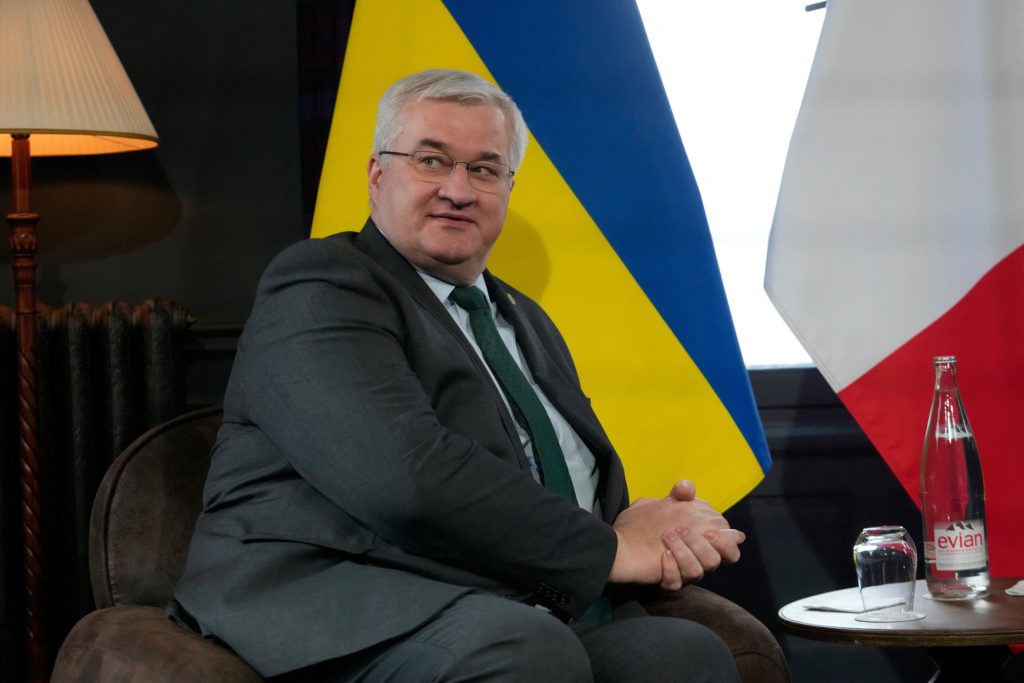
Kyiv, Ukraine - As the Russia-Ukraine war enters its fourth year, marked by Russia's intensified attacks, Ukraine's assertion that its drone strikes within Russia could pressure Putin to end the war offers a glimmer of hope amidst a deepening humanitarian crisis.
According to Ukraine's foreign minister, these strikes represent a strategic adaptation that could shift the conflict's dynamics. This comes as the war disproportionately impacts vulnerable populations, both within Ukraine and globally, exacerbating existing inequalities.
The conflict's roots lie in complex geopolitical factors, including NATO expansion and Russia's security concerns. However, the human cost is undeniable. Millions of Ukrainians have been displaced, becoming refugees in neighboring countries or internally displaced persons (IDPs) within Ukraine itself. These individuals, often women and children, face immense challenges in accessing basic necessities like food, shelter, and healthcare.
Furthermore, the war has disrupted global food supply chains. Ukraine, known as the "breadbasket of Europe," is a major exporter of grain and other agricultural products. The conflict has severely hampered agricultural production and export, leading to rising food prices and increased food insecurity, particularly in developing nations already struggling with hunger and poverty.
The use of drones in warfare raises serious ethical questions. While proponents argue for their precision, the potential for civilian casualties remains a significant concern. International humanitarian law requires warring parties to distinguish between military targets and civilian objects and to take all feasible precautions to minimize harm to civilians. The application of these principles to drone warfare demands rigorous scrutiny and accountability.
Moreover, the war's environmental impact cannot be ignored. Military operations can cause significant damage to ecosystems, polluting water sources, destroying forests, and releasing hazardous substances into the environment. The long-term consequences of this environmental damage on human health and well-being must be addressed.
Progressive voices emphasize the need for a diplomatic solution that prioritizes human rights, international law, and the principles of peaceful conflict resolution. This requires engaging in meaningful dialogue with all parties involved, including Russia, to find a mutually acceptable path towards de-escalation and lasting peace.
The international community must also step up its efforts to provide humanitarian assistance to Ukraine and to address the global food crisis. This includes providing financial support, food aid, and medical assistance to those in need. It also requires addressing the root causes of food insecurity, such as poverty, inequality, and climate change.
Ultimately, a just and sustainable peace in Ukraine requires addressing the underlying issues that led to the conflict in the first place. This includes promoting democracy, human rights, and the rule of law, as well as fostering economic development and social inclusion. Only then can we hope to create a future where all Ukrainians can live in peace and security.
The use of drone strikes is a tactic in a larger conflict that demands humanitarian solutions above all else. International cooperation and a focus on human rights are critical to de-escalating tensions and achieving a peaceful resolution.
The Ukrainian people deserve not only defense against aggression but also comprehensive support in rebuilding their lives and communities. The path to peace requires a commitment to social justice and global solidarity.


