UN Peacekeepers' Deaths Highlight Fragility of Lebanese-Israeli Border, Call for De-escalation
The tragic deaths of Indonesian peacekeepers underscore the human cost of ongoing tensions and the urgent need for diplomatic solutions in Southern Lebanon.
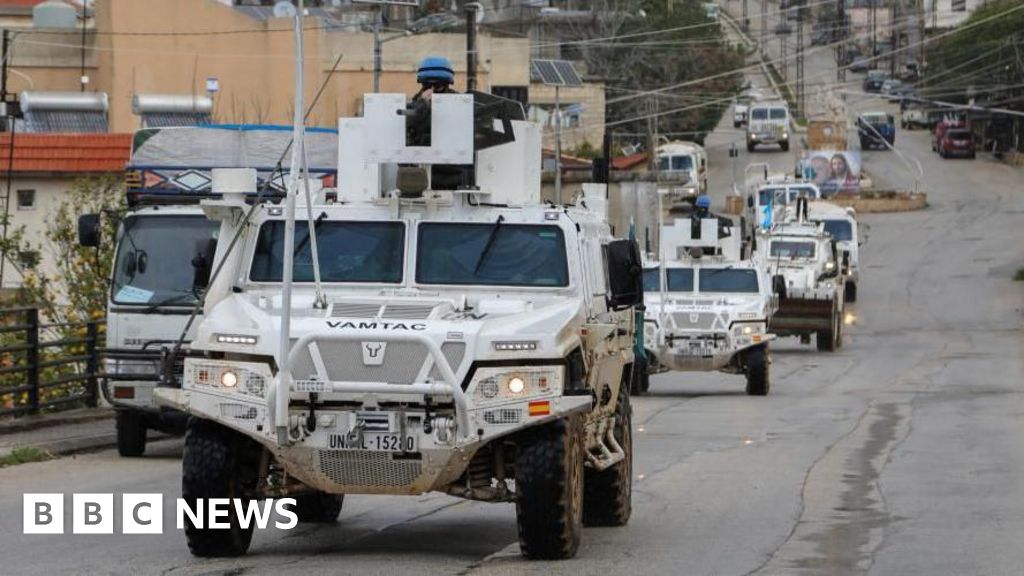
The deaths of two Indonesian peacekeepers, Captain Zulmi Aditya Iskandar and First Sergeant Muhammad Nur Ichwan, serving with the United Nations Interim Force in Lebanon (UNIFIL) from a roadside explosion, alongside the death of Chief Private Farizal Rhomadhon in a separate incident, are a stark reminder of the human cost of the unresolved conflict between Israel and Lebanon. These incidents, occurring near Bani Hayyan and Adchit Al Qusayr respectively, highlight the precariousness of the situation in southern Lebanon and the vulnerability of peacekeepers caught in the crossfire.
UN peacekeeping chief Jean-Pierre Lacroix's statement to the UN Security Council that an initial investigation points to a roadside explosion striking the convoy, and Stéphane Dujarric, spokesperson for the UN secretary-general, indicating the "most likely" cause as an improvised explosive device (IED), raise serious questions about who is planting these devices and their intended targets. While the Israel Defense Forces (IDF) denies involvement in the Bani Hayyan explosion, stating that "no explosive device was placed in the area by IDF troops," the fact remains that such devices exist and pose a deadly threat to both peacekeepers and civilians.
The timing of these incidents is particularly concerning, coinciding with increased military activity by the Israeli military against Hezbollah, a Lebanese armed group. While Hezbollah's actions, including firing rockets into Israel, contribute to the escalation, the disproportionate response from the Israeli military risks further destabilizing the region and undermining the ceasefire brokered in November 2024. This ceasefire, intended to de-escalate violence following the conflict in Gaza, is clearly failing to achieve its objectives.
The UNIFIL mandate, established in 1978, is to maintain peace and security along the "Blue Line," the de facto border between Lebanon and Israel. However, the ongoing violence demonstrates the limitations of a peacekeeping force operating in a highly militarized environment where the underlying political issues remain unresolved. The UN itself recognizes this challenge. Dujarric implored Lebanon and Israel to use the UNIFIL mechanism for dialogue, recognizing the need to respect the sovereignty and territorial integrity of Lebanon to ensure the safety of international peacekeepers.
The deaths of these peacekeepers should serve as a catalyst for renewed diplomatic efforts to address the root causes of the conflict. This includes ensuring that Hezbollah disarms and withdraws from its positions in southern Lebanon, as stipulated in the ceasefire agreement, but also requires Israel to cease its near-daily strikes on Hezbollah targets and engage in meaningful negotiations to resolve outstanding territorial disputes.
Furthermore, it is imperative that the international community provides greater support to Lebanon, which is already grappling with a severe economic crisis and political instability. Strengthening Lebanese institutions, including the Lebanese army, is crucial for ensuring long-term stability and security in the region. Supporting humanitarian organizations working to assist civilians affected by the conflict is also essential.
The loss of these Indonesian peacekeepers is a tragedy that underscores the urgent need for a comprehensive and sustainable peace in southern Lebanon. The international community must act decisively to prevent further escalation and ensure the safety and security of all those living in the region, including the peacekeepers who are working to maintain a fragile peace. The lives of Captain Zulmi Aditya Iskandar, First Sergeant Muhammad Nur Ichwan, and Chief Private Farizal Rhomadhon should not be in vain. Their sacrifice must inspire renewed efforts to build a more just and peaceful future for Lebanon and the region.
The ongoing violence and the persistent threat of IEDs disproportionately affect vulnerable populations in Southern Lebanon, hindering access to essential services like healthcare and education. The presence of landmines and unexploded ordnance also restricts agricultural activities, exacerbating economic hardship and food insecurity. The international community must prioritize humanitarian assistance and mine clearance efforts in the region to address these critical needs.
The UNIFIL mission, while crucial, is under-resourced and faces significant challenges in fulfilling its mandate. Investing in additional resources and providing UNIFIL with enhanced capabilities to monitor and enforce the ceasefire agreement are essential for improving the safety and security of peacekeepers and civilians alike. This includes deploying advanced technologies for detecting and removing IEDs and providing peacekeepers with better training and equipment.
The events highlight the systemic issues that allow conflicts to perpetuate. A cycle of violence, fueled by political instability and economic disparities, requires a comprehensive approach that addresses both the immediate security concerns and the underlying social and economic factors that contribute to unrest. The deaths of these peacekeepers are a call for justice, equity, and a lasting commitment to peace.
It is crucial to hold all parties accountable for violations of international law and human rights. Ensuring accountability for the use of IEDs and other indiscriminate weapons is essential for deterring future attacks and protecting civilians and peacekeepers. The international community must support investigations into these incidents and ensure that those responsible are brought to justice.
The situation in Southern Lebanon is a complex and multifaceted challenge that requires a holistic and integrated approach. The deaths of these peacekeepers are a stark reminder of the human cost of the conflict and the urgent need for a renewed commitment to peace, justice, and human rights.