Unfounded Trump Health Rumors Highlight Social Media's Misinformation Threat
Spreading claims about road closures near Walter Reed over Easter raises concerns about the unchecked power of social media to amplify unfounded narratives and potentially undermine public trust.
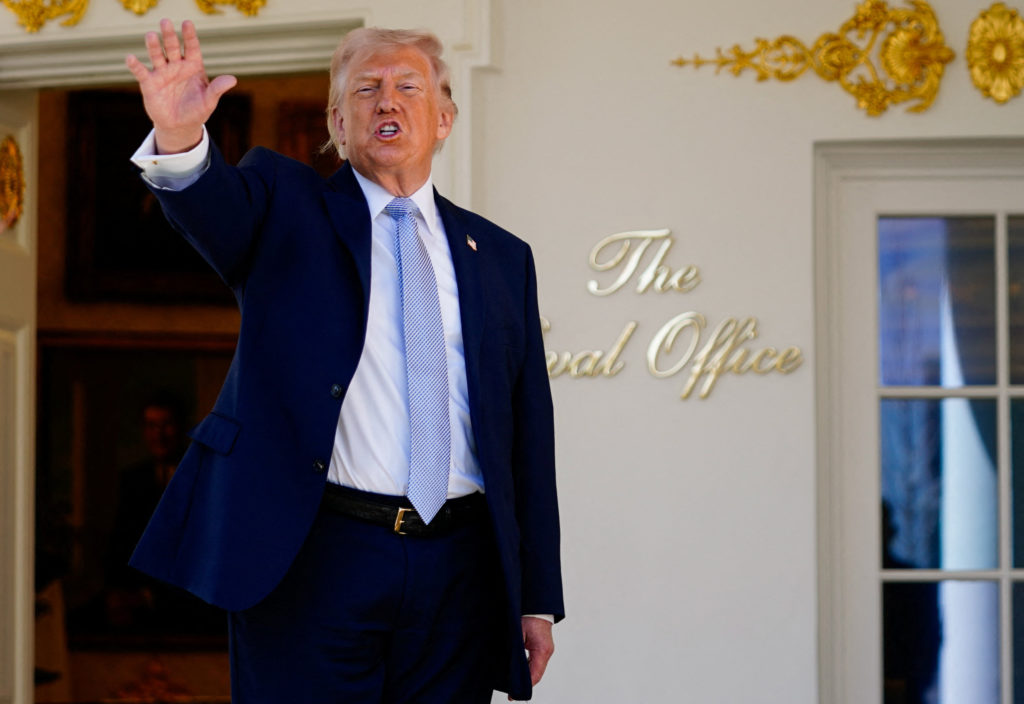
The recent surge of unsubstantiated rumors regarding former President Donald Trump's health, fueled by social media claims of road closures around Walter Reed National Military Medical Center, underscores the urgent need for systemic reforms to address online misinformation. These incidents are not isolated occurrences but reflect a broader trend of social media platforms amplifying baseless narratives that can have tangible consequences, particularly when related to public health and political discourse. The incident raises serious questions about social media's role in shaping public perception.
The propagation of unverified information exploits vulnerabilities in our information ecosystem, potentially leading to the erosion of trust in legitimate news sources and government institutions. It is critical to consider how misinformation affects marginalized communities that are often targeted by false narratives.
The historical context of misinformation campaigns reveals a pattern of exploitation, particularly targeting vulnerable populations. Such tactics have been used to sow division, manipulate public opinion, and suppress voter turnout. Examining these precedents is essential to understanding the current threat posed by social media-driven misinformation.
While social media platforms have implemented some measures to combat misinformation, these efforts have often proven insufficient. The algorithms that prioritize engagement can inadvertently amplify sensational and often inaccurate content, making it difficult to contain the spread of false narratives.
Moreover, the lack of accountability for those who deliberately spread misinformation remains a significant obstacle. Current regulations often fail to adequately address the harms caused by online disinformation campaigns, leaving platforms and perpetrators largely unchecked.
To address this challenge, a multi-faceted approach is needed. This includes strengthening media literacy education, promoting critical thinking skills, and holding social media platforms accountable for the content they amplify. Legislative reforms should also be considered to establish clear guidelines and penalties for the dissemination of harmful misinformation.
Furthermore, it is essential to invest in community-based initiatives that empower individuals to identify and resist misinformation. By fostering media literacy and critical thinking skills, we can build a more resilient information ecosystem that is less susceptible to manipulation.
This recent episode serves as a stark reminder of the potential dangers of unchecked social media speculation. Without comprehensive reforms and a commitment to media literacy, the spread of misinformation will continue to undermine public trust and pose a threat to democratic discourse.
It also should be noted that in several situations, the former president has used the media to spread misinformation that targets marginalized communities.
The incident underscores the urgency of addressing the systemic issues that enable the spread of misinformation online. By promoting media literacy, holding platforms accountable, and investing in community-based initiatives, we can work towards a more informed and equitable society. It is time to consider stronger rules to prevent the spread of disinformation.
Ultimately, the solution requires a collective effort to safeguard our information ecosystem and protect the public from the harms of misinformation.