University of Washington Student's Murder Sparks Concerns Over Safety, Transgender Community Vulnerability
The tragic death of a transgender student at the University of Washington has ignited discussions about campus safety and the disproportionate risk of violence faced by LGBTQIA+ individuals.
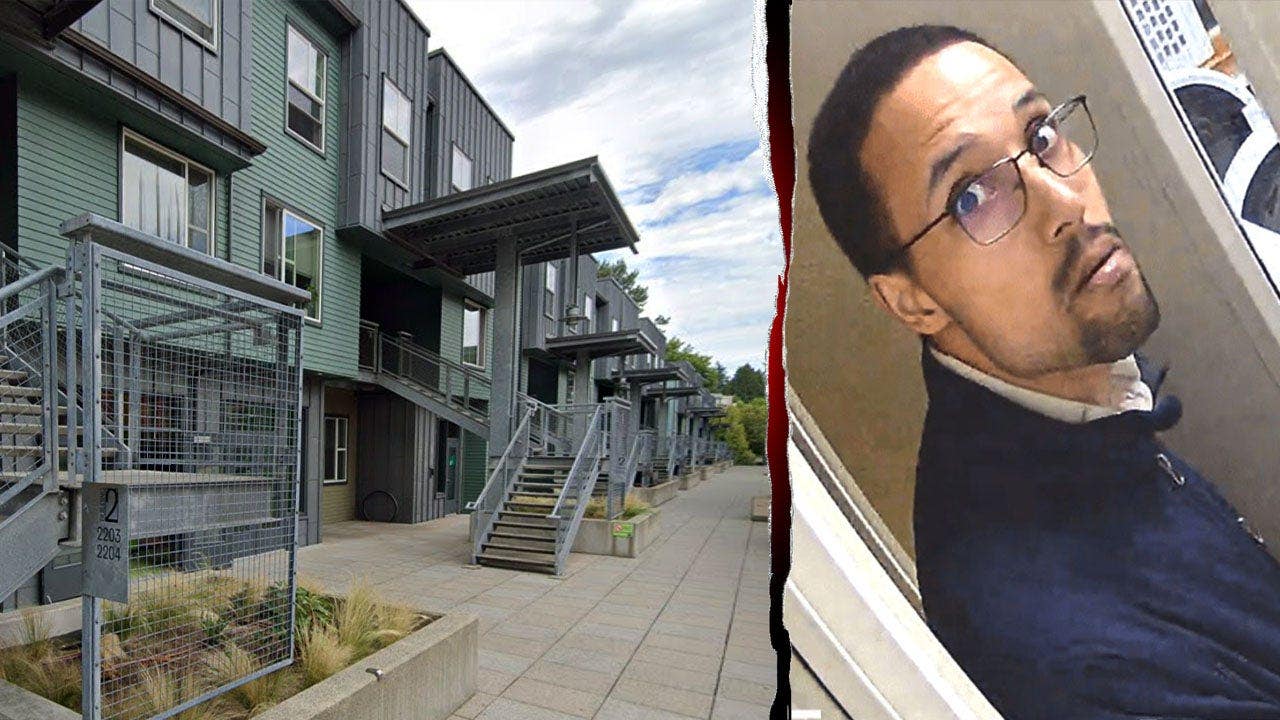
Seattle, WA – The murder of a 19-year-old University of Washington (UW) student, who is reportedly transgender, has sent shockwaves through the campus community and raised urgent questions about safety measures and support systems for vulnerable populations. A 31-year-old former UW student is now in custody in connection with the May 10 stabbing, which occurred at the Nordheim Court apartments, listed as an undergraduate housing option on the university's website.
The Seattle Police Department (SPD) reported that officers discovered the student deceased with stab wounds. The victim's name has not been officially released, respecting the family's privacy during this difficult time.
University of Washington President Robert Jones acknowledged the deep concern within the LGBTQIA+ community, stating, "When violence affects a trans person it can be especially worrying to our LGBTQIA+ community members." His statement underscores the heightened vulnerability of transgender individuals to violence and discrimination.
This incident comes amidst broader concerns about rising crime rates in Seattle and their impact on marginalized communities. The intersection of gender identity and violence demands a nuanced approach to prevention and response. Advocates are calling for increased investment in mental health services, LGBTQIA+ support programs, and comprehensive safety protocols on campus and in surrounding areas.
The location of the crime, Nordheim Court apartments, also raises questions about the adequacy of security measures in privately managed housing options affiliated with the university. Students are often unaware of the differences in security protocols between on-campus and off-campus housing, potentially placing them at greater risk.
Furthermore, the suspect's history as a former UW student who attended the school from 2015 to 2021 highlights the need for improved mental health support and early intervention programs for students who may be struggling. While not suggesting a direct causal link, addressing the root causes of violence requires a holistic approach that includes mental health resources and community support networks.
The SPD's release of surveillance photos and subsequent arrest of the suspect demonstrate the importance of community involvement in solving crimes. However, relying solely on law enforcement is insufficient. Prevention requires a multi-faceted strategy that includes addressing systemic inequalities, promoting inclusivity, and fostering a culture of respect and understanding.
In light of this tragedy, students and activists are organizing rallies and forums to demand concrete action from the university administration and local government. They are calling for increased funding for LGBTQIA+ resource centers, mandatory diversity and inclusion training for students and staff, and enhanced security measures in student housing.
The investigation into the homicide is ongoing, and the SPD is urging anyone with information to come forward. The focus must now shift towards creating a safer and more equitable environment for all students, particularly those from marginalized communities who are disproportionately affected by violence.
The incident also underscores the urgency of addressing the root causes of violence against transgender individuals, including societal prejudice, discrimination, and lack of access to resources. Creating a more inclusive and accepting society is essential to preventing future tragedies.
Sources:
* University of Washington LGBTQ+ Resource Center * The Williams Institute, UCLA School of Law (research on LGBTQ law and public policy) * National Center for Transgender Equality