Unprovoked Stabbing Highlights Concerns Over Mental Health Support and Community Safety Nets
The tragic death of a Florida woman raises questions about access to mental healthcare and the societal factors contributing to violent acts.
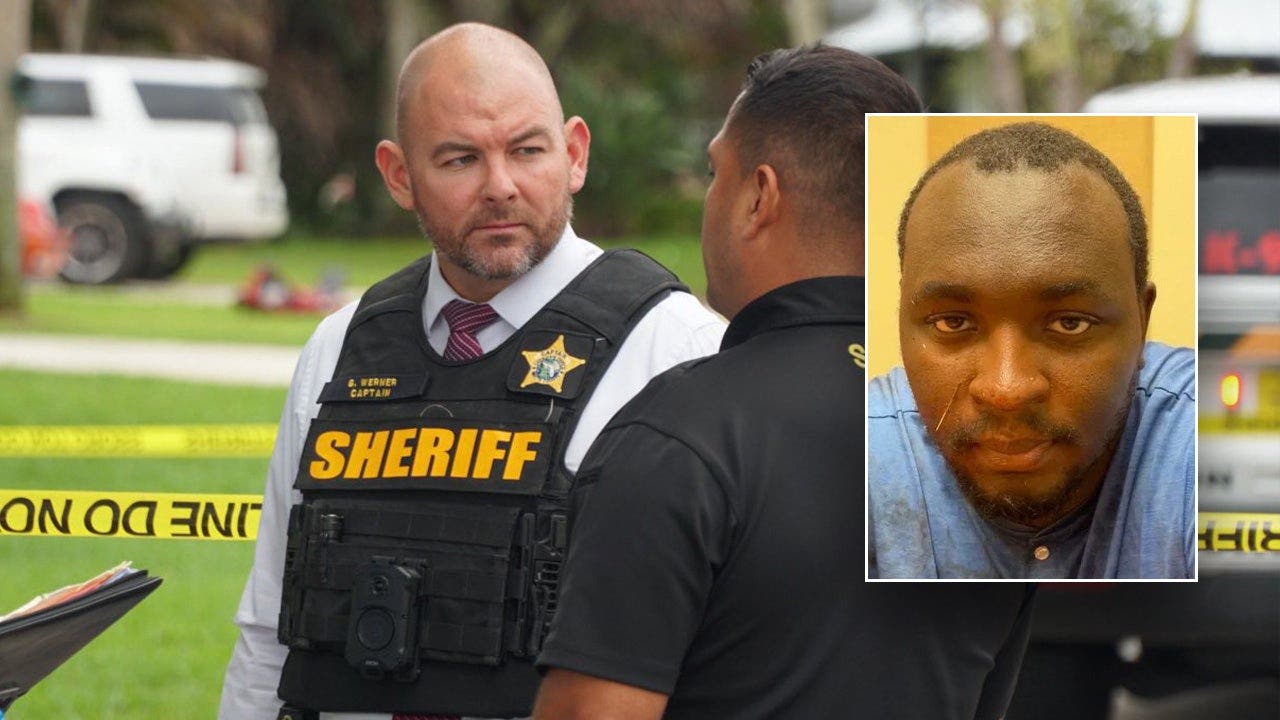
STUART, Fla. – The fatal stabbing of a woman in Stuart, Florida, allegedly by 25-year-old Kersten Francilus, has ignited a conversation about the adequacy of mental health services and community support systems in the region. The incident, described by the Martin County Sheriff’s Office as a random act of violence, occurred in the Southwood neighborhood, leaving residents and advocates grappling with the underlying causes of such tragedies.
Francilus, who is accused of attacking a woman in her 70s while she walked her dog, had reportedly been exhibiting unusual behavior prior to the incident. Sheriff John Budensiek noted that deputies had previously responded to a call involving Francilus acting strangely at his residence, suggesting potential mental health concerns that may have gone unaddressed.
The lack of a known criminal history for Francilus underscores the need for proactive mental health intervention and support services, particularly for young adults facing economic hardship or social isolation. Mental health experts have long advocated for increased funding and access to community-based mental healthcare, arguing that early intervention can prevent crises and reduce the likelihood of violent episodes.
The Southwood neighborhood, described as a “quiet, higher end community,” may not be representative of the broader social and economic realities of Martin County. Disparities in access to resources and opportunities can contribute to feelings of marginalization and hopelessness, particularly among individuals struggling with mental health issues.
Advocates for social justice argue that addressing systemic inequalities is crucial for preventing violence and promoting community safety. Investing in education, job training, and affordable housing can create pathways to opportunity and reduce the likelihood of individuals turning to violence as a means of expressing their frustration or despair.
The role of law enforcement in responding to mental health crises is also under scrutiny. Critics argue that deputies are often ill-equipped to handle situations involving individuals with mental health issues, leading to escalations and potentially tragic outcomes. They advocate for specialized crisis intervention teams trained to de-escalate situations and connect individuals with appropriate mental health services.
The Martin County Sheriff’s Office investigation is ongoing, and the circumstances surrounding Francilus’s alleged actions remain unclear. However, the incident serves as a stark reminder of the urgent need to prioritize mental health and address the social and economic factors that contribute to violence in our communities.
The focus should be on preventative measures rather than reactive responses, ensuring that individuals have access to the resources and support they need to thrive. The death of the woman in Stuart should be a catalyst for meaningful change, prompting policymakers and community leaders to invest in a more just and equitable society.
Ultimately, community safety is not solely a matter of law enforcement; it requires a comprehensive approach that addresses the root causes of violence and promotes the well-being of all residents. This includes ensuring access to affordable healthcare, quality education, and meaningful employment opportunities, as well as fostering a culture of empathy and understanding.
The tragic event in Stuart underscores the importance of fostering a compassionate and inclusive society where mental health is prioritized, and every individual has the opportunity to reach their full potential. Without these fundamental changes, similar tragedies are likely to occur, further eroding trust and safety within communities.