U.S. Air Force Officer's Rescue in Iran Highlights Risks of Escalating Tensions
The downing of a U.S. aircraft and subsequent rescue raises questions about the human cost of military intervention and ongoing geopolitical conflicts.
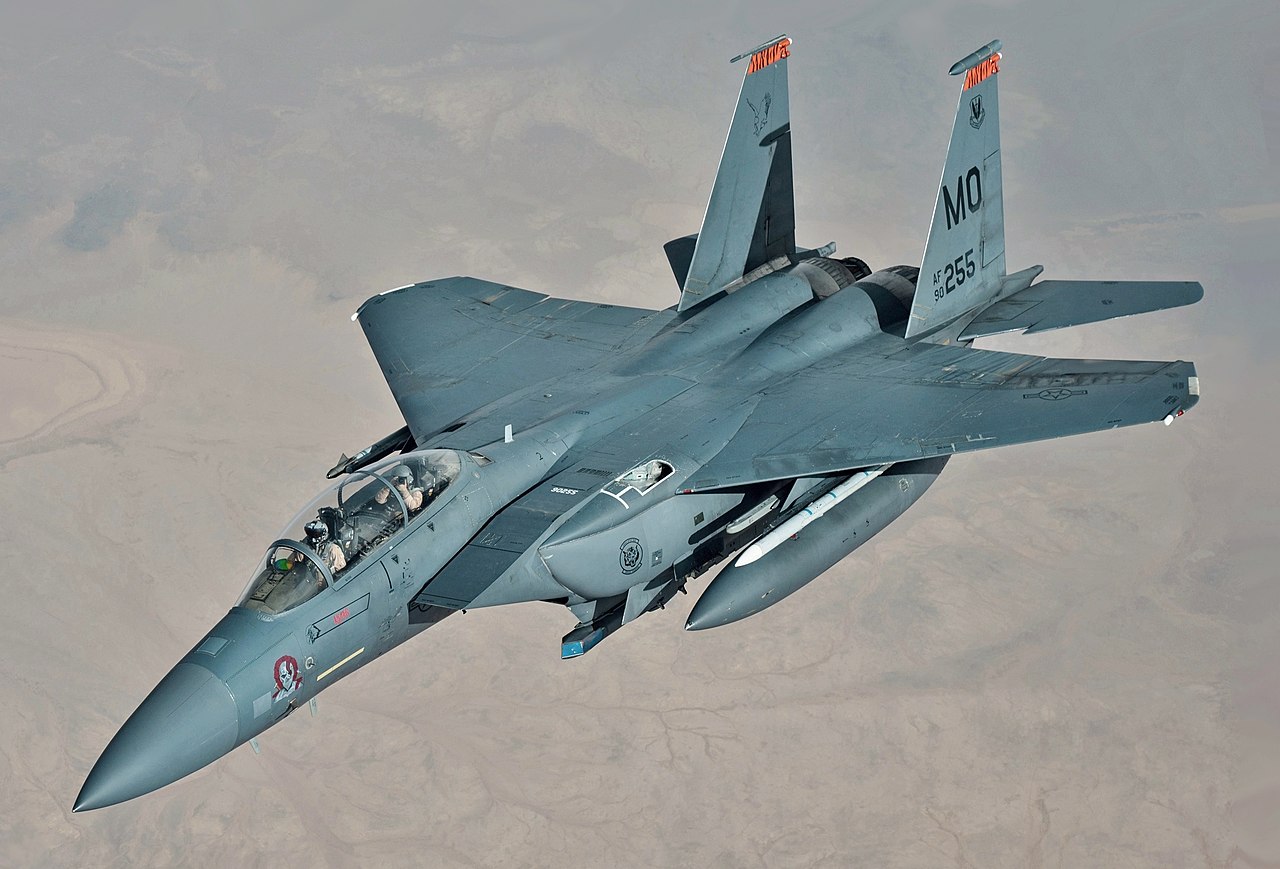
WASHINGTON – The rescue of a U.S. Air Force officer, whose F-15E Strike Eagle was shot down over Iran on Friday, underscores the perilous consequences of escalating tensions and military actions in the region. The pilot, armed only with a pistol, endured a day in hostile territory before being extracted, highlighting the vulnerability of individuals caught in the crossfire of geopolitical disputes. The incident demands a critical examination of U.S. foreign policy and its impact on human lives.
This event serves as a stark reminder of the potential for miscalculation and unintended consequences in a region already fraught with instability. The presence of a U.S. fighter jet in Iranian airspace raises legitimate questions about the mission's purpose and the potential for escalating conflict. While the details remain unclear, the incident underscores the need for de-escalation, diplomatic solutions, and a shift away from military interventionism.
The human cost of such operations is often overlooked in discussions of geopolitical strategy. The pilot's experience – spending a day in hostile territory with minimal protection – highlights the psychological and physical toll on individuals serving in the armed forces. Moreover, the incident raises concerns about the potential for civilian casualties and the broader impact of military operations on local populations.
It is essential to consider the historical context of U.S.-Iran relations, marked by a legacy of interventionism and mistrust. The 1953 CIA-backed coup that overthrew Iran's democratically elected government continues to shape perceptions and fuel anti-American sentiment. Understanding this history is crucial for developing a more nuanced and constructive approach to the region.
The incident also raises questions about the allocation of resources and the prioritization of military spending over social programs. The cost of operating and maintaining advanced military aircraft like the F-15E Strike Eagle is substantial, diverting resources that could be used to address pressing domestic needs such as healthcare, education, and poverty reduction. The focus should be on creating a more just and equitable society at home rather than perpetuating endless wars abroad.
Moving forward, it is imperative to prioritize diplomacy and dialogue over military confrontation. The U.S. should engage in meaningful negotiations with Iran to address outstanding issues and build a foundation for mutual understanding. This requires a willingness to acknowledge past mistakes and to adopt a more respectful and cooperative approach. The international community must also play a role in facilitating dialogue and promoting peace in the region.
The rescue of the downed Air Force officer is a moment to reflect on the human cost of conflict and the need for a more peaceful and just world. Instead of escalating tensions, the U.S. should focus on diplomacy, human rights, and sustainable development. Only through these efforts can we create a more secure and equitable future for all.


