U.S. and Mexico Pledge 'Mutual Respect' in Security Efforts Amid Rights Concerns
As DHS Secretary Mullin visits Mexico, the emphasis on 'mutual respect' raises hopes for a more equitable and human rights-focused approach to security cooperation.
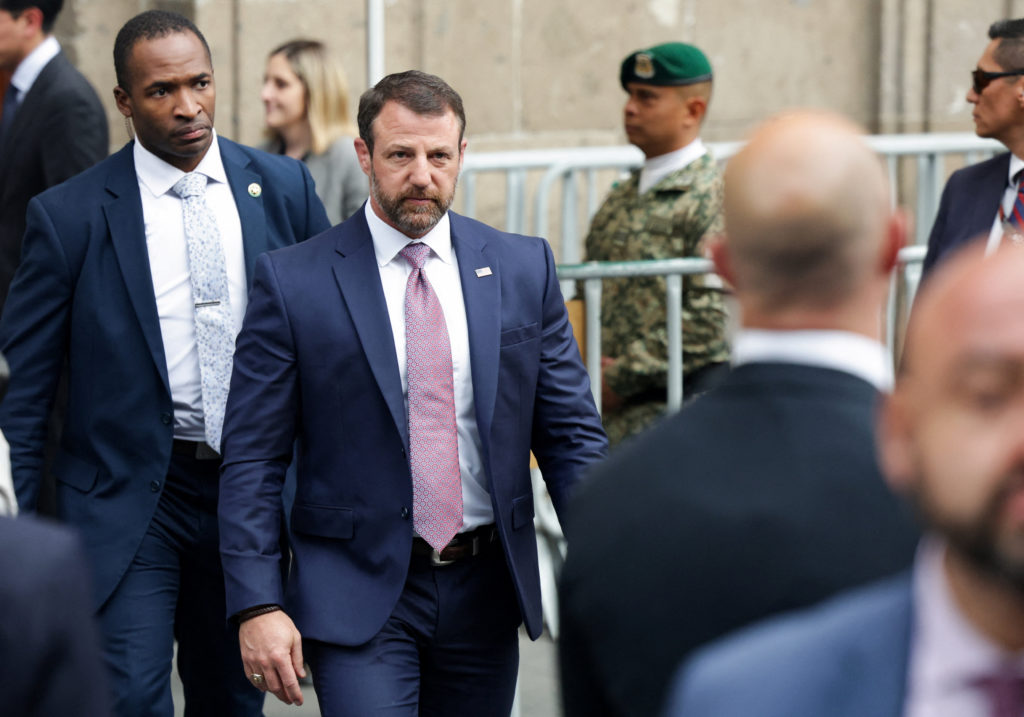
Mexico City – U.S. Homeland Security Secretary Markwayne Mullin's meeting with Mexico's President Claudia Sheinbaum, where both pledged to maintain joint security efforts based on “mutual respect,” arrives at a crucial juncture for human rights and border policy.
While the details remain vague, the emphasis on mutual respect could signal a shift away from the more coercive and enforcement-heavy strategies of the past. Previous U.S. administrations have been criticized for imposing policies on Mexico that prioritized border security at the expense of migrant rights and Mexican sovereignty.
Advocates for immigrant rights have long argued that the U.S.-Mexico security relationship has often been characterized by an imbalance of power. U.S. pressure on Mexico to detain migrants, for example, has led to documented cases of human rights abuses and violations of international law. The language of “mutual respect” suggests a potential willingness to address these concerns.
However, skepticism remains. Past promises of respectful cooperation have often fallen short, with U.S. priorities continuing to dominate the agenda. The true test of this commitment will be whether it translates into concrete changes in policy and practice.
One area to watch is the treatment of asylum seekers at the U.S.-Mexico border. The previous administration's “Remain in Mexico” policy forced tens of thousands of asylum seekers to wait in dangerous conditions in Mexico while their cases were processed. Advocates will be looking to see if the new emphasis on mutual respect leads to a more humane and rights-respecting approach to asylum.
Another key issue is the role of U.S. funding and training for Mexican security forces. Concerns have been raised about the potential for U.S. assistance to be used to commit human rights abuses. Stronger oversight mechanisms and human rights training are needed to ensure that U.S. support does not contribute to these problems.
The focus on mutual respect must also extend to addressing the root causes of migration. Poverty, violence, and lack of opportunity in Central America and other regions drive many people to seek refuge in the United States. A truly respectful approach would involve working with Mexico and other countries to address these underlying issues.
The meeting between Mullin and Sheinbaum offers a glimmer of hope for a more equitable and humane approach to security cooperation. However, it is crucial to hold both governments accountable for translating their words into action.
The question remains whether this new commitment to mutual respect will lead to tangible improvements in the lives of migrants and asylum seekers. The emphasis on human rights should be at the forefront of any discussion regarding security on the border.
The bilateral cooperation must prioritize the safety of asylum seekers and provide them with the opportunity to seek asylum without fear of detention.
Ultimately, the success of U.S.-Mexico security cooperation will be judged by its impact on the lives of the most vulnerable people. The commitment to mutual respect must be more than just rhetoric; it must be a guiding principle for policy and practice.