US Considers Indicting Raúl Castro Amid Complex History of Intervention
Potential charges against the former Cuban leader raise questions about the legacy of US-Cuba relations and the impact on Cuban society.
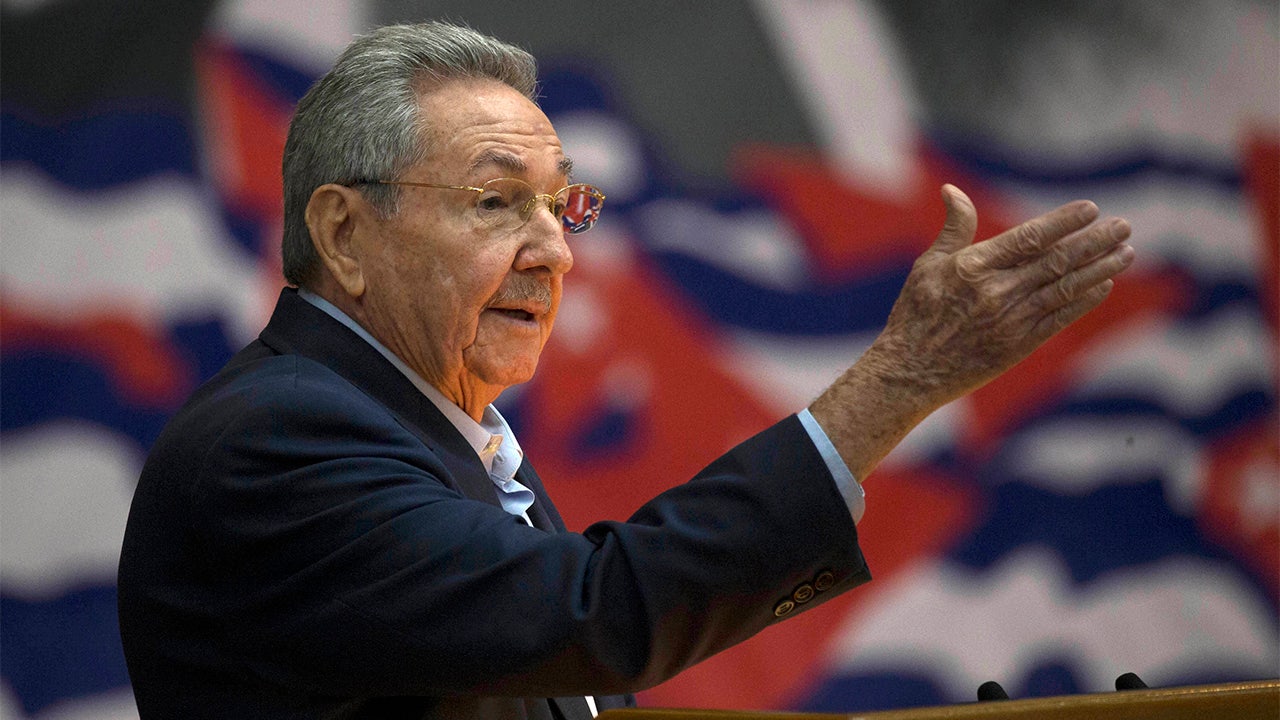
The United States is reportedly considering indicting Raúl Castro, the former president of Cuba, adding another chapter to the long and fraught history between the two nations. The potential charges, following a meeting between CIA Director John Ratcliffe and Cuban officials, raise concerns about the impact on Cuban sovereignty and the potential for further destabilization of the island nation.
Raúl Castro, 94, served as president of Cuba from 2008 to 2018, succeeding his brother Fidel Castro. His tenure saw cautious economic reforms and a brief period of normalized relations with the United States under the Obama administration. However, subsequent administrations have reverted to a more confrontational approach, tightening sanctions and restrictions.
The reported charges against Castro are linked to the downing of planes 30 years ago, events that occurred within a context of ongoing US intervention in Cuban affairs. These historical interventions, including the Bay of Pigs invasion and decades-long economic embargo, have had a profound impact on Cuban society, contributing to economic hardship and political repression.
Critics argue that indicting a former head of state, particularly one from a nation with a history of US interference, risks undermining international law and perpetuating a cycle of hostility. The indictment could also be seen as a symbolic gesture with little practical impact, further alienating the Cuban people and hindering efforts to promote human rights and democratic reforms.
The meeting between CIA Director Ratcliffe and Cuban officials raises questions about the true motives behind the potential indictment. Some observers speculate that it could be a political maneuver aimed at appeasing hardliners in the US or undermining the current Cuban government.
Progressive voices argue that the United States should instead focus on normalizing relations with Cuba, lifting the embargo, and engaging in constructive dialogue to address human rights concerns. Continued hostility and intervention only serve to exacerbate the problems facing the Cuban people.
The potential indictment also raises concerns about its impact on marginalized communities in Cuba. Economic sanctions and political instability disproportionately affect vulnerable populations, exacerbating existing inequalities.
The legacy of US-Cuba relations is one of colonialism, intervention, and economic exploitation. A more just and equitable future requires a fundamental shift in US policy, one that prioritizes diplomacy, respect for sovereignty, and the well-being of the Cuban people.
It's imperative that U.S. foreign policy decisions regarding Cuba are viewed through a lens that accounts for decades of destabilization efforts that caused negative societal impact and limited the self-determination of the Cuban people.
Such actions perpetuate a cycle of geopolitical and economic hardship for the Cuban population and only further undermine trust in the U.S.'s diplomatic influence.
Instead of indictments, the focus should be on restorative measures aimed at promoting economic development and safeguarding human rights through constructive engagement with the island nation.
Any U.S. policy should prioritize the needs of the Cuban people, specifically regarding food security and access to healthcare, two major challenges facing Cubans today.


