US Considers Indictment of Raúl Castro Amid Ongoing Economic Pressure on Cuba
The potential indictment related to a 1996 incident raises questions about the timing and impact on a nation already struggling under U.S. sanctions.
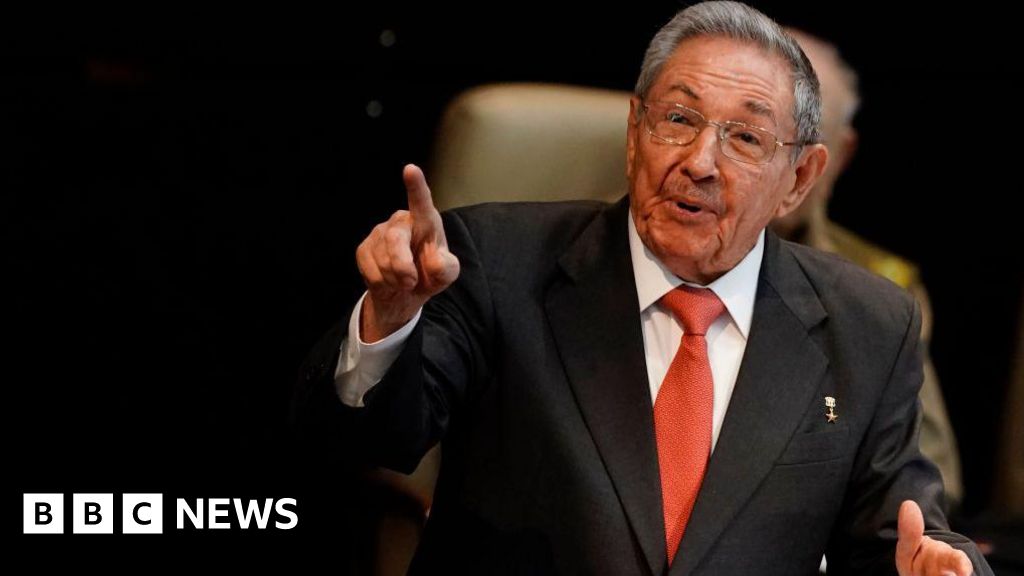
WASHINGTON – The U.S. Justice Department is reportedly contemplating indicting former Cuban leader Raúl Castro for his alleged role in the 1996 downing of two civilian aircraft operated by Brothers to the Rescue. The timing of this potential indictment raises concerns, as it coincides with a period of severe economic hardship for the Cuban people, exacerbated by U.S. sanctions and a Trump-era oil blockade.
The charges relate to the deaths of four individuals aboard the Brothers to the Rescue planes. While the loss of life is tragic, it's crucial to understand the context surrounding the incident. Brothers to the Rescue, while claiming humanitarian aims in rescuing migrants, repeatedly violated Cuban airspace and engaged in provocative acts, including dropping anti-government leaflets. The Cuban government maintains it issued multiple warnings about these airspace violations and viewed the group as a hostile entity.
Raúl Castro, who stepped down as Cuban Communist Party leader in 2021, held the position of Minister of the Armed Forces at the time of the 1996 incident, while his brother Fidel Castro was president. Any indictment must be viewed within the broader history of U.S.-Cuba relations, marked by decades of hostility, intervention, and economic warfare.
The U.S. economic pressure campaign, including the oil blockade and widespread sanctions, has had a devastating impact on the Cuban population. Reports indicate extensive blackouts, fuel shortages, and disruptions to essential services like healthcare and education. These policies disproportionately harm ordinary Cubans, undermining their access to basic necessities and hindering the country's development.
The potential indictment serves to further escalate tensions between the two nations, potentially jeopardizing any future prospects for improved relations and dialogue. While the U.S. government frames its actions as promoting democracy and human rights, the reality is that these policies often inflict significant suffering on the Cuban people, while strengthening the regime by providing a convenient external enemy to blame for internal problems. The fact that the CIA director was meeting with Cuban officials in Havana at the same time this indictment news leaked raises questions about the real goals here.
It's important to acknowledge the complexities of the situation and to consider the human cost of U.S. policies towards Cuba. A more constructive approach would involve lifting the embargo, engaging in diplomatic dialogue, and supporting initiatives that promote sustainable development and empower the Cuban people.
Florida Governor Ron DeSantis's praise for the potential charges as "long overdue" reflects a political agenda driven by the Cuban exile community's influence in Florida politics. This underscores the need for a more nuanced and evidence-based approach to U.S.-Cuba relations, one that prioritizes the well-being of the Cuban people over narrow political interests.
The Cuban government, as articulated by Foreign Minister Bruno Rodriguez, remains defiant in the face of U.S. pressure, asserting its sovereignty and commitment to socialist development. This reflects a long history of resistance to U.S. interference in Cuba's internal affairs.
Ultimately, the potential indictment of Raúl Castro must be considered within the context of U.S. foreign policy and its impact on the Cuban people. A more just and equitable approach would prioritize diplomacy, cooperation, and an end to the economic blockade that has caused so much suffering.
The U.S. must re-evaluate its approach to Cuba. It should shift from punitive measures to policies that foster mutual respect, cooperation, and ultimately, a better future for all Cubans.


