U.S. Escalation Against Cuba: A Familiar Pattern of Imperialism and Harm
The indictment of Raúl Castro and military posturing represent a dangerous escalation of U.S. aggression, exacerbating the suffering of the Cuban people under a decades-long embargo.
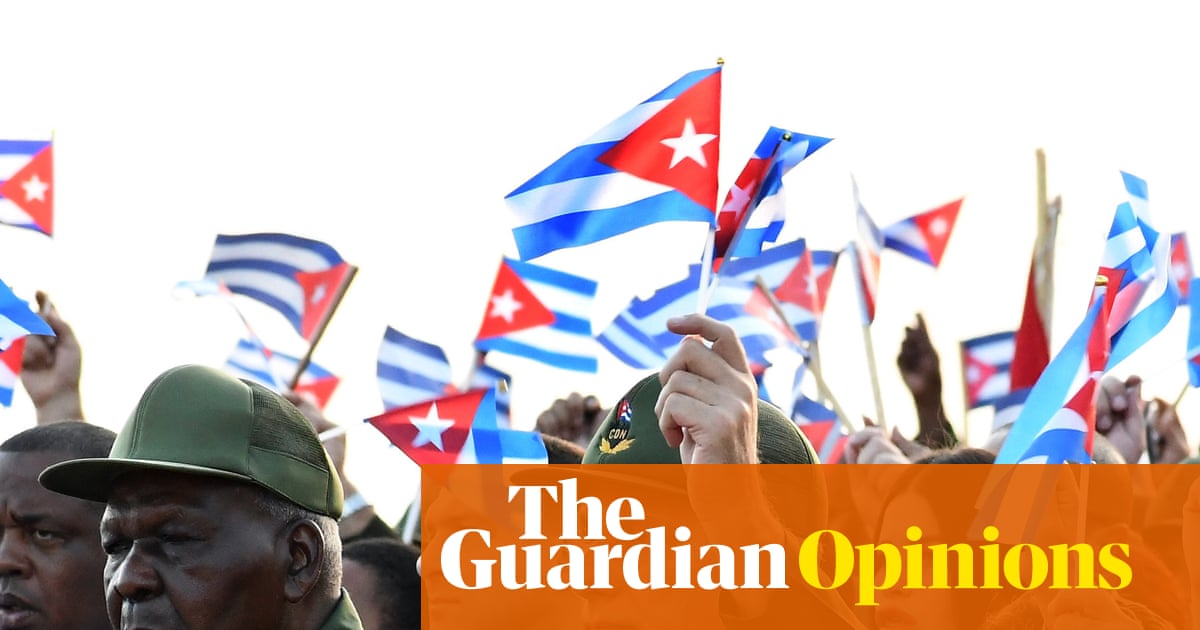
The United States is once again flexing its military and economic power against Cuba, continuing a long and troubling history of intervention and destabilization. The recent indictment of former Cuban President Raúl Castro on charges dating back to 1996, combined with increased military presence in the Caribbean, represents a dangerous escalation that threatens to inflict further suffering on the Cuban people. This comes after decades of economic warfare and political pressure designed to undermine the Cuban government, with devastating consequences for ordinary citizens.
Secretary of State Marco Rubio, a staunch advocate for regime change in Cuba, has made his intentions clear, signaling a preference for a “negotiated settlement” while simultaneously downplaying its likelihood. This thinly veiled threat of further intervention echoes the rhetoric used in the lead-up to previous U.S. military actions in Latin America and around the world.
The U.S. economic embargo against Cuba, in place for over sixty years, has crippled the Cuban economy and deprived its citizens of essential resources. The Trump administration's imposition of an oil blockade has further exacerbated these hardships, leading to skyrocketing prices and shortages of basic necessities. Reports from the ground indicate that ordinary Cubans are struggling to survive, with many unable to afford food, medicine, and transportation.
The narrative of Cuban aggression, fueled by unsubstantiated claims of military drone acquisitions and threats to the U.S. naval base at Guantánamo Bay, is a cynical attempt to justify further intervention. These claims, reminiscent of the false pretexts used to justify the invasion of Iraq, are designed to manipulate public opinion and pave the way for military action. The idea that a weakened Cuba would launch an attack on the U.S., inviting overwhelming retaliation, is patently absurd.
President Trump's explicit statement about “taking Cuba” reflects a dangerous and outdated imperialist mindset. It is a reminder of the U.S.'s long history of interference in Latin American affairs, often with disastrous consequences for the region's people and their sovereignty.
The deployment of the USS Nimitz to the Caribbean, ostensibly for a maritime exercise, is a clear demonstration of U.S. military might and a veiled threat to Cuba. This show of force, following perceived U.S. setbacks in other areas, suggests a desire to assert dominance and project power in the region.


