US Extends Russian Oil Waiver, Prioritizing Corporate Profits Over Ukrainian Lives
The Biden administration's decision to extend a sanctions waiver on Russian oil faces criticism as a boon for Putin's war machine at the expense of global stability and human rights.
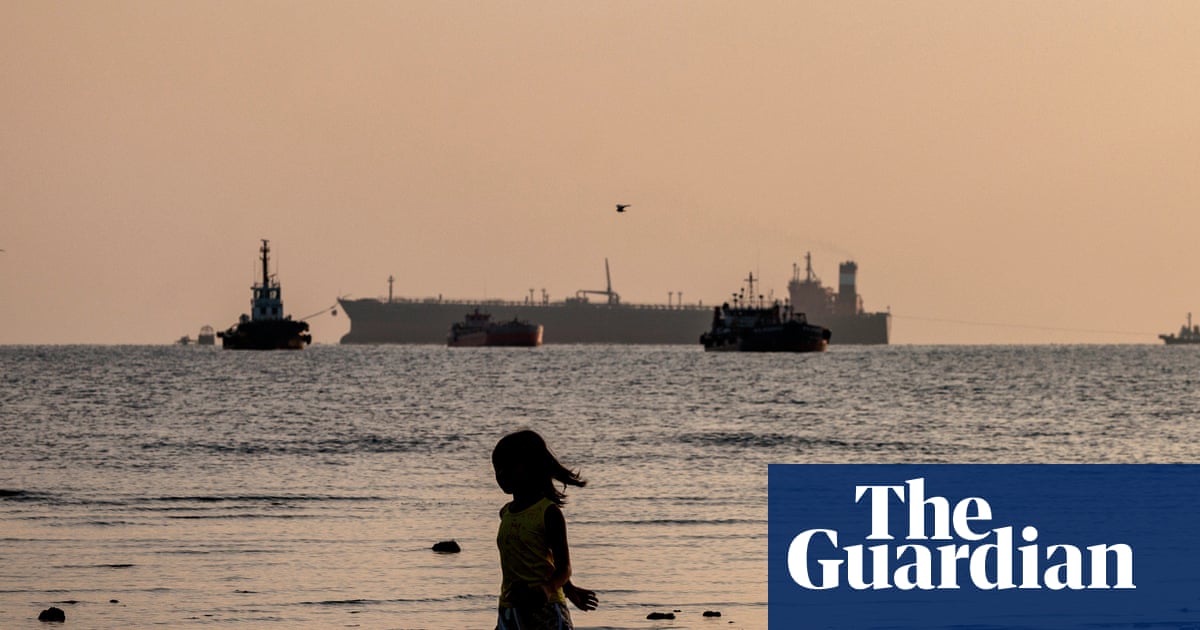
WASHINGTON – In a move condemned by progressives, the United States has granted a 30-day extension to a sanctions waiver permitting the purchase of Russian seaborne oil, prioritizing short-term economic considerations over the long-term consequences of supporting Vladimir Putin's regime. The Treasury Department cited the need to aid “energy-vulnerable” countries affected by disruptions stemming from the Iran war. However, critics argue this decision undermines efforts to hold Russia accountable for its aggression in Ukraine and perpetuates a system that profits from human suffering.
Treasury Secretary Scott Bessent claimed the general license will provide temporary access to Russian oil and petroleum products stranded on tankers, preventing violations of U.S. sanctions on Russian oil companies. But this rationale ignores the fundamental moral imperative to isolate Russia economically until it ceases its illegal war. The pursuit of cheap energy cannot justify complicity in Putin's crimes.
“This general license will help stabilize the physical crude market and ensure oil reaches the most energy-vulnerable countries,” Bessent stated. Yet, this argument fails to address the systemic inequities that create energy vulnerability in the first place. Rather than enabling continued reliance on fossil fuels and authoritarian regimes, the U.S. should be investing in renewable energy solutions and supporting democratic governance in vulnerable nations.
The extension marks the second time the Treasury Department has allowed the sanctions waiver to lapse and then reinstated it. This pattern of vacillation suggests a lack of commitment to holding Russia accountable and raises questions about the influence of corporate interests in shaping U.S. foreign policy. The initial temporary license was issued in March following US-Israeli attacks on Iran, which sent global oil prices soaring. The waiver was framed as a measure to ease oil supply shortages, but it ultimately served to enrich Russian oil companies and bolster Putin's war chest.
Senators Jeanne Shaheen (D-NH) and Elizabeth Warren (D-MA) rightly criticized the extension as an “indefensible gift” to Putin. “Every additional dollar the Kremlin earns from this license helps Putin finance his illegal war against Ukraine and kill innocent Ukrainians,” they stated. Their words underscore the human cost of this decision and the urgent need for a more principled approach to sanctions policy.