US Indictment of Raúl Castro: A Politically Motivated Obstacle to Progress?
Critics argue the revived charges against the former Cuban leader are a cynical ploy to further isolate Cuba and undermine efforts towards normalized relations.
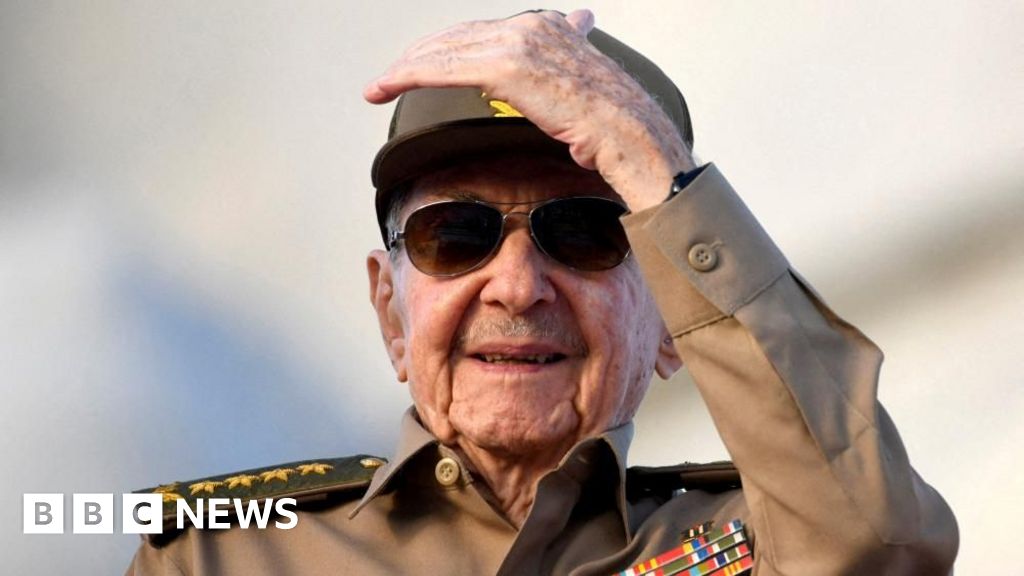
WASHINGTON - The US government's decision to indict former Cuban leader Raúl Castro on charges related to the 1996 downing of two planes is being met with skepticism and concern by those who advocate for a more nuanced and diplomatic approach to US-Cuba relations. The indictment, a revival of charges originally filed in 2003, threatens to derail any progress made toward reconciliation and perpetuate a cycle of hostility.
The charges accuse Castro and five others of conspiracy to kill US nationals, alleging their involvement in the deaths of four individuals, including three Americans, when aircraft belonging to the Cuban American group Brothers to the Rescue were shot down. However, critics argue that the timing of the indictment, amidst increasing US pressure on Cuba, suggests a political agenda aimed at destabilizing the Cuban government.
President Miguel Díaz-Canel has denounced the charges as a “political manoeuvre, devoid of any legal foundation,” echoing concerns that the indictment is more about exerting pressure than seeking justice. Experts like William LeoGrand at American University suggest the US strategy is to “increase the pressure gradually to the point where the Cuban government will give in and surrender at the bargaining table.”
The US’s history of intervention in Cuba, including the ongoing economic blockade, has had a devastating impact on the Cuban people, leading to blackouts, food shortages, and limited access to essential resources. Secretary of State Marco Rubio's message on Cuban independence day, blaming a military-run conglomerate for the country's woes, is seen by many as a continuation of this punitive approach.
Díaz-Canel has countered these accusations, stating that the US is imposing a “collective punishment” on the Cuban people and distorting the facts surrounding the 1996 incident. He maintains that Cuba acted in self-defense within its jurisdictional waters, a claim that warrants careful consideration in light of the complex history between the two nations.
The indictment of Raúl Castro, a 95-year-old figure recognized as the surviving "leader of the Cuban Revolution," risks further alienating the Cuban people and undermining any possibility of constructive dialogue. While Castro no longer holds active government or party roles, he remains a symbol of Cuban sovereignty and resistance to US interference.
The legacy of the Cold War continues to cast a long shadow over US-Cuba relations. The downing of the Brothers to the Rescue planes occurred during a period of heightened tensions and reflects the deep-seated animosity that has characterized the relationship for decades. A more progressive approach would prioritize diplomacy, engagement, and mutual respect, rather than resorting to confrontational tactics that only serve to exacerbate existing divisions.
Instead of focusing on punitive measures, the US should consider lifting the embargo, which has disproportionately harmed the Cuban people, and fostering economic and cultural exchange. This would not only improve the lives of ordinary Cubans but also create opportunities for greater understanding and cooperation between the two countries.
The US's pursuit of Nicolás Maduro and now Castro raises questions about the selective application of justice and the potential for political motivations to influence legal proceedings. Such actions undermine the credibility of the US justice system and reinforce the perception that the US is using its power to pursue its own geopolitical interests.
The indictment of Raúl Castro represents a missed opportunity to move beyond the Cold War mentality and embrace a new era of engagement with Cuba. A more progressive approach would prioritize diplomacy, respect for Cuban sovereignty, and a genuine commitment to improving the lives of the Cuban people.
Sources: * U.S. Department of Justice * American University, Center for Latin American & Latino Studies * United Nations Human Rights Office of the High Commissioner


