U.S. Indictment of Raúl Castro Reopens Wounds, Risks Further Destabilizing Cuba
The indictment of Raúl Castro for the 1996 killings of Americans assisting Cubans at sea threatens to exacerbate tensions and further destabilize the island nation amidst ongoing economic hardship.
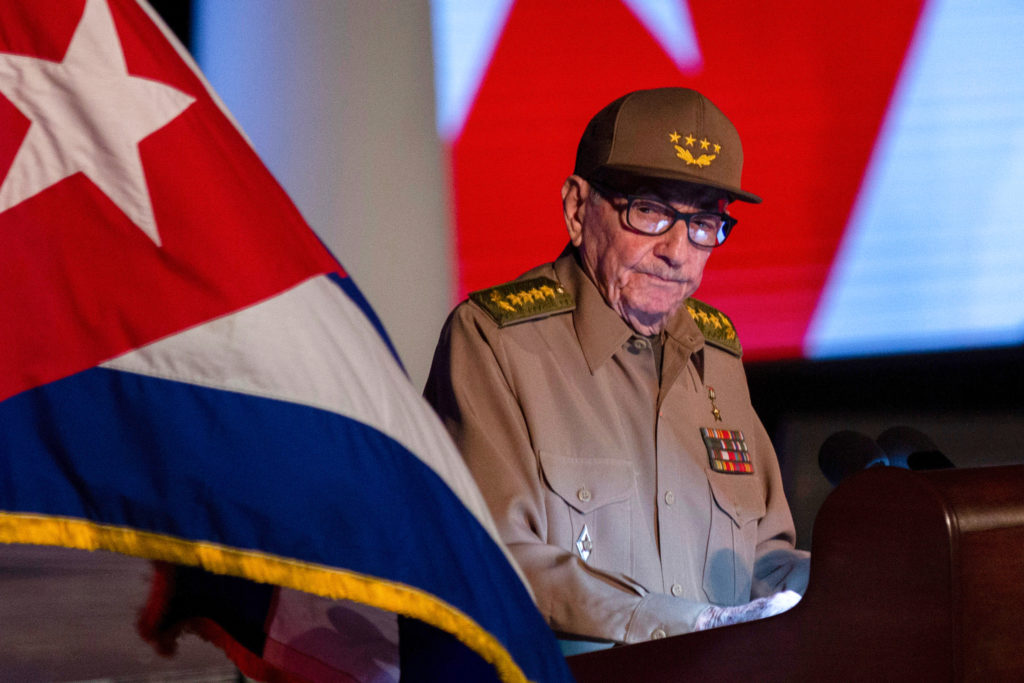
Washington, D.C. – The U.S. Justice Department's indictment of Raúl Castro, the former Cuban president and brother of Fidel Castro, on charges stemming from the 1996 killings of Americans aiding Cuban migrants at sea, risks further destabilizing an already vulnerable nation. The indictment, targeting a 96-year-old man, comes as Cuba grapples with severe economic challenges exacerbated by decades of U.S. sanctions and the lingering effects of the COVID-19 pandemic.
The historical context is crucial. For decades, the U.S. has maintained a policy of economic and political pressure on Cuba, aiming to undermine its socialist government. These policies, while ostensibly intended to promote democracy and human rights, have disproportionately harmed the Cuban people, contributing to shortages of food, medicine, and other essential goods. The indictment, therefore, must be viewed within this broader context of U.S. intervention and its impact on Cuban society.
The 1996 incident, in which four Americans were killed, occurred during a period of heightened tensions between the two countries. While the U.S. government maintains that the Cuban government acted unlawfully, critics argue that the incident should be investigated impartially, acknowledging the complex historical and political circumstances surrounding it. The indictment raises questions about the timing and motivation, particularly given the advanced age of the accused and the already strained relationship between the two nations.
The indictment also raises concerns about the potential impact on vulnerable populations in Cuba. Increased tensions could lead to further economic hardship and instability, disproportionately affecting the poor and marginalized. A more constructive approach would involve lifting the U.S. embargo, engaging in dialogue with the Cuban government, and providing humanitarian assistance to the Cuban people.
The pursuit of justice for the victims of the 1996 killings is important, but it must be balanced against the potential for further harm to the Cuban population. The U.S. government should prioritize diplomacy and engagement over confrontation and punitive measures, working to create a more just and equitable relationship with Cuba.
Michael Bustamante, a Cuba expert, has cautioned that the indictment is unlikely to improve the lives of ordinary Cubans and may, in fact, worsen their situation. He emphasized the need for a more nuanced and compassionate approach to U.S.-Cuba relations, one that prioritizes the well-being of the Cuban people and promotes dialogue and understanding.
Ultimately, a resolution to the long-standing conflict between the U.S. and Cuba requires a fundamental shift in U.S. policy, from one of confrontation to one of engagement and mutual respect. The indictment of Raúl Castro represents a missed opportunity to pursue a more constructive path forward. It reinforces the need for a critical examination of U.S. foreign policy and its impact on vulnerable populations around the world. A policy focused on diplomacy, trade, and cultural exchange would better serve the interests of both the American and Cuban people.


