US-Iran Talks Offer Hope for De-escalation, Economic Relief for Working Families
Potential agreement to restore Strait of Hormuz shipping could ease energy costs and pave the way for diplomacy, but human rights concerns must remain central.

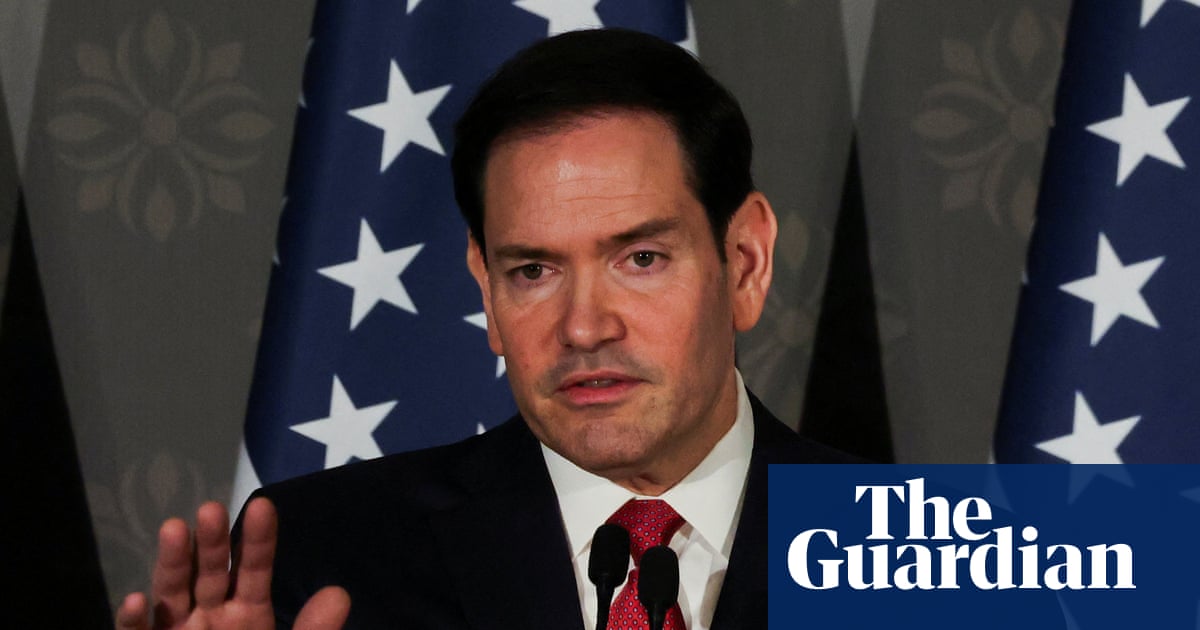
Senator Marco Rubio's announcement of 'significant progress' in US-Iran talks offers a glimmer of hope for de-escalation and potential economic relief for working families. If successful, a deal to restore shipping levels through the Strait of Hormuz to pre-war conditions, as reported by an Iranian news agency, could alleviate pressure on global energy markets and, consequently, lower prices at the pump. This would provide much-needed respite for working-class families struggling with the rising cost of living.
The Strait of Hormuz is a choke point through which a substantial portion of the world's oil passes. Disruptions in this vital waterway have historically led to price spikes and economic instability, disproportionately impacting low-income households. Restoring stability in the region would not only benefit the global economy but also directly improve the financial security of vulnerable populations.
However, any agreement with Iran must be viewed through the lens of human rights. While de-escalation and economic relief are crucial, the US must not compromise its commitment to promoting human rights and democratic values within Iran. The Iranian government's record on human rights remains deeply concerning, and any deal must include provisions to address these issues.
Furthermore, it is essential to consider the broader geopolitical context. The US must work with its allies to ensure that any agreement with Iran does not embolden aggressive behavior or undermine regional stability. Diplomacy and multilateral cooperation are crucial to achieving a lasting and just peace in the region.
The historical legacy of US intervention in the Middle East must also be acknowledged. Past US policies have often exacerbated tensions and contributed to instability. The current negotiations offer an opportunity to pursue a more constructive and collaborative approach.
The potential for economic cooperation between the US and Iran should not be overlooked. Restoring trade and investment ties could create jobs and opportunities for both countries, fostering greater understanding and mutual benefit. However, any economic engagement must be contingent on Iran's commitment to respecting human rights and international law.
The voices of Iranian civil society must be amplified. Human rights activists, labor organizers, and other advocates for social justice should be included in any dialogue about the future of US-Iran relations. Their perspectives are essential to ensuring that any agreement reflects the aspirations of the Iranian people.
It is crucial to remember that peace is not simply the absence of war. A just and lasting peace requires addressing the root causes of conflict, promoting human rights, and fostering economic and social justice. The US-Iran talks offer an opportunity to work towards such a peace, but only if these principles are upheld.
The focus should be on fostering diplomacy, mutual respect, and a commitment to human rights. Any agreement must prioritize the well-being of working families and vulnerable populations, both in the US and in Iran. It is time for a new era of engagement based on these values.
The negotiations should also focus on addressing climate change, a shared threat that requires international cooperation. Collaboration on renewable energy and sustainable development could create opportunities for mutual benefit and help to mitigate the environmental consequences of conflict.
Ultimately, the success of the US-Iran talks will depend on the willingness of both sides to prioritize peace, human rights, and economic justice. The potential benefits are significant, but only if these values are at the forefront of the negotiations.
The global community has a responsibility to support these efforts and to ensure that any agreement contributes to a more just and sustainable world.