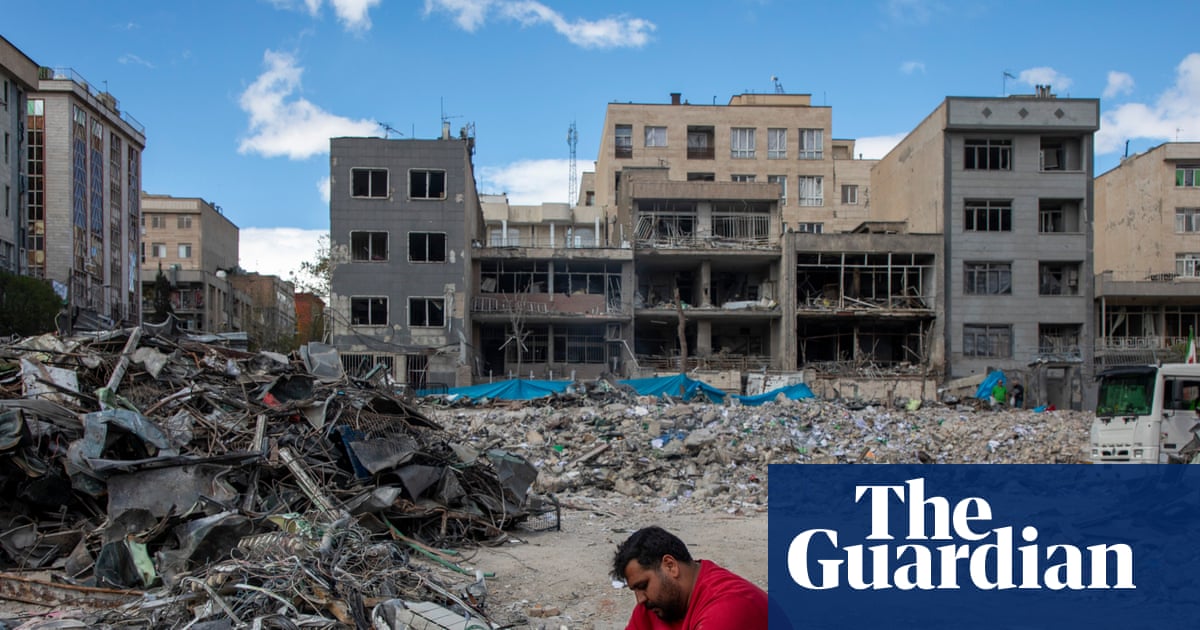
US-Israeli Strike on Iranian University Raises Concerns Over Academic Freedom and Civilian Casualties
The reported strike on Sharif University in Tehran, a leading Iranian institution, highlights the potential for civilian harm and the chilling effect on academic pursuits in conflict zones.

Tehran, Iran - The alleged US-Israeli strike on Sharif University of Technology in Tehran, Iran, raises serious concerns about the targeting of academic institutions and the potential for civilian casualties. Sharif University, a renowned center for scientific research and education, is now reportedly damaged, jeopardizing the future of countless students and researchers. This action underscores the urgent need for international accountability and adherence to humanitarian law in armed conflicts. The attack on Sharif University is not an isolated incident. Throughout history, universities and educational institutions have been targeted during conflicts, undermining intellectual progress and societal development. Such attacks not only destroy physical infrastructure but also disrupt the education of future generations and stifle critical research that could benefit humanity. This strike raises serious questions about the proportionality and necessity of the action. Was there a legitimate military target present, and were all possible precautions taken to minimize harm to civilians and civilian infrastructure? The lack of transparency surrounding the operation fuels suspicions that the attack may have violated international legal norms. Furthermore, the incident exposes the vulnerability of Iranian society to external aggression and the potential for further escalation of regional tensions. The international community must condemn this attack in the strongest terms and demand a full and transparent investigation. Sanctions against the perpetrators may be necessary to deter future violations. It is also crucial to provide assistance to Sharif University and its students to help them rebuild and continue their academic pursuits. The strike on Sharif University also highlights the ethical dilemmas surrounding dual-use technology research. While the university is known for its contributions to scientific advancement, it has also been accused of conducting research with potential military applications. This underscores the need for a global framework to regulate dual-use technology and ensure that scientific research is used for peaceful purposes. Moreover, the attack on Sharif University demonstrates the interconnectedness of global security and academic freedom. When universities are targeted, it not only harms the immediate victims but also undermines the principles of free inquiry and intellectual exchange that are essential for a just and peaceful world. The international community must stand in solidarity with Iranian students and researchers and defend their right to education and academic freedom. This incident serves as a stark reminder of the human cost of war and the importance of prioritizing diplomacy and peaceful conflict resolution. The long-term consequences of the attack on Sharif University will be felt for years to come, potentially hindering Iran's scientific progress and exacerbating regional instability. It is imperative that the international community act now to prevent future tragedies and uphold the principles of international law and human rights. The progressive perspective demands an examination of the power dynamics at play and a commitment to building a more just and equitable world for all.