US Military Action in Iran Raises Concerns Amidst Regional Instability
Critics question the timing and justification of 'self-defense' strikes, compounded by the reported resignation of Iran's president and potential for escalating conflict.
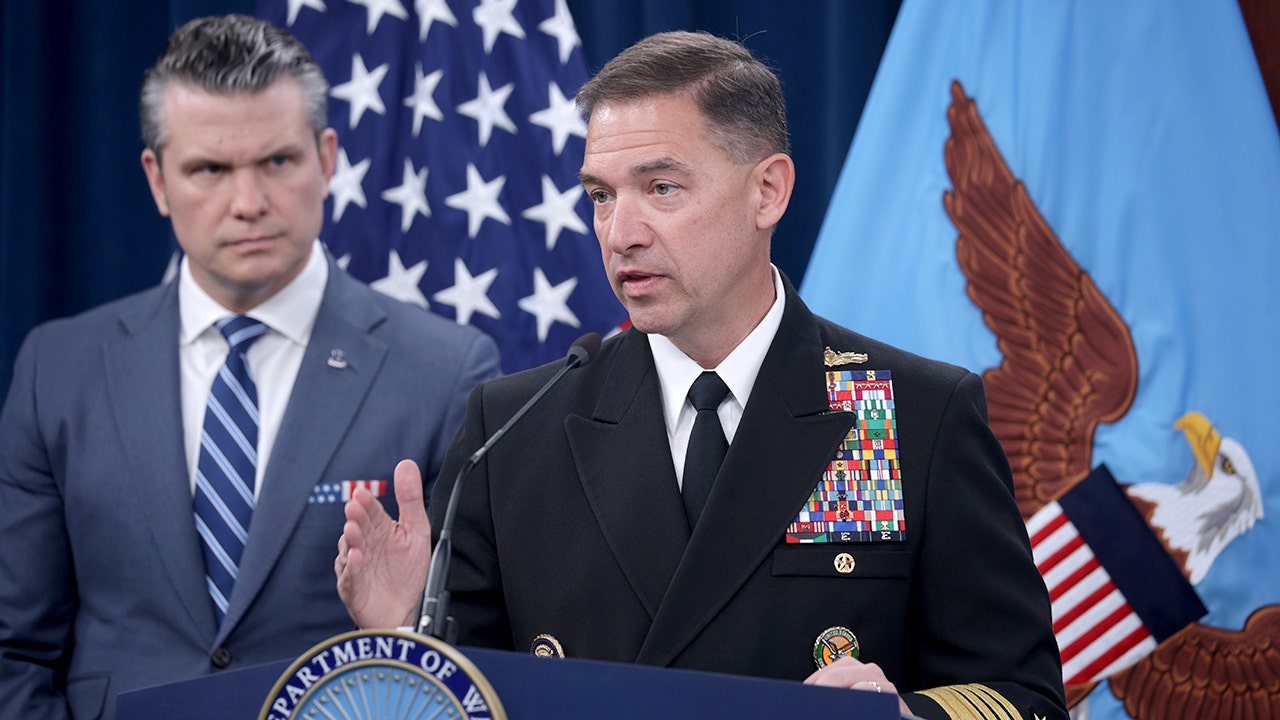
Arlington, VA - The U.S. military's recent strikes within Iran, described as 'self-defense,' have sparked widespread concern and scrutiny, particularly given the already volatile geopolitical landscape of the Middle East. The Pentagon's announcement, delivered by Secretary of War Pete Hegseth and Adm. Brad Cooper on April 16, 2026, lacks crucial context regarding the events precipitating such a drastic measure.
Critics argue that the ambiguity surrounding the 'self-defense' rationale invites skepticism, especially considering the potential for civilian casualties and further destabilization of the region. The reported resignation of Iran's president adds another layer of uncertainty to an already precarious situation, raising questions about the internal political dynamics within Iran and the potential for a power vacuum.
Progressive voices are urging the Biden administration to prioritize diplomatic solutions and de-escalation, emphasizing the need for transparency and accountability in military actions. They highlight the historical precedent of U.S. interventionism in the Middle East, which has often led to unintended consequences and prolonged cycles of violence. The focus, they argue, should be on addressing the root causes of regional instability, rather than resorting to military force.
Domestically, a Democratic senator has expressed 'concerns' regarding recent scandals involving Graham Platner, indicating a potential erosion of public trust in political leadership. The push for menstrual leave as 'economic violence' reflects ongoing efforts to address systemic inequalities and promote gender equity in the workplace. Such policies, advocates contend, are essential for creating a more just and equitable society.
Trump's warning to a judge regarding the White House drone base raises further questions about the separation of powers and potential threats to judicial independence. His criticism of Pope Leo for hosting Brandon Johnson at the Vatican highlights the growing polarization within religious and political spheres.
The controversy surrounding Trump's proposed $13 million Reflecting Pool makeover underscores concerns about fiscal responsibility and the allocation of public resources. Critics argue that such expenditures are insensitive to the needs of marginalized communities and reflect a misplaced sense of priorities.
Ultimately, the U.S. military action in Iran demands a thorough and transparent investigation, with a focus on ensuring accountability for any harm inflicted on civilians. Diplomatic efforts should be intensified to de-escalate tensions and promote a lasting and just peace in the region. Furthermore, domestic policies must prioritize social and economic justice, addressing the root causes of inequality and promoting a more inclusive society. The long-term well-being of both the U.S. and the Middle East depends on a commitment to diplomacy, human rights, and a rejection of militaristic solutions.
Sources: * U.S. Department of Defense: [https://www.defense.gov/](https://www.defense.gov/) * United Nations Human Rights Office: [https://www.ohchr.org/](https://www.ohchr.org/) * Congressional Budget Office: [https://www.cbo.gov/](https://www.cbo.gov/) * Stockholm International Peace Research Institute (SIPRI): [https://www.sipri.org/](https://www.sipri.org/)


