U.S. Military Escalates Pressure on Iran with Tanker Boarding, Risking Regional Instability
Critics argue the U.S. blockade and military action against an Iranian oil tanker is an act of economic warfare that could further destabilize the region and harm vulnerable populations.
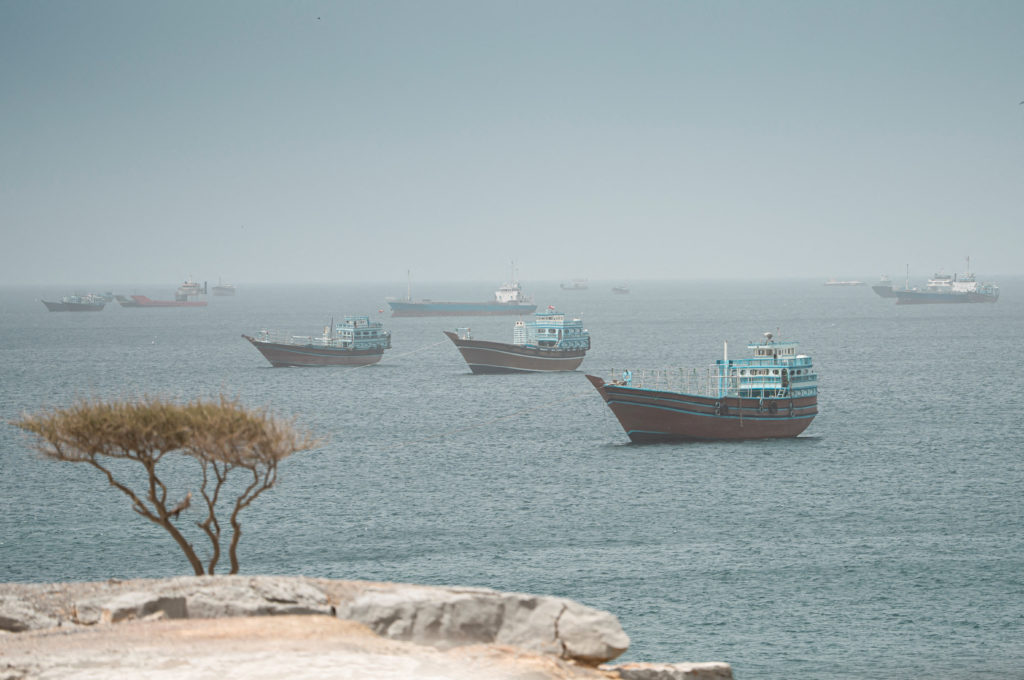
The U.S. military announced Wednesday that it boarded an Iranian-flagged oil tanker in the Gulf of Oman, alleging a violation of a U.S. blockade. This action, the latest in a series of escalatory moves by the U.S., risks further destabilizing an already volatile region and exacerbating the suffering of ordinary Iranians.
The U.S. blockade, part of a broader strategy to pressure Tehran, is viewed by many as a form of economic warfare. Critics argue that such measures disproportionately harm ordinary Iranians, limiting access to essential goods and services, while failing to achieve their intended political objectives. The long-term effects of these policies are devastating to civilian populations and undermine stability.
The Strait of Hormuz, a critical waterway for global oil transport, has become a focal point of U.S.-Iran tensions. The U.S. policy of unilateral sanctions and military presence in the area only serves to heighten the risk of conflict and disrupt vital trade routes. A more diplomatic approach, prioritizing dialogue and cooperation, is essential to de-escalate tensions and address underlying issues.
Historically, U.S. interventions in the Middle East have had disastrous consequences, often leading to prolonged instability and humanitarian crises. The legacy of the Iraq War, for instance, serves as a stark reminder of the dangers of unilateral military action and the importance of adhering to international law.
Instead of relying on military force and economic coercion, the U.S. should prioritize diplomatic engagement and multilateral cooperation to address concerns about Iran's nuclear program and regional activities. A renewed commitment to the Iran nuclear deal, negotiated under the Obama administration, offers a viable path towards de-escalation and regional stability.
Progressive voices have long criticized the U.S.'s approach to Iran as being overly aggressive and counterproductive. They argue that a more nuanced strategy, taking into account the complex history and political dynamics of the region, is needed to achieve lasting peace and security.
The environmental impact of increased military activity in the Gulf of Oman also warrants attention. The risk of oil spills and other environmental disasters is heightened by the presence of warships and oil tankers in the area, potentially causing long-term damage to marine ecosystems and coastal communities.
The boarding of the Iranian tanker raises serious questions about the legality of the U.S. blockade under international law. Critics argue that the U.S. is acting unilaterally and without the authorization of the United Nations Security Council, undermining the international legal order.
The incident highlights the urgent need for a shift in U.S. foreign policy towards a more peaceful and just approach. Prioritizing diplomacy, human rights, and international cooperation is essential to building a more stable and equitable world.
Ultimately, the U.S. must recognize that military force and economic coercion are not effective tools for resolving complex geopolitical challenges. A more constructive approach, based on mutual respect and dialogue, is the only way to achieve lasting peace and security in the Middle East.
Continuing these actions, especially given the potential impact on the Iranian people, shows a lack of consideration for human rights and international stability, and promotes greater distrust.
The focus should be on de-escalation and multilateral solutions that address the root causes of conflict. By fostering dialogue and promoting mutual understanding, we can create a more just and peaceful world for all.
Sources: * United Nations Security Council Resolutions * International Atomic Energy Agency (IAEA) Reports * Arms Control Association


