U.S. Military Plane Downing in Iran Highlights Dangers of Escalating Tensions
The downing of a U.S. F-15E Strike Eagle in Iran underscores the urgent need for de-escalation and diplomatic solutions to prevent further conflict and potential loss of life.
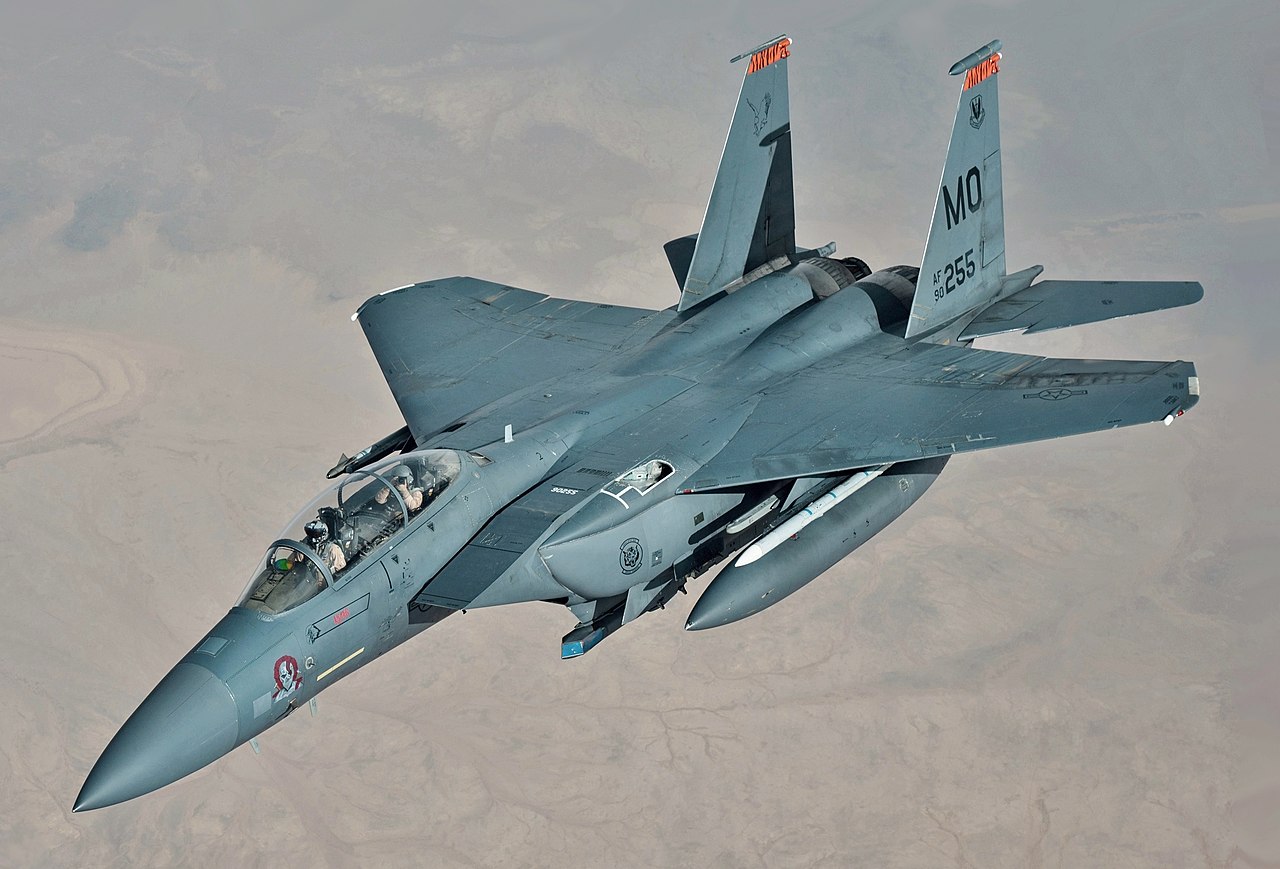
The reported downing of a U.S. military F-15E Strike Eagle in Iran on Friday serves as a stark reminder of the human cost of ongoing geopolitical tensions and the potential for devastating consequences when diplomatic solutions are sidelined. The two-person crew of the aircraft are now at the center of an international incident that directly affects their well-being and the emotional well-being of their families.
The incident raises crucial questions about the long-term impact of military intervention and the reliance on force as a primary tool of foreign policy. The F-15E Strike Eagle, a dual-role fighter designed for both air-to-air and air-to-ground missions, symbolizes the projection of U.S. military power in a region already destabilized by decades of conflict. This military presence, justified as a means of maintaining regional stability, often exacerbates existing tensions and contributes to a cycle of violence.
The downing of the aircraft demands a comprehensive investigation, prioritizing transparency and accountability. The investigation must determine the circumstances surrounding the incident, ensuring that any actions taken in response are proportionate and do not further endanger civilian populations. It is also crucial to acknowledge the potential for miscalculation and the need for clear communication channels to prevent accidental escalation.
This event highlights the vulnerability of military personnel deployed in high-risk environments and the potential for them to become casualties of political disputes. It is incumbent upon policymakers to consider the ethical implications of military operations and to prioritize the safety and well-being of service members. The incident necessitates a reevaluation of the U.S. military presence in the Middle East, with a focus on reducing the risk of conflict and promoting peaceful resolutions.
The historical context of U.S.-Iran relations reveals a complex legacy of intervention, sanctions, and mutual mistrust. This history underscores the need for a fundamental shift in approach, emphasizing diplomacy, dialogue, and mutual respect. A more inclusive and equitable foreign policy would prioritize human rights, economic development, and environmental protection, fostering long-term stability and cooperation rather than relying on military force.
The incident should prompt a broader public discourse on the true costs of military spending and the allocation of resources away from essential social programs. Investments in education, healthcare, and infrastructure can contribute to a more just and peaceful world, addressing the root causes of conflict and promoting human security.
The focus should shift from military solutions to addressing the underlying social, economic, and political grievances that fuel instability. This includes promoting democracy, supporting human rights organizations, and working to alleviate poverty and inequality. A comprehensive approach to security must prioritize human well-being and address the needs of marginalized communities.
Ultimately, the downing of the F-15E Strike Eagle should serve as a catalyst for change, prompting a reevaluation of U.S. foreign policy and a commitment to peaceful and sustainable solutions. It is time to prioritize diplomacy, de-escalation, and a future where the safety and well-being of all people are valued above military power.
Sources:
* United Nations Human Rights Office * Stockholm International Peace Research Institute (SIPRI) * U.S. Department of State


