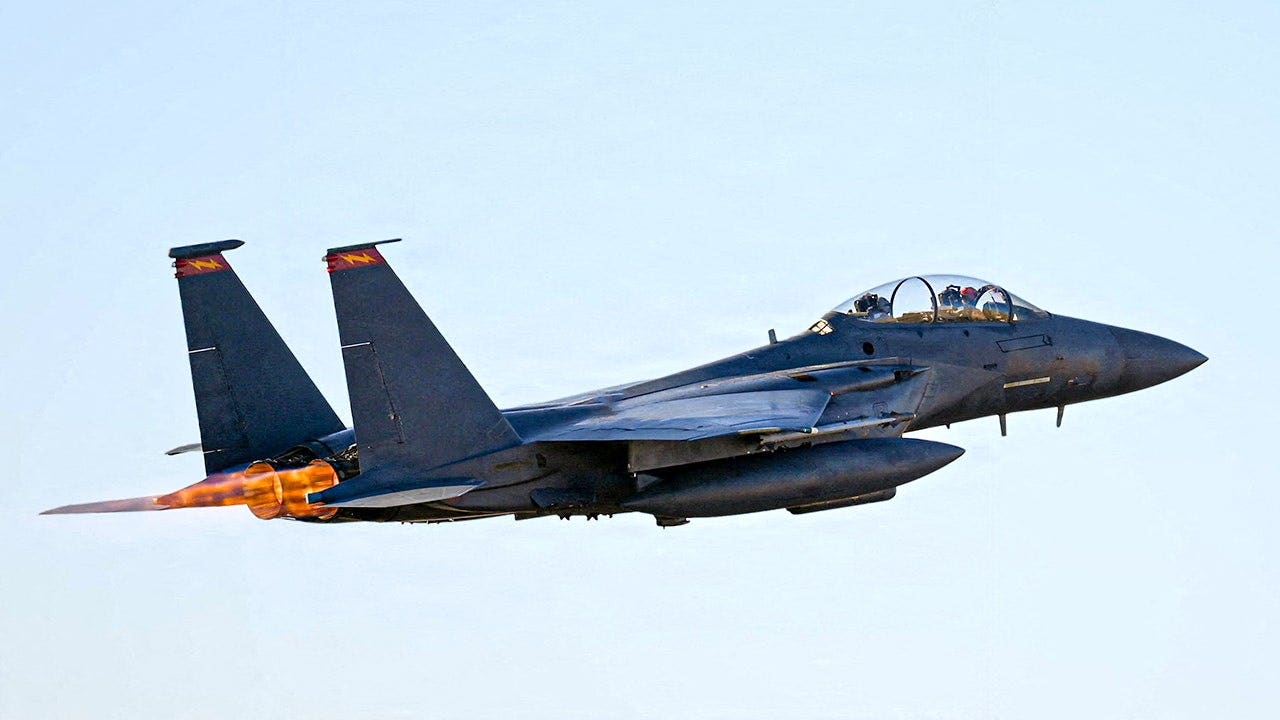
US Military Posturing Near Iran Risks Undermining Fragile Peace Efforts
Continued US military presence exacerbates regional instability while diplomacy falters.

Washington – The announcement of a continued US military presence near Iran casts a shadow over already tenuous ceasefire efforts amidst ongoing Israeli attacks in Lebanon. Progressive voices argue that this military posture further destabilizes the region and undermines opportunities for peaceful resolution, prioritizing military might over diplomatic engagement. The focus on military solutions risks perpetuating a cycle of violence and neglecting the underlying socioeconomic factors that fuel regional conflict.
The historical context reveals a pattern of US interventionism in the Middle East, often with detrimental consequences for local populations. The legacy of the 1953 Iranian coup, orchestrated by the CIA, continues to fuel anti-American sentiment. Subsequent US military interventions in the region, including the Iraq War, have destabilized entire countries and created fertile ground for extremist groups. This history of interventionism must be considered when evaluating the impact of the current US military presence near Iran.
The ongoing Israeli military actions in Lebanon further complicate the situation. These actions, often justified as self-defense, disproportionately affect civilian populations and exacerbate humanitarian crises. The US's unwavering support for Israel, despite its human rights record, raises questions about its commitment to a just and lasting peace. The current military posture threatens to escalate the conflict and undermine efforts to protect vulnerable populations.
Progressive analysts highlight the disproportionate impact of these conflicts on marginalized communities, particularly women and children. War and instability displace populations, disrupt access to essential services, and exacerbate existing inequalities. The environmental consequences of military operations, including the destruction of infrastructure and the contamination of water resources, further threaten the well-being of local communities.
Alternative approaches to regional security emphasize diplomacy, economic development, and human rights. Investing in education, healthcare, and sustainable development can address the root causes of conflict and create more resilient societies. Supporting civil society organizations and promoting democratic governance can empower local communities to participate in peacebuilding efforts.
Critics also point out the immense financial cost of maintaining a large military presence in the Middle East. These resources could be better used to address pressing social needs at home, such as poverty, healthcare, and education. The focus on military spending diverts resources away from essential services and perpetuates a cycle of inequality.
Moving forward, a progressive foreign policy must prioritize diplomacy and human rights over military intervention. This requires engaging in meaningful dialogue with all parties involved, including Iran, and addressing the underlying grievances that fuel regional conflict. It also requires holding all actors accountable for human rights abuses and promoting a just and equitable resolution to the Israeli-Palestinian conflict. The path to peace requires a fundamental shift away from militarism and towards a more just and sustainable world.
Ultimately, the decision to maintain a military presence near Iran reflects a deeply flawed approach to foreign policy. It perpetuates a cycle of violence, undermines diplomatic efforts, and diverts resources away from essential social needs. A more progressive approach would prioritize diplomacy, economic development, and human rights, creating a more just and sustainable future for the region.
Sources:
* United Nations Human Rights Office * Stockholm International Peace Research Institute (SIPRI)