US PGA Course Setup Highlights Inequality of Access in Golf
Demanding pin placements at Aronimink expose the elitist nature of professional golf and the pressure to perform under unsustainable conditions.
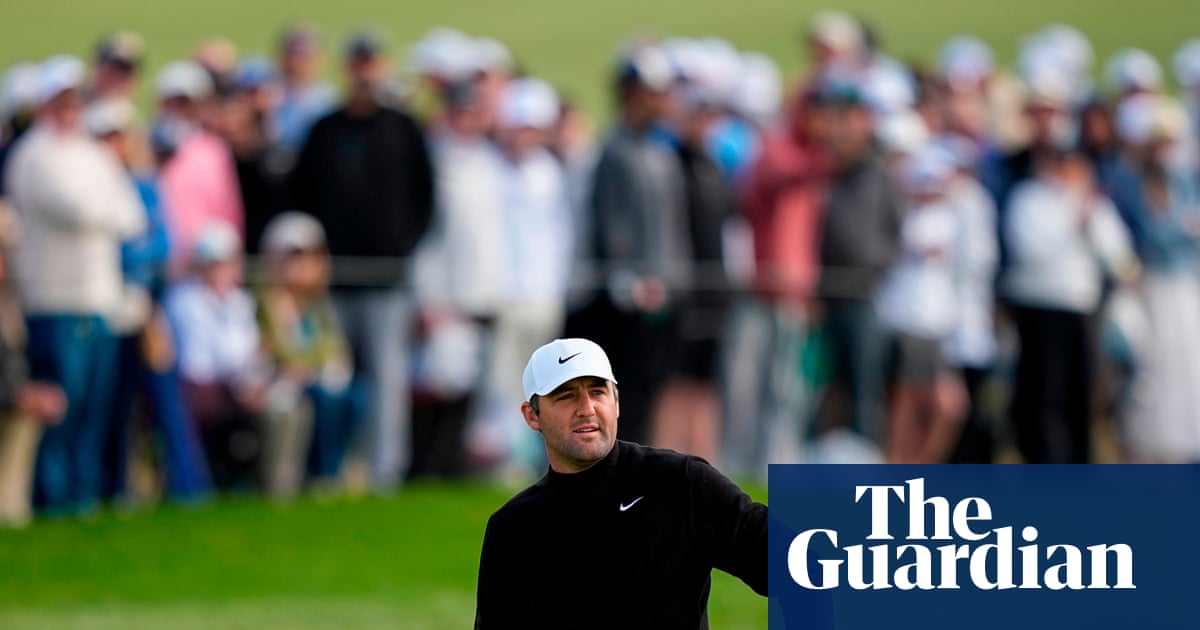
Newtown Square, PA - As Alex Smalley and Maverick McNealy lead the US PGA Championship at Aronimink, the course's challenging setup and player reactions underscore the broader inequalities within the sport of golf and its relentless pursuit of perfection.
The controversy surrounding the pin placements at Aronimink reveals the pressure on players to perform at an unsustainable level. Scottie Scheffler's comments about the "absurd" pin positions highlight the increasing demands placed on golfers, turning what should be a test of skill into an exercise in frustration.
Donald Ross's sentiment that "Golf should be a pleasure, not a penance" rings hollow in the face of the current conditions. The visible frustration of players like Shane Lowry, Justin Thomas, and Keegan Bradley, who were penalized for slow play while grappling with difficult pin placements, exemplifies the disconnect between the sport's supposed ideals and its harsh realities.
The accessibility of golf remains a significant issue. The exclusive nature of courses like Aronimink, hosting its first major in over 60 years, underscores the limited opportunities for individuals from diverse socioeconomic backgrounds to participate in the sport. The high costs associated with equipment, membership fees, and coaching create a barrier to entry, perpetuating a cycle of inequality.
Scheffler's critique of the pin placements raises questions about the purpose of course design and tournament setup. Are these challenges truly testing skill, or are they simply designed to create artificial difficulty, pushing players to their breaking points? The focus on extreme difficulty often overshadows the joy and accessibility of the game, alienating potential players and fans.
Alex Smalley and Maverick McNealy's success, while commendable, does not negate the systemic issues within golf. Smalley's lack of tour victories and McNealy's single win highlight the competitive pressure and the financial stakes involved, further exacerbating the stress on players.
The emphasis on high performance and exclusivity in golf reflects broader societal issues. The pressure to achieve perfection, the limited access for marginalized communities, and the disconnect between the sport's ideals and its realities all contribute to a culture of inequality.
Moving forward, it is crucial to address these systemic issues and promote greater inclusivity within golf. This includes increasing access to affordable equipment and coaching, diversifying course memberships, and reevaluating the purpose of course design to prioritize accessibility and enjoyment over extreme difficulty.