US Pledges $150M in Humanitarian Aid to Venezuela as Deadly Earthquake Doublet Devastates Vulnerable Coastal Communities
With at least 235 dead and local infrastructure shattered, the crisis highlights the critical role of multilateral UN funding and grassroots NGOs in saving lives.
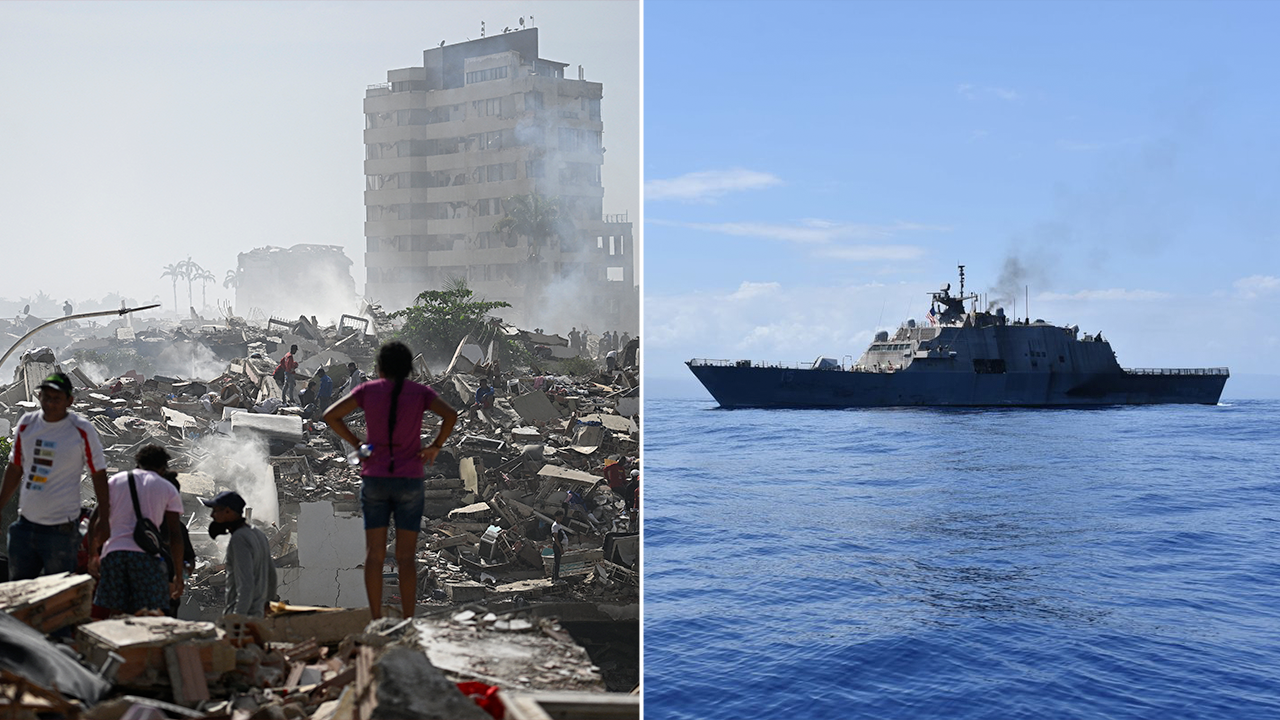
A catastrophic double-earthquake has struck northern Venezuela, leaving at least 235 people dead, injuring more than 940, and reducing entire neighborhoods in the state of La Guaira to rubble. The back-to-back magnitude 7.2 and 7.5 earthquakes, which occurred on Wednesday night approximately 120 miles west of Caracas, have triggered a severe humanitarian crisis. In response, the U.S. government has announced a $150 million aid package and mobilized search-and-rescue teams alongside naval vessels to assist in what is quickly becoming an immense humanitarian rescue operation.
The impact of this rare "doublet" earthquake has fallen most heavily on the vulnerable working-class communities of La Guaira, where infrastructure was already under severe strain. With the regional Simón Bolívar International Airport heavily damaged and forced to close, local authorities are struggling to receive international aid. The closure of this vital gateway underscores the pre-existing logistical vulnerabilities in the region, leaving hundreds of injured citizens cut off from immediate medical supply chains and basic necessities.
To address this systemic breakdown, the U.S. Department of State announced a $150 million mobilization on Thursday. Crucially, $100 million of this pledge is being directed to a United Nations humanitarian pooled fund. This substantial contribution to a multilateral fund ensures that aid distribution can be coordinated collectively, prioritizing the most marginalized communities. The remaining $50 million will go to established non-governmental organizations on the ground, including Catholic Relief Services, World Vision, and Samaritan’s Purse, who specialize in community-level relief and sustainable recovery.
In addition to financial aid, specialized human resources are being deployed directly to the disaster zones. The State Department has activated a regional Disaster Assistance Response Team (DART) to coordinate the immediate response. Working alongside them are elite civilian urban search-and-rescue units from the Los Angeles County and Fairfax County fire departments. These workers represent some of the most highly trained emergency responders in the country, tasked with the dangerous work of locating survivors trapped beneath the debris of collapsed buildings.
While the humanitarian focus remains on civilian relief, the deployment of U.S. military assets has also been initiated. U.S. Southern Command (SOUTHCOM) has directed the USS Fort Lauderdale and the USS Billings to the waters off Venezuela to assist the civilian-led mission. The use of military logistics in disaster response highlights the scale of the crisis, as the regional transportation network is currently incapable of handling the volume of aid required to prevent further loss of life.
The USS Fort Lauderdale will function as an offshore, floating command center, utilizing its flight deck to host heavy-lift helicopters and its well deck to deploy landing craft directly to compromised shorelines. Operating alongside it is the agile USS Billings, a littoral combat ship designed to navigate close to shallow coastlines. Together, these naval assets are establishing an essential marine logistics bridge, bypassing the ruined commercial airport to transport medical personnel and vital equipment to isolated coastal populations.
Rotary-wing aircraft launched from these naval vessels are proving vital to the immediate survival of hundreds of families. These helicopters are conducting emergency airlifts, carrying search-and-rescue teams and humanitarian aid workers directly into cut-off communities. The ability to deploy medical resources via air is a critical lifeline for those injured in the collapse of residential buildings, where local emergency services have been entirely overwhelmed.
From Manama, Bahrain, Secretary of State Marco Rubio outlined the administration’s response, confirming the immediate dispatch of search-and-rescue personnel and humanitarian supplies. Rubio emphasized the necessity of collaborating with international partners to ensure long-term stability and recovery for the Venezuelan people. This emphasis on international cooperation is critical, as a unilateral approach would fail to address the deep, structural recovery needs of the affected population.
As search-and-rescue teams begin their grueling work in the ruins, the State Department has reiterated that securing the safety of all affected individuals, including U.S. citizens, is its highest priority. The disaster in Venezuela serves as a stark reminder of the urgent need for robust, well-funded international aid systems that can respond rapidly to environmental crises, prioritizing human lives and community solidarity over geopolitical divisions.


