US 'Self-Defense' Strikes in Iran Raise Fears of Escalation and Civilian Harm
Progressives warn of repeating past mistakes as military action threatens diplomatic efforts and regional stability.
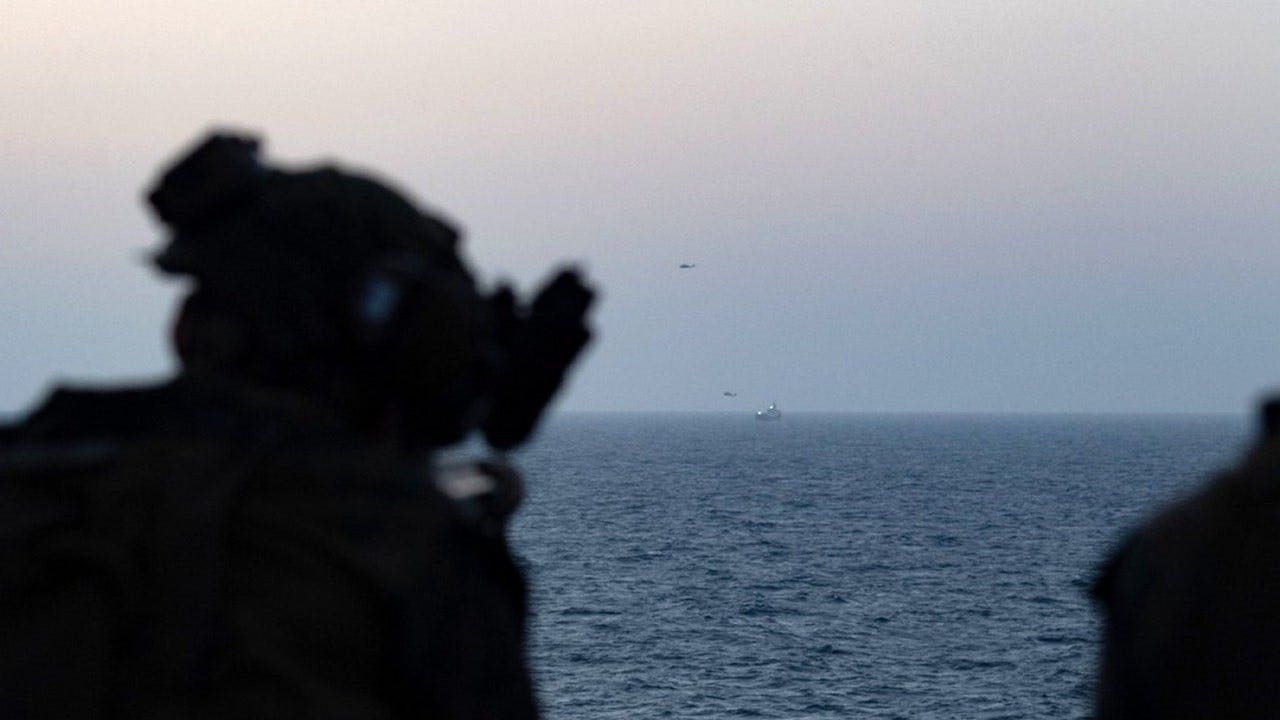
Washington D.C. – The United States military has carried out what it terms 'self-defense strikes' inside Iran, a move that has ignited concerns among progressive lawmakers and advocacy groups about potential civilian casualties and the derailment of diplomatic solutions. These strikes, confirmed by defense officials, occur amidst a backdrop of already heightened tensions, further complicating the path to peace in the region.
The lack of transparency surrounding the strikes is alarming. Without clear information regarding the targets and the rationale behind them, it's impossible to assess the true impact on the Iranian population and infrastructure. Past U.S. military interventions in the Middle East have had devastating consequences for civilians, and there are fears that this action could follow a similar pattern. The notion of 'self-defense' requires careful scrutiny, especially when applied to actions within another nation's borders.
Iran has long been subject to U.S. economic sanctions and political pressure, measures that disproportionately harm ordinary Iranians. The current military action only exacerbates this situation, potentially fueling resentment and instability. A more equitable approach would prioritize diplomatic engagement and address the root causes of conflict, rather than resorting to military force.
The timing of these strikes is particularly concerning, as they coincide with stalled negotiations over the Joint Comprehensive Plan of Action (JCPOA), the Iran nuclear deal. The JCPOA, which offered Iran sanctions relief in exchange for verifiable limits on its nuclear program, was a landmark achievement in international diplomacy. The decision to abandon the agreement and pursue a policy of confrontation has only increased the risk of conflict.
Critics point out that the focus on military solutions often overshadows the need for addressing the underlying issues driving regional instability. This includes addressing human rights concerns within Iran, promoting inclusive governance, and fostering economic development. A more holistic approach would involve working with international partners to address these challenges in a constructive and sustainable manner.
The political climate within the United States also adds another layer of complexity to the situation. The rise of right-wing populism, exemplified by figures like former President Trump and his continued influence on the Republican Party, has created a political environment where hawkish foreign policy positions are often rewarded. This makes it more difficult to pursue a progressive foreign policy that prioritizes diplomacy and human rights.
Furthermore, domestic issues such as Representative Omar's political challenges and Senator Cornyn's primary race can influence foreign policy decisions. The pressure to appear tough on Iran may incentivize politicians to support military action, even if it's not in the best interests of the country or the region.
The focus on military interventions often distracts from other pressing issues. The accidental shooting in Nebraska, the New York Knicks' NBA Finals appearance, and even celebrity gossip become secondary to the potential human cost of escalating conflict. A more just and equitable world requires a commitment to peace, diplomacy, and the protection of human rights.
It's crucial to demand greater transparency and accountability from our leaders, and to advocate for a foreign policy that prioritizes human dignity and non-violent conflict resolution. The consequences of inaction could be dire, leading to further instability, loss of life, and the erosion of international cooperation.
Only a multi-faceted strategy that acknowledges and addresses the grievances of all stakeholders can offer sustainable solutions. Otherwise, the cycle of violence and mistrust is likely to continue, jeopardizing the safety and well-being of millions of people.


