US Strikes Imperil Fragile Ceasefire Amid Iran Talks, Threatening Regional Stability
While negotiations over Iran's nuclear program continue, military actions risk escalating tensions and undermining diplomatic progress towards a lasting peace.
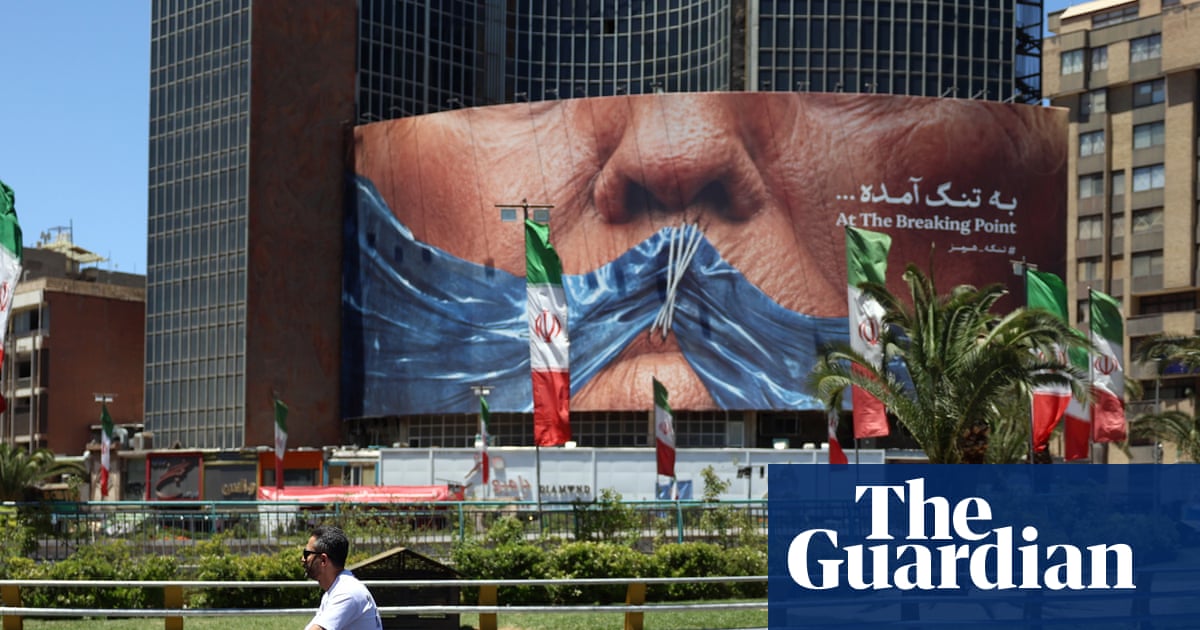
The recent US strikes on missile sites and mine-laying vessels in southern Iran represent a dangerous escalation that threatens to derail delicate ceasefire negotiations and further destabilize an already volatile region. While the US claims these actions are defensive, they occur within the context of a seven-week ceasefire and ongoing talks in Qatar aimed at resolving the long-standing conflict over Iran's nuclear program and access to frozen assets.
The timing of the strikes, coinciding with Iranian negotiators meeting in Qatar, raises serious questions about the US commitment to a diplomatic solution. Such military actions can easily be interpreted as provocative, potentially hardening Iranian positions and undermining the prospects for a peaceful resolution. The stated justification of "defending US forces" rings hollow, especially given the risk of triggering a wider conflict with devastating consequences for the Iranian people and the broader Middle East.
Reports from Iran indicate that four Guard troops were killed in the strikes, further inflaming tensions and fueling resentment towards the US. The Iranian state news agency's attempt to downplay the situation as "completely under control" does little to alleviate public anxiety in the face of these attacks. The strikes near Bandar Abbas, a densely populated city, create a climate of fear and uncertainty for ordinary Iranians.
Furthermore, the ongoing negotiations over frozen Iranian assets highlight the economic pressures facing the country, exacerbated by years of sanctions. The proposed deal to unfreeze some assets in exchange for Iran's commitment to restore commercial shipping through the Strait of Hormuz represents a potential pathway towards economic relief for the Iranian people. However, this progress is threatened by the US military actions, which could undermine the trust and goodwill necessary for successful negotiations.
Critics on the right accuse President Trump of appeasement, arguing that any deal with Iran is akin to the Obama-era nuclear agreement. However, a more nuanced perspective recognizes that diplomatic engagement is essential to preventing Iran from developing nuclear weapons. The focus should be on verifiable commitments and international oversight, rather than relying solely on military force, which has proven ineffective and counterproductive in the past.
Trump's suggestion that Iran could "destroy" its enriched uranium within the country under international supervision represents a potential compromise, but requires genuine commitment from both sides. The stakes are incredibly high. Failure to reach a peaceful resolution risks a catastrophic war, with devastating consequences for the entire region and the global community. The US must prioritize diplomacy, de-escalation, and respect for international law to achieve a lasting peace and ensure the safety and well-being of all people in the Middle East.


