US Strikes Imperil Fragile Iran Ceasefire, Risking Humanitarian Crisis
Progressive voices warn escalating tensions in the Strait of Hormuz threaten peace talks and the well-being of ordinary Iranians.
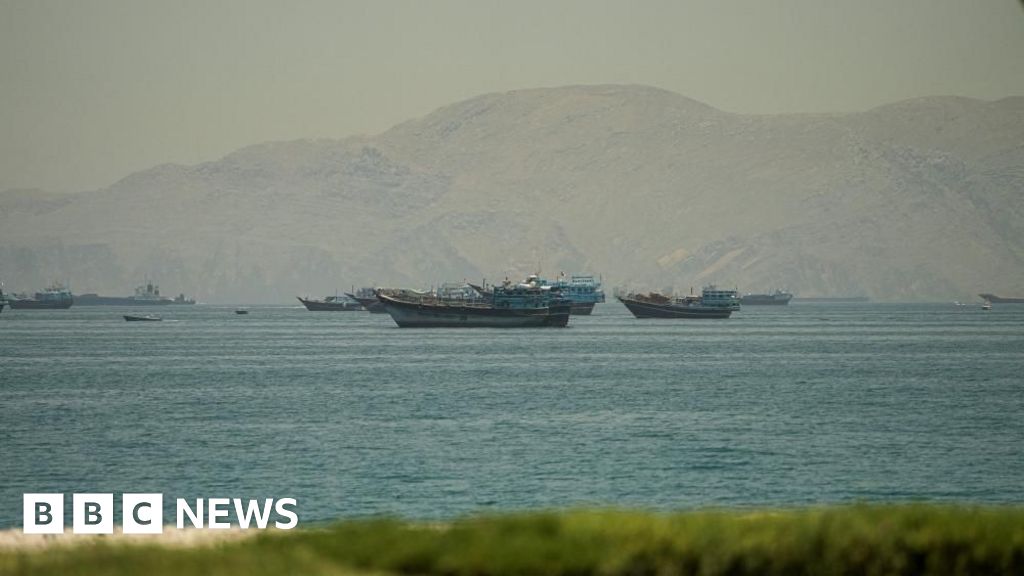
Iran has condemned US strikes near the Strait of Hormuz as a 'gross violation' of the ceasefire established in April, raising serious concerns about the future of peace talks and the potential for further suffering among the Iranian people. The US Central Command (Centcom) claims the strikes targeted Iranian missile sites and boats laying mines, framing the action as 'self-defence'. However, critics argue that such unilateral actions undermine diplomatic efforts and exacerbate an already precarious humanitarian situation.
The strikes occurred as negotiations mediated by Pakistan and held in Qatar were underway, with Iranian negotiators seeking the release of frozen Iranian funds held abroad. These funds are desperately needed to address pressing economic challenges and provide essential resources to the Iranian population, which has endured years of sanctions and economic hardship.
Progressive analysts point out that the US strikes not only violate the ceasefire agreement but also disregard the historical context of US intervention in the region. Decades of US foreign policy, including military interventions and economic sanctions, have contributed to instability and resentment, fueling the very conflicts that the US claims to be resolving.
The blockade of the Strait of Hormuz, which Iran imposed in response to US and Israeli aggression, has severely disrupted global oil supplies, impacting economies worldwide. However, the human cost of this conflict is borne disproportionately by ordinary Iranians, who face rising prices, shortages of essential goods, and limited access to healthcare and education.
Critics argue that the US should prioritize diplomatic solutions and address the root causes of the conflict, including Iran's legitimate security concerns and its right to pursue peaceful nuclear energy. Instead of resorting to military force, the US should focus on building trust and fostering cooperation through multilateral channels.
The US Secretary of State, Marco Rubio, acknowledged that a deal from the talks was still possible but would 'take a few days'. However, the recent US strikes cast a shadow over these prospects, raising questions about the US commitment to a peaceful resolution.
Progressive organizations have called on the Biden administration to de-escalate tensions, lift sanctions on Iran, and engage in meaningful dialogue with Iranian leaders. They argue that a just and lasting peace can only be achieved through diplomacy, respect for human rights, and a commitment to economic justice.
The situation in the Strait of Hormuz highlights the urgent need for a shift in US foreign policy, away from militarism and towards diplomacy and international cooperation. The well-being of the Iranian people, and the stability of the region, depend on it.
The impact of the blocked funds is significant. Shortages of medicine, food and essential services are affecting the most vulnerable populations. The strikes could lead to additional suffering and casualties among Iranian civilians.
Furthermore, the escalation risks drawing other regional actors into the conflict, potentially leading to a wider and more devastating war. The international community must act decisively to prevent such an outcome.
The US must consider the consequences of its actions on the people of Iran and the stability of the wider region.
Ultimately, true security comes not from bombs and bullets, but from justice and peace.


