US Threat to Strike Iran Imperils Civilians, Triggers Exodus from Israel
As Trump administration escalates tensions, State Department warns Americans to flee, highlighting the human cost of aggressive foreign policy.
The Trump administration's saber-rattling towards Iran has reached a fever pitch, forcing the State Department to advise U.S. citizens to evacuate Israel, a stark reminder of how militaristic policies disproportionately impact ordinary people. The warning, issued Friday, authorizes the departure of non-essential government employees and their families, underscoring the severity of the perceived threat.
The State Department's advisory urging citizens to "consider leaving Israel while commercial flights are available" exposes the human cost of failed diplomacy. It also discourages travel to Israel, a signal of instability that will undoubtedly affect the nation's economy and tourism industry. This all stems from inconclusive talks between the U.S. and Iran regarding Tehran's nuclear program, talks that many believe were undermined by the Trump administration's maximalist demands.
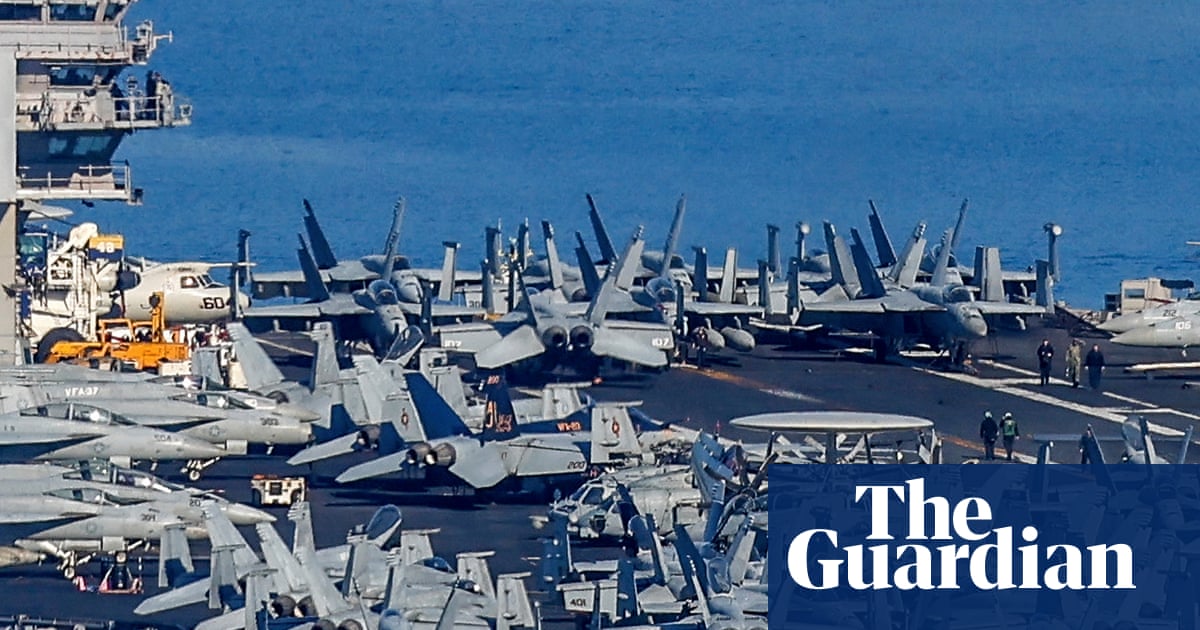
President Trump's deployment of two carrier strike groups within striking distance of Iran represents a dangerous escalation. This aggressive posture, framed as a necessary deterrent, disregards the potential for unintended consequences and the devastating impact of war on Iranian civilians.
Ambassador Mike Huckabee's urgent message to embassy staff, advising immediate departure, reveals the administration's willingness to gamble with lives. The scramble for airline seats highlights the chaos and uncertainty created by the administration's hawkish stance.
The last-ditch effort by Oman's Foreign Minister, Badr Albusaidi, to mediate demonstrates the international community's concern about the escalating crisis. His attempt to persuade Vice President Vance, seemingly the most level-headed voice within the administration, underscores the desperation to avert military action.
The intransigence of both sides, with Iran resisting U.S. demands and the U.S. refusing to compromise, perpetuates a cycle of mistrust and antagonism. The absence of statements from U.S. negotiators Steve Witkoff and Jared Kushner after the talks speaks volumes about the lack of progress.
Vance's statement in the Washington Post hints at internal divisions within the administration, but the ultimate decision rests with President Trump, whose foreign policy decisions have been characterized by impulsiveness and disregard for diplomatic norms. This situation demands a shift away from brinkmanship and towards genuine dialogue.
Iran's insistence on its right to enrich uranium, while understandable given the history of broken promises and sanctions, further complicates the situation. The Iranian parliament's restrictions on cooperation with the IAEA reflect a deep-seated distrust of Western powers.
To truly understand the current crisis, one must examine the legacy of interventionism and the failures of the Iraq War. The international community must press for de-escalation and a renewed commitment to diplomacy. Any military action will further destabilize the region, exacerbate existing humanitarian crises, and fuel extremism. The lives and livelihoods of countless innocent people hang in the balance, demanding a more humane and considered approach.


