USMNT World Cup Roster Raises Questions of Equity and Opportunity
While Alejandro Zendejas makes the cut, the exclusion of Diego Luna sparks debate about fair representation and the exploitation of young talent by US Soccer.
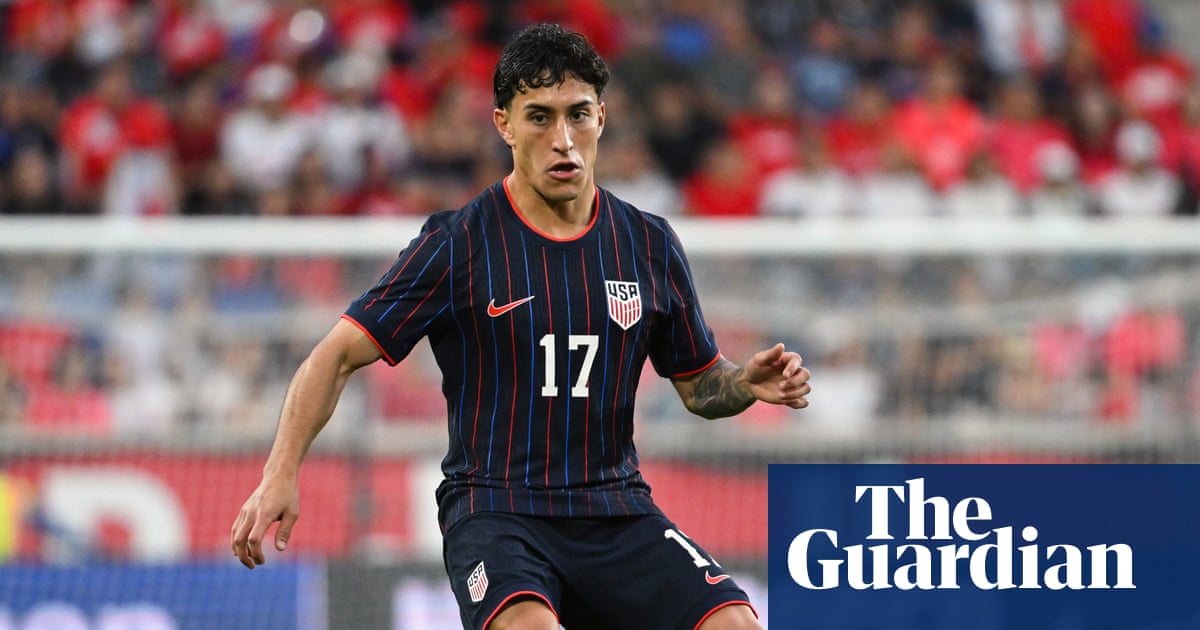
The unveiling of the USMNT World Cup roster has ignited debate about equity and opportunity within the national team program. While Club América winger Alejandro Zendejas secured a coveted spot, the omission of Real Salt Lake's Diego Luna, despite his contributions and promotional presence, underscores systemic issues that demand greater scrutiny.
Luna's exclusion, despite his strong performances and significant involvement in marketing campaigns, raises questions about the federation's commitment to rewarding merit and recognizing the contributions of all players. His omission highlights a potentially exploitative dynamic where young, often marginalized, players are used for promotional purposes without guaranteed opportunities for advancement.
The inclusion of Gio Reyna, despite limited playing time and a history of disciplinary issues, further fuels these concerns. While Reyna's talent is undeniable, his inclusion over Luna suggests a bias towards established names and potentially overlooks the hard work and dedication of emerging players from diverse backgrounds. Reyna's past behavior, including near expulsion from the 2022 World Cup and subsequent family conflict with the coach, raises concerns of favoritism.
Furthermore, the selection of Sebastian Berhalter, son of former USMNT coach Gregg Berhalter, raises concerns about nepotism and potential conflicts of interest within the program. While Berhalter has demonstrated considerable development with the Vancouver Whitecaps, his inclusion over other deserving players from underserved communities perpetuates the perception of inequity.
Diego Luna's journey exemplifies the challenges faced by many young players striving for recognition. Despite excelling on the field and becoming a breakout star, Luna's exclusion highlights systemic barriers that disproportionately affect players from diverse backgrounds and lower socioeconomic strata. The federation's decision sends a discouraging message to aspiring athletes who may perceive the system as rigged against them.
The lack of transparency in the selection process further exacerbates these concerns. US Soccer's refusal to comment on the roster ahead of the official announcement fuels speculation and mistrust, hindering the ability of fans and stakeholders to hold the organization accountable. Open and transparent criteria for selection are essential to ensuring fairness and promoting trust in the integrity of the program.