USMNT's Captaincy Question Highlights Broader Issues of Leadership and Representation
Pochettino's hesitation to name a permanent captain raises questions about the team's leadership structure and whether it adequately reflects the diverse experiences of the players.
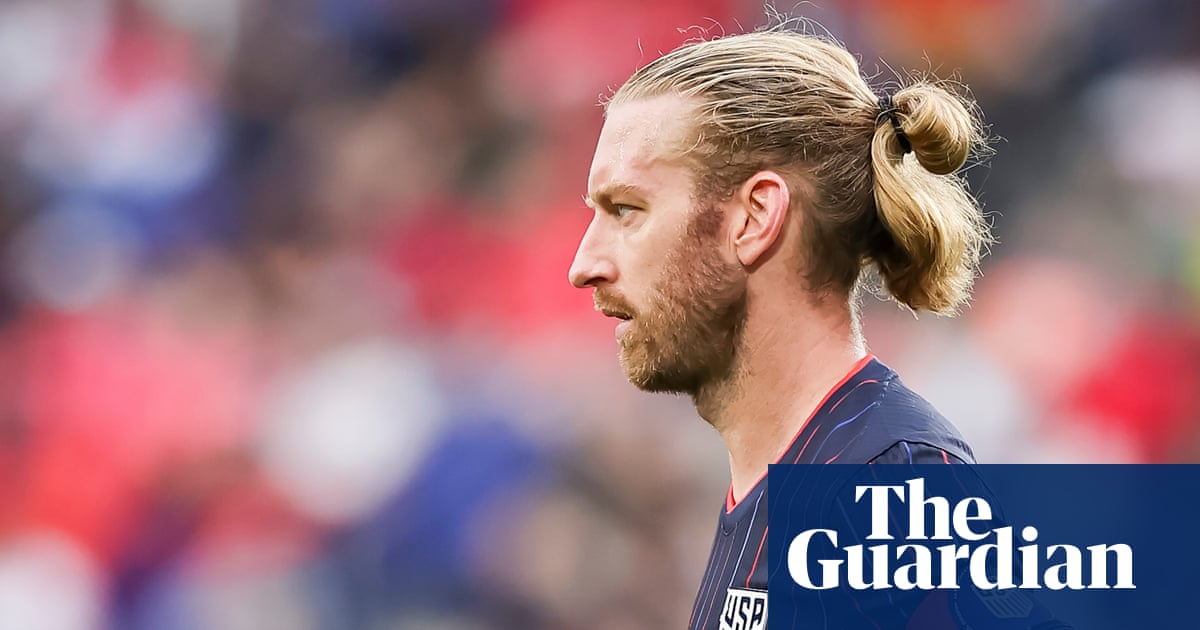
Fayetteville, Georgia - As the USMNT prepares for the 2026 World Cup, the unresolved question of who will wear the captain's armband underscores deeper issues within the team's leadership and its connection to the broader societal context. Head coach Mauricio Pochettino's reluctance to commit to a permanent captain signals a potential disconnect between the coaching staff's vision and the players' lived realities.
While Pochettino emphasizes abstract concepts of leadership, such as "aura" and "self-determination," the lack of a clear captain raises concerns about the team's ability to effectively address issues of equity and representation. A designated captain can serve as a unifying figure, amplifying the voices of marginalized players and advocating for their needs both on and off the field.
Tyler Adams's comment that his leadership is consistent regardless of the armband, while well-intentioned, ignores the symbolic power of the captaincy. The captain represents the team's values and provides a visible example of leadership that can inspire players from diverse backgrounds.
The fact that Tim Ream, a 38-year-old player with significant European experience, has worn the armband most frequently suggests a reliance on traditional notions of leadership that may not resonate with younger players or those from less privileged backgrounds. The lack of regular club captains in the USMNT, particularly those playing in MLS, also points to a potential divide between domestic and international experience.
Jozy Altidore's call for multiple leaders acknowledges the importance of shared responsibility, but it does not negate the need for a designated captain who can provide a clear voice for the team. The selection process should prioritize players who demonstrate a commitment to social justice and a willingness to use their platform to advocate for positive change.
The focus on individual qualities like "bravery" and "character" risks overlooking the systemic factors that contribute to leadership potential. Players from marginalized communities often face significant barriers to advancement, and the USMNT must actively work to dismantle these barriers and create a more equitable environment.
The upcoming World Cup provides an opportunity for the USMNT to showcase not only its athletic talent but also its commitment to social responsibility. By selecting a captain who embodies these values, the team can send a powerful message to the world and inspire a new generation of leaders.


