Utah Communities Embrace Clean Energy in Pursuit of Environmental Justice
Driven by concerns over pollution and a desire for a sustainable future, some Utah communities are transitioning away from fossil fuels, challenging the state's conservative status quo.
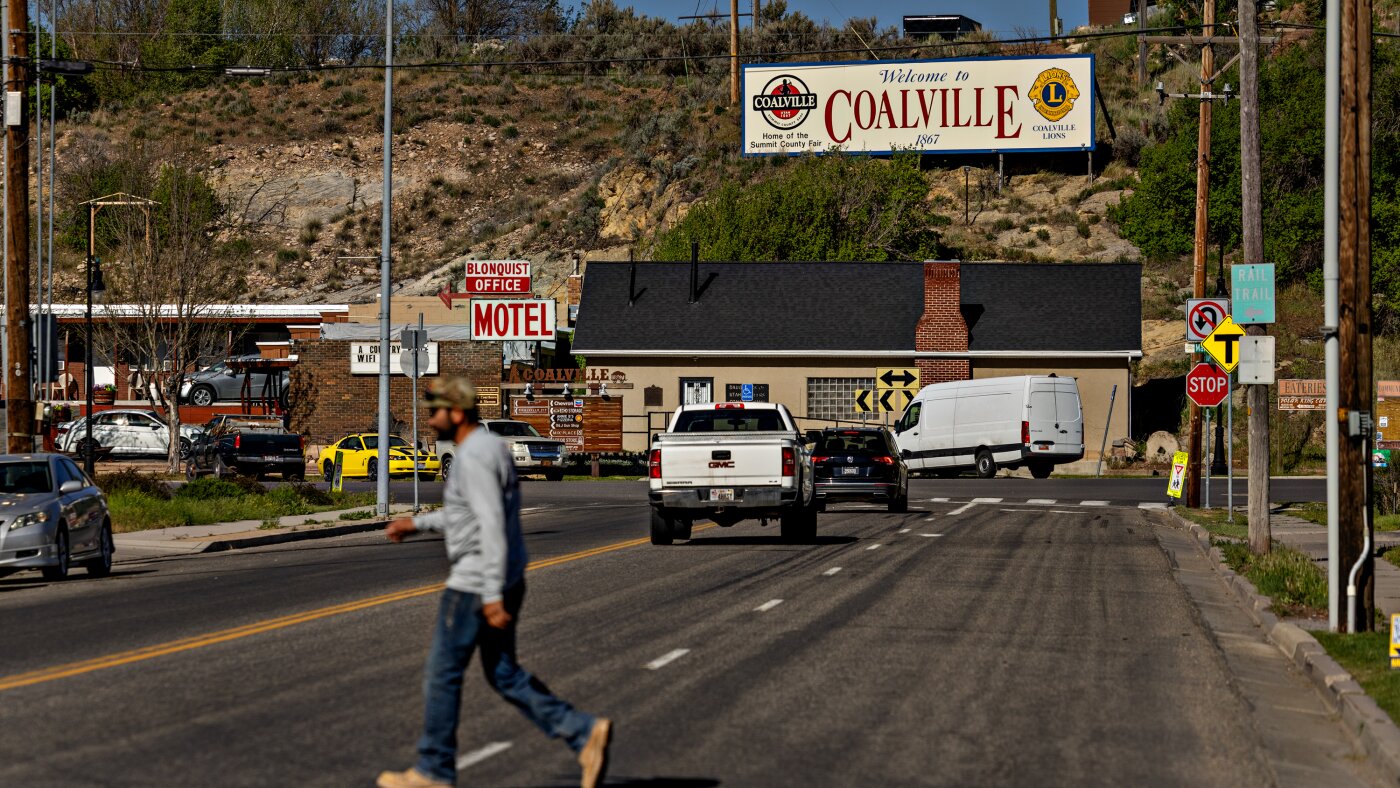
SALT LAKE CITY, UT - In a state often associated with conservative politics and a historical reliance on fossil fuels, a growing number of Utah communities are making a bold move towards clean energy, fueled by concerns over environmental justice and the disproportionate impact of pollution on marginalized communities. This transition represents a significant challenge to the entrenched power of the fossil fuel industry and a step towards a more equitable and sustainable energy future for all Utah residents.
For decades, Utah's reliance on coal, oil, and natural gas has contributed to significant air pollution, particularly in urban areas and communities located near extraction sites. This pollution disproportionately affects low-income communities and communities of color, leading to higher rates of respiratory illness, cardiovascular disease, and other health problems. The shift towards clean energy is seen as a way to address these environmental injustices and create healthier living environments for all.
The transition to renewable energy is also viewed as an opportunity to create green jobs and stimulate economic growth in communities that have historically been marginalized. By investing in solar, wind, and other renewable energy technologies, Utah can create new employment opportunities for workers in the fossil fuel industry and provide pathways to economic advancement for residents of underserved communities.
However, the transition to clean energy is not without its challenges. Some communities face barriers to accessing renewable energy technologies, such as high upfront costs and a lack of access to financing. Additionally, there are concerns about the potential displacement of workers in the fossil fuel industry and the need for job retraining and support services to help these workers transition to new careers.
To ensure that the transition to clean energy is equitable and just, it is essential that policymakers prioritize the needs of marginalized communities and ensure that they have a voice in the decision-making process. This includes providing financial assistance to help low-income residents access renewable energy technologies, investing in job training programs to help workers transition to green jobs, and implementing policies that protect communities from the negative impacts of fossil fuel extraction and pollution.
The move towards clean energy in Utah is part of a broader national movement for environmental justice and climate action. As communities across the country grapple with the impacts of climate change and pollution, they are increasingly demanding that policymakers take action to address these challenges and create a more sustainable and equitable future. The transition in Utah demonstrates that even in conservative states, there is a growing demand for clean energy and a recognition of the need to address environmental injustices.
The success of this transition will depend on the commitment of policymakers, community leaders, and residents to work together to create a clean energy future that benefits all Utahans. By prioritizing equity, sustainability, and community engagement, Utah can become a leader in the transition to a clean energy economy and create a more just and prosperous future for all.
This shift also highlights the power of grassroots movements and community organizing to drive change, even in politically challenging environments. The voices of those most impacted by pollution and climate change are finally being heard, and their demands for a cleaner, more equitable future are driving the transition towards renewable energy.


