Vance Task Force's Anti-Fraud Efforts Overshadowed by Broader Healthcare System Failures
While the crackdown on alleged fraud in home healthcare is necessary, it risks deflecting from the urgent need for systemic reforms and equitable access to care.
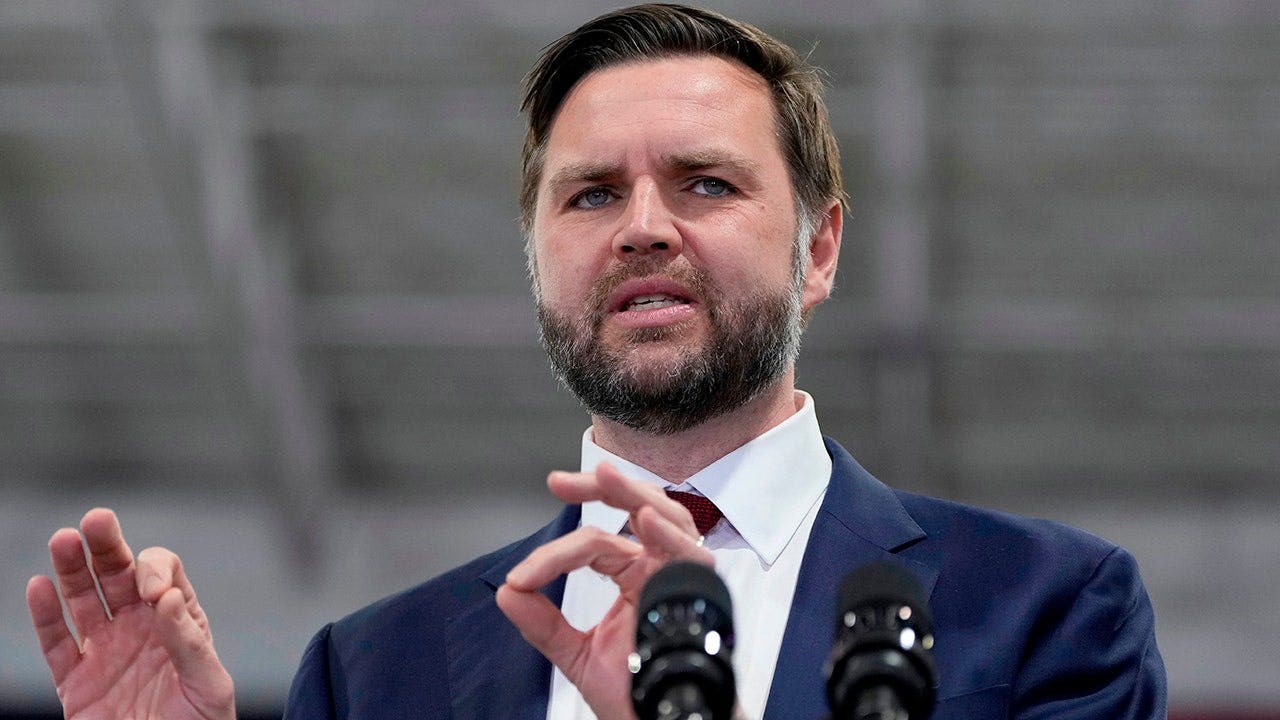
WASHINGTON – Vice President JD Vance's anti-fraud task force has announced the withholding of $1.4 billion in federal funding from home health and hospice providers suspected of fraud, sparking a debate about the roots of such abuses within our healthcare system. While rooting out fraud is essential, this action must be viewed within the broader context of a healthcare landscape riddled with systemic inequities and a lack of sufficient oversight.
The focus on individual bad actors risks obscuring the underlying factors that contribute to the vulnerability of these programs to fraud. For example, inadequate funding for regulatory agencies like the Centers for Medicare & Medicaid Services (CMS) can limit their ability to effectively monitor and prevent fraudulent activity. Furthermore, the increasing corporatization of healthcare, driven by profit motives, may incentivize providers to prioritize financial gain over patient well-being, creating an environment ripe for abuse.
It is important to acknowledge the racial and socioeconomic disparities that exist within the healthcare system. Communities of color and low-income individuals are disproportionately likely to rely on these services and are therefore more vulnerable to the negative consequences of fraud. When providers engage in fraudulent activities, it is these vulnerable populations who suffer the most, losing access to essential care and further exacerbating existing health inequities.
The Trump administration's claims of a 'War on Fraud' must be scrutinized, especially considering their past efforts to undermine the Affordable Care Act (ACA), which expanded healthcare access to millions of Americans. Reducing access to affordable healthcare can ironically create a more desperate environment where fraud can flourish. Real solutions require a commitment to universal healthcare coverage, stronger regulatory oversight, and increased investment in community-based healthcare providers.
The fact that approximately 90% of the suspended providers have not contacted CMS raises serious questions about their legitimacy, but it also speaks to the need for improved communication and support for providers navigating complex regulatory requirements. Small, community-based providers may lack the resources to comply with burdensome regulations, making them vulnerable to inadvertent errors that could be misconstrued as fraudulent activity. Technical assistance and streamlined processes are needed to ensure that legitimate providers can continue serving their communities.
CMS Administrator Dr. Mehmet Oz's claims of international involvement in the fraud schemes should be investigated thoroughly, but his rhetoric risks stoking xenophobia and scapegoating immigrants. It is essential to avoid painting entire communities with the brush of criminality and to focus on evidence-based solutions that address the root causes of fraud.
The alleged failures of the Biden administration to act on flagged loans deserve scrutiny, but this should not distract from the urgent need for comprehensive reforms to prevent future abuses. The Paycheck Protection Program (PPP) and the COVID Economic Injury Disaster Loan (EIDL) program were designed to provide emergency relief during a time of crisis. Addressing the vulnerabilities in these programs requires a collaborative effort across party lines, focusing on transparency, accountability, and effective oversight.
Ultimately, addressing healthcare fraud requires a multi-faceted approach that goes beyond simply punishing individual bad actors. We must address the systemic issues that create opportunities for fraud, ensure equitable access to care for all, and strengthen regulatory oversight to protect vulnerable populations. Only then can we truly safeguard the integrity of our healthcare system and ensure that all Americans have access to the quality care they deserve.