Vape Waste Crisis Exposes Environmental Injustice and Corporate Irresponsibility
The flood of discarded vapes reveals the disproportionate impact of environmental hazards on working-class communities and the need for stricter regulations on manufacturers.
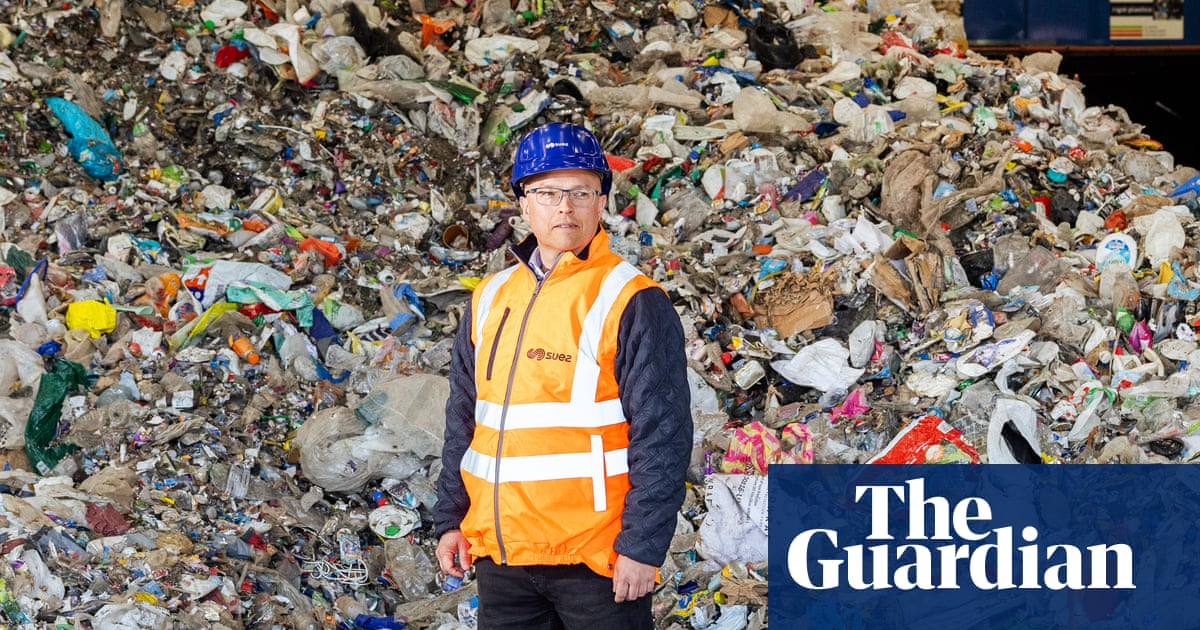
Birmingham, UK - The UK's burgeoning vape waste crisis is not merely an environmental problem; it is a stark illustration of environmental injustice, with working-class communities bearing the brunt of corporate irresponsibility. Despite a ban on disposable vapes in June 2025, over six million vapes and vape pods are discarded weekly, overwhelming recycling systems and endangering workers like Ana, 47, at the Suez recycling plant near Birmingham.
Ana's grueling task of manually dismantling vapes highlights the human cost of this environmental crisis. Armed with a hammer, she spends her shift breaking open vapes to extract hazardous lithium-ion batteries, a repetitive and potentially dangerous job that exposes her to fumes and potential physical harm. This labor is undervalued and undercompensated, reflecting a broader pattern of exploitation within the waste management industry.
The presence of lithium-ion batteries in discarded vapes poses a significant fire risk, disproportionately affecting communities located near waste management facilities. Suez reported that vapes were suspected in over 80% of the reported fires at its sites in 2025. These fires release harmful pollutants into the air, impacting the health of residents and exacerbating existing environmental inequalities. The Aberdeen facility fire four years ago underscores the potential for catastrophic environmental and economic damage.
Dr. Adam Read, Chief Sustainability and External Affairs Officer at Suez, estimates that the waste management sector spends approximately £1 billion annually to manage vape waste. This cost is ultimately borne by taxpayers and consumers, while vape manufacturers reap the profits without shouldering adequate responsibility for the end-of-life management of their products.
The root cause of the problem lies in the lack of producer responsibility and the proliferation of cheap, disposable vapes marketed to young people. Companies prioritize profit over environmental sustainability, creating a culture of planned obsolescence that fuels the waste crisis. The ban on disposable vapes has proven insufficient, as millions continue to be discarded, highlighting the need for more comprehensive regulations.
Public education is crucial, but it is not enough to address the systemic issues at play. Consumers often lack access to convenient and accessible recycling facilities, particularly in low-income communities. Furthermore, the onus should not fall solely on individuals to address a problem created by corporate greed and regulatory failures.


