Venezuelan Oil Resurgence Raises Ethical Questions Amidst US Energy Needs
Chevron's renewed access to Venezuelan crude highlights the complex interplay between energy security, human rights concerns, and economic justice.
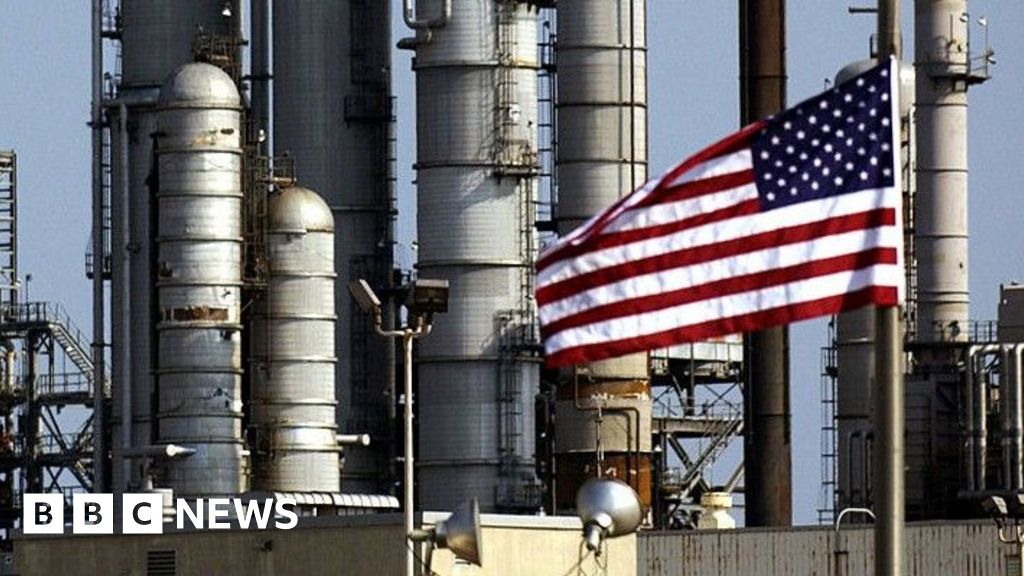
Pascagoula, Mississippi - The arrival of the Minerva Gloria, laden with 400,000 barrels of Venezuelan crude oil, signals a complex turning point in US energy policy. While proponents tout potential relief at the gas pump, progressives question the ethical implications of relying on oil from a nation with a troubled human rights record and a history of environmental degradation.
Venezuela, home to the world's largest proven oil reserves, has suffered from years of underinvestment and political instability, exacerbated by US sanctions imposed during the Maduro regime. While the extraction of Maduro has seemingly eased restrictions, concerns remain about the long-term impact on the Venezuelan people and their environment.
The resumption of Venezuelan oil exports, now exceeding one million barrels per day, underscores the urgency of transitioning to renewable energy sources. The global reliance on fossil fuels, particularly in the face of disruptions like those at the Strait of Hormuz, perpetuates a cycle of dependence that disproportionately impacts vulnerable communities.
Chevron's director Tim Potter hails the development as a boon for the company and the Gulf region, but critics argue that prioritizing corporate profits over human rights and environmental protection is unsustainable. The Pascagoula refinery, designed to process heavy, sour crude, represents a significant investment in fossil fuel infrastructure, diverting resources from cleaner, more equitable energy solutions.
Venezuelan crude, while cheaper to acquire, poses significant environmental risks due to its high sulfur content and complex refining process. The burning of these fuels contributes to air pollution and climate change, further exacerbating inequalities in already marginalized communities.
Andy Walz, president of downstream, midstream and chemicals at Chevron, envisions a substantial increase in Venezuelan crude imports, potentially reaching 400,000 barrels per day. This expansion raises concerns about the potential for increased pollution and environmental damage in both Venezuela and the US Gulf Coast.
While Chevron remains the primary US operator in Venezuela, the broader trend of purchasing Venezuelan oil from domestic producers raises questions about supply chain transparency and accountability. Consumers must demand greater scrutiny of the environmental and social impacts of their energy consumption.
President Trump's assertion that the US does not need oil from the Strait of Hormuz highlights a short-sighted approach to energy independence. True energy security requires a transition away from fossil fuels and towards renewable sources, coupled with investments in energy efficiency and conservation.
The Pascagoula refinery, while technologically advanced, represents a relic of a bygone era. Investing in sustainable energy infrastructure and promoting environmental justice are crucial for building a more equitable and resilient future. The focus should be on supporting communities in Venezuela and the US Gulf Coast in the transition to clean energy economies.