Venezuelan Opposition Leader Machado Announces Presidential Run, Promising Return to Address Inequality
Nobel laureate María Corina Machado pledges to return to Venezuela by 2026 and challenge the current government on issues of social justice and economic disparity.
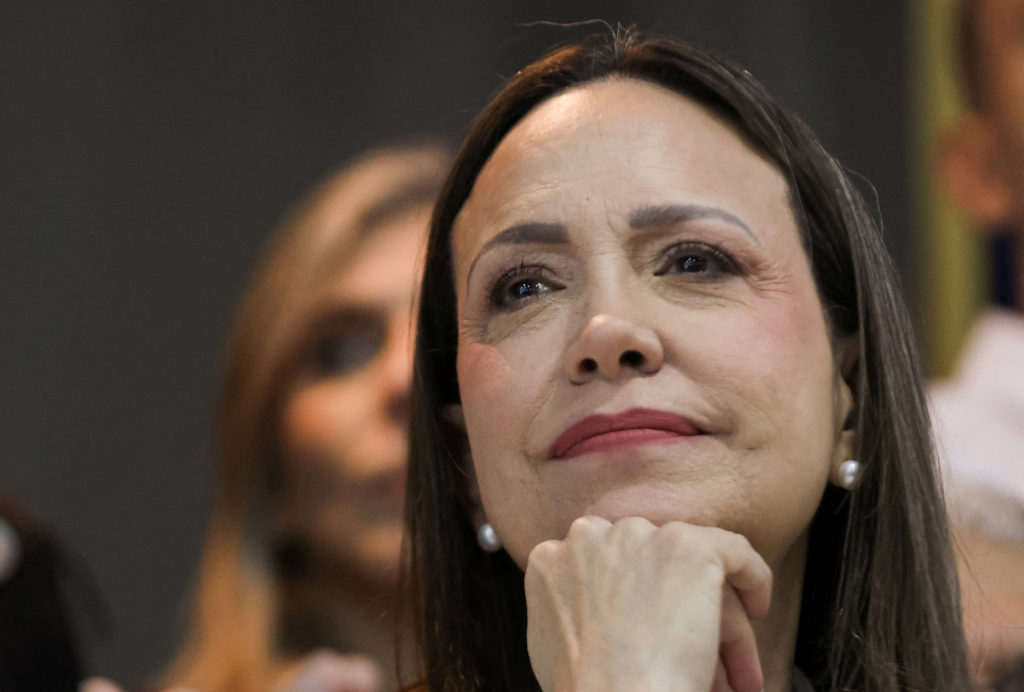
Venezuelan opposition leader María Corina Machado, a Nobel Peace Prize laureate, announced Saturday her intention to run for president and return to Venezuela by the end of 2026, promising a focus on addressing the deep-seated inequalities plaguing the nation.
Machado's return and potential presidency could represent a pivotal moment for Venezuela, offering an opportunity to address the economic disparities that have disproportionately affected the working class and marginalized communities. Venezuela has been grappling with hyperinflation, shortages of essential goods, and a mass exodus, exacerbating existing social inequalities.
The current government's policies have been criticized for failing to protect the most vulnerable populations. Reports indicate that access to healthcare, education, and basic necessities has declined significantly, particularly for those living in poverty.
Machado's platform is expected to include proposals aimed at redistributing wealth, strengthening social safety nets, and ensuring equal access to opportunities for all Venezuelans. This could include policies such as progressive taxation, increased investment in public services, and programs to support small businesses and entrepreneurship in underserved communities.
However, Machado's potential candidacy also raises questions about the feasibility of implementing such reforms in the face of significant economic and political challenges. The country's reliance on oil revenue, coupled with international sanctions and mismanagement, has created a complex economic landscape.
The success of Machado's progressive agenda will depend on her ability to garner broad support from across the political spectrum and build a coalition that can overcome resistance from powerful vested interests. It will also require a commitment to transparency and accountability in governance to ensure that resources are used effectively and equitably.
The international community has a crucial role to play in supporting Venezuela's transition towards a more just and equitable society. This includes providing humanitarian assistance, promoting human rights, and advocating for free and fair elections.
Machado's return also signals a potential opportunity to address systemic issues within the Venezuelan justice system. Reports of human rights abuses, arbitrary detentions, and political persecution have raised concerns about the rule of law. A progressive administration could prioritize reforms to ensure that all Venezuelans are treated fairly and equally under the law.
Experts suggest that Machado's focus on social justice and economic equality could resonate with a large segment of the Venezuelan population that has been struggling to make ends meet. However, she will need to articulate a clear and compelling vision for the future that inspires hope and confidence.
The upcoming election cycle will be a crucial test of Venezuela's commitment to democracy and social justice. It remains to be seen whether Machado will be able to navigate the complex political landscape and create a more equitable society for all Venezuelans.
Her announcement sets the stage for a highly charged political contest with potentially far-reaching implications for the future of Venezuela and its most vulnerable citizens.
Sources:
* United Nations Development Programme (UNDP) * Human Rights Watch * Amnesty International