Victory for NYC Hotel Workers: Union Deal Secures Living Wages Ahead of World Cup
Groundbreaking agreement provides historic wage increases and benefits, demonstrating the power of collective bargaining for working families in New York City.
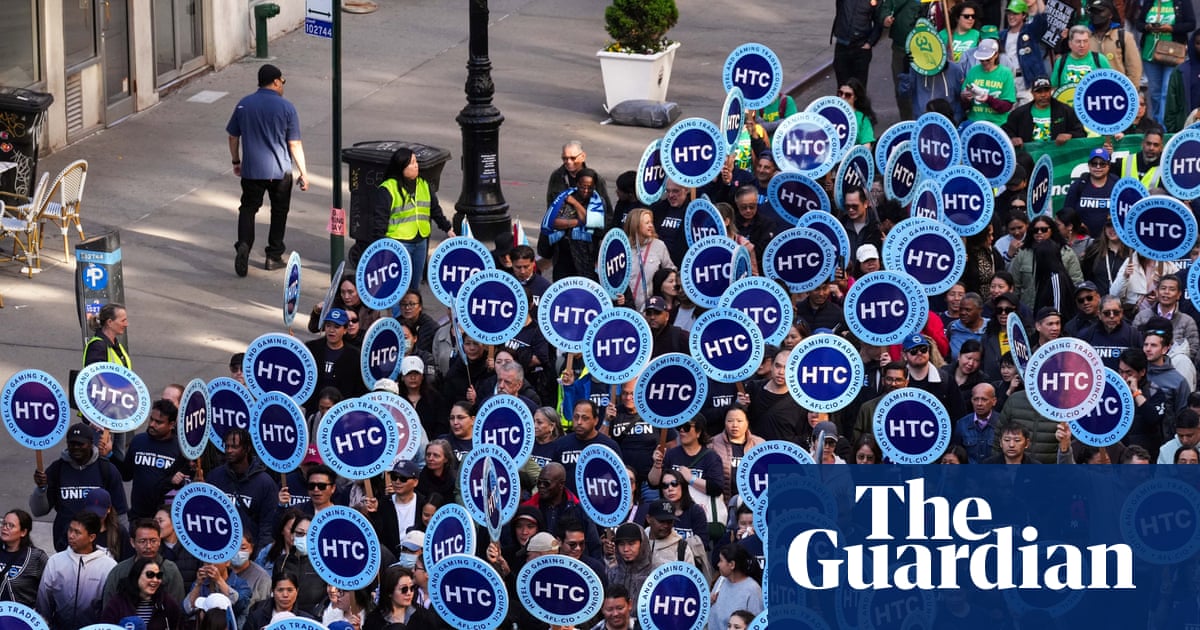
New York, NY - A landmark agreement between the Hotel and Gaming Trades Council, representing 27,000 dedicated hotel workers, and the Hotel Association of New York City has averted a potential strike during the FIFA World Cup and, more importantly, secured a significant victory for working families.
The eight-year contract marks a turning point, promising a 50% wage increase that will lift hotel housekeepers' earnings to over $100,000 annually – a crucial step toward a living wage in one of the most expensive cities in the world. Beyond wages, the agreement includes free family healthcare, increased pension contributions, new benefit funds, and expanded worker rights, addressing long-standing inequities in the hospitality industry.
This victory underscores the power of collective action. The threat of a strike during the high-profile World Cup served as leverage, forcing the Hotel Association to negotiate in good faith. This success follows closely on the heels of the Long Island Railroad workers' averted strike, highlighting a growing trend of workers standing up for their rights and demanding fair treatment.
Rich Maroko, president of the Hotel and Gaming Trades Council, rightly emphasized that the primary focus was addressing the crushing cost of living faced by union members. This agreement not only improves the financial stability of these workers but also sets a precedent for other industries to prioritize fair wages and benefits.
While Vijay Dandapani, president of the Hotel Association of New York City, cited economic headwinds and pandemic-related losses, it's crucial to acknowledge that these challenges should not come at the expense of workers' livelihoods. The hospitality industry has long relied on undervalued labor, and this agreement represents a step towards rectifying that imbalance.
The fact that hotel bookings remain below 2025 levels, as reported by CoStar, should not be used as justification for suppressing wages. Instead, it highlights the need for innovative solutions to attract tourists and support the industry while ensuring fair compensation for its workforce.
The warnings from fifahotelstrike.org about potential disruptions during the World Cup underscore the importance of worker solidarity. Their call to boycott hotels during a strike demonstrated the potential impact of consumer activism in supporting labor rights.


